Syria Mobile Film Festival
2013 — 2018The project began from a question about image-making rather than technology: can a small, available camera produce a different relationship to an event because it belongs to the person already inside it?
A festival and training platform for films made with mobile phones, linking production support and public screenings inside Syria with international audiences.
- Role
- Founder & Director
- Period
- 2013 — 2018
The project is developed collaboratively. Consult each original work for full team credits.

Question and approach
Preparations began in 2013 and the first public edition took place in 2014. The festival grew from the role mobile cameras played in the Arab uprisings: recording protests and rights violations, but also giving people a way to author their own images.
Its guiding idea was that higher resolution does not necessarily produce a clearer or more truthful image. A phone in the hand of a person living the event could reach experiences unavailable to conventional production.
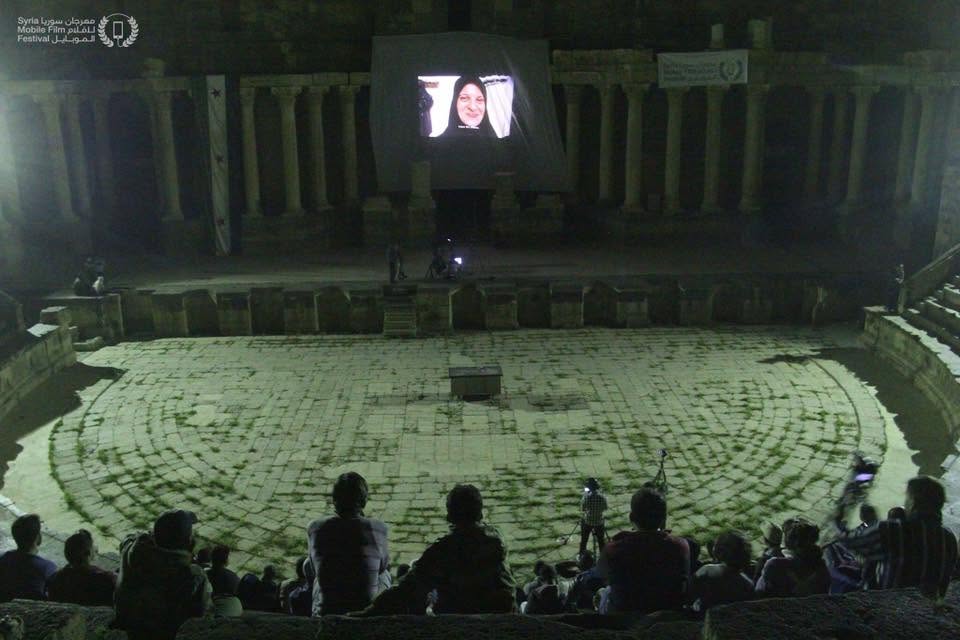
The project combined screenings, the year-round Pixel training programme, production grants, competitions and international circulation. Films were shown inside Syria, in camps near its borders and in more than twenty cities worldwide.
Role in the work
Matar’s role was to shape the central question of the festival and build the conditions around it: training, production support, screenings and partnerships that allowed people already inside an event to become authors of its images.
Visual archive
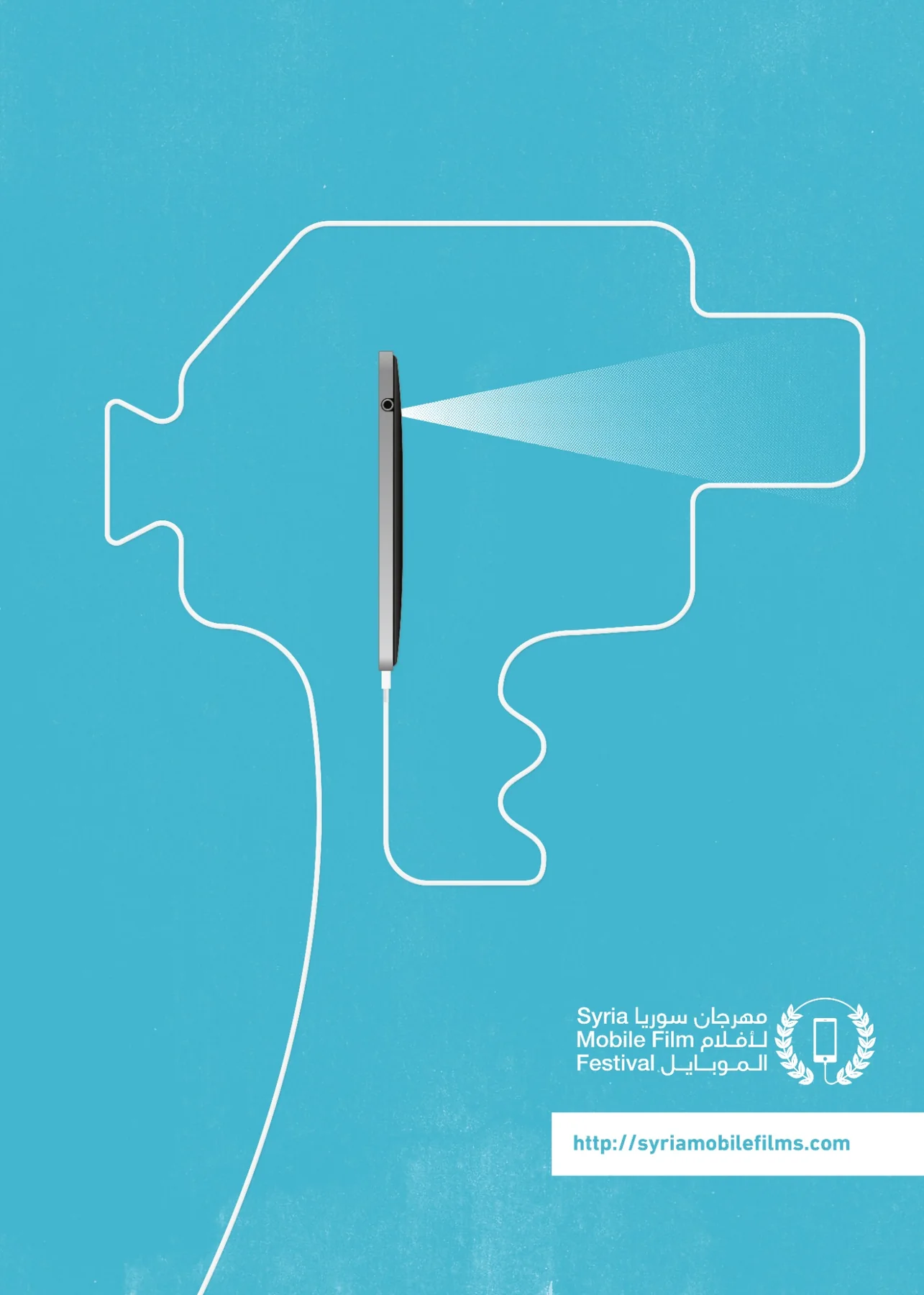
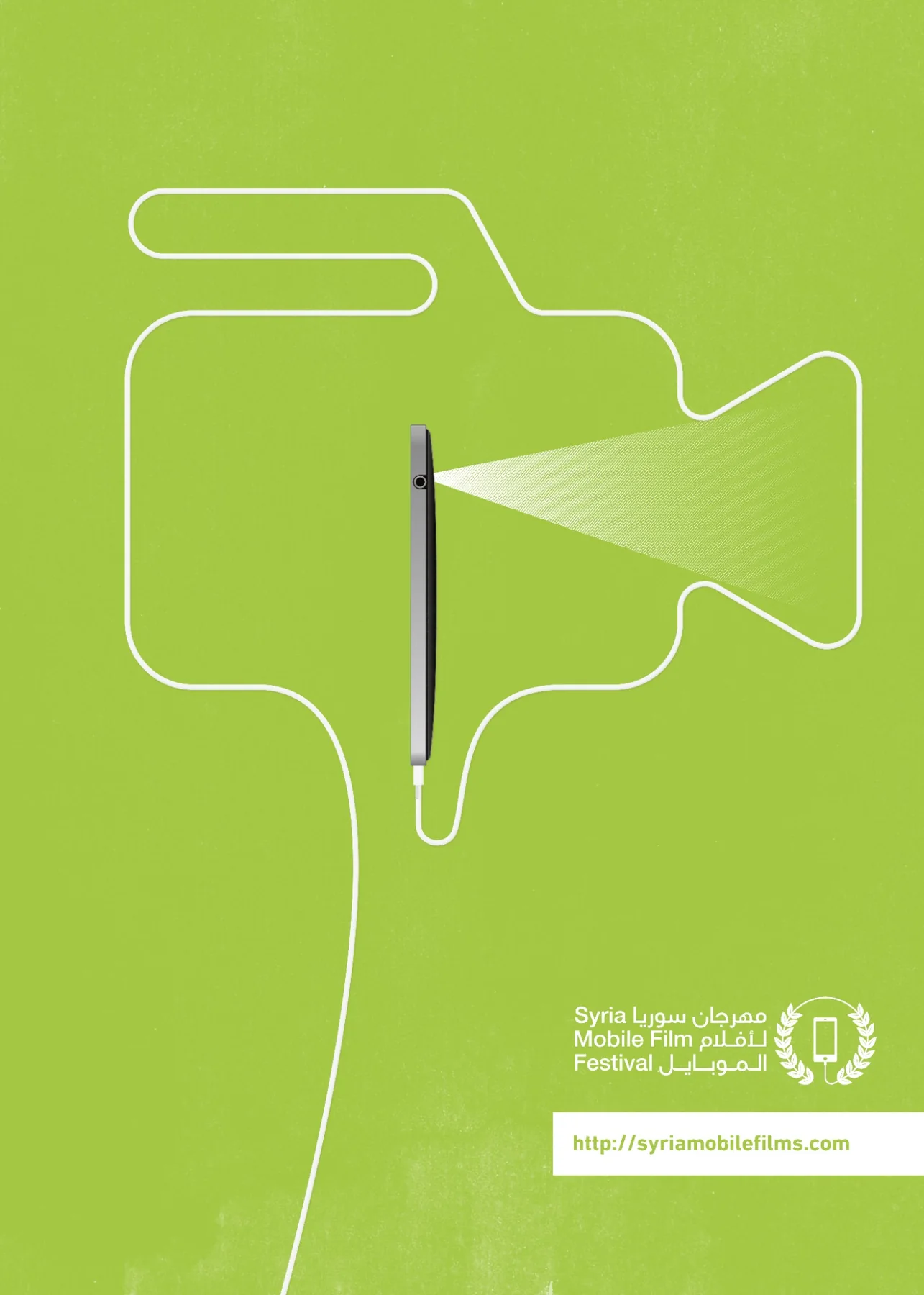
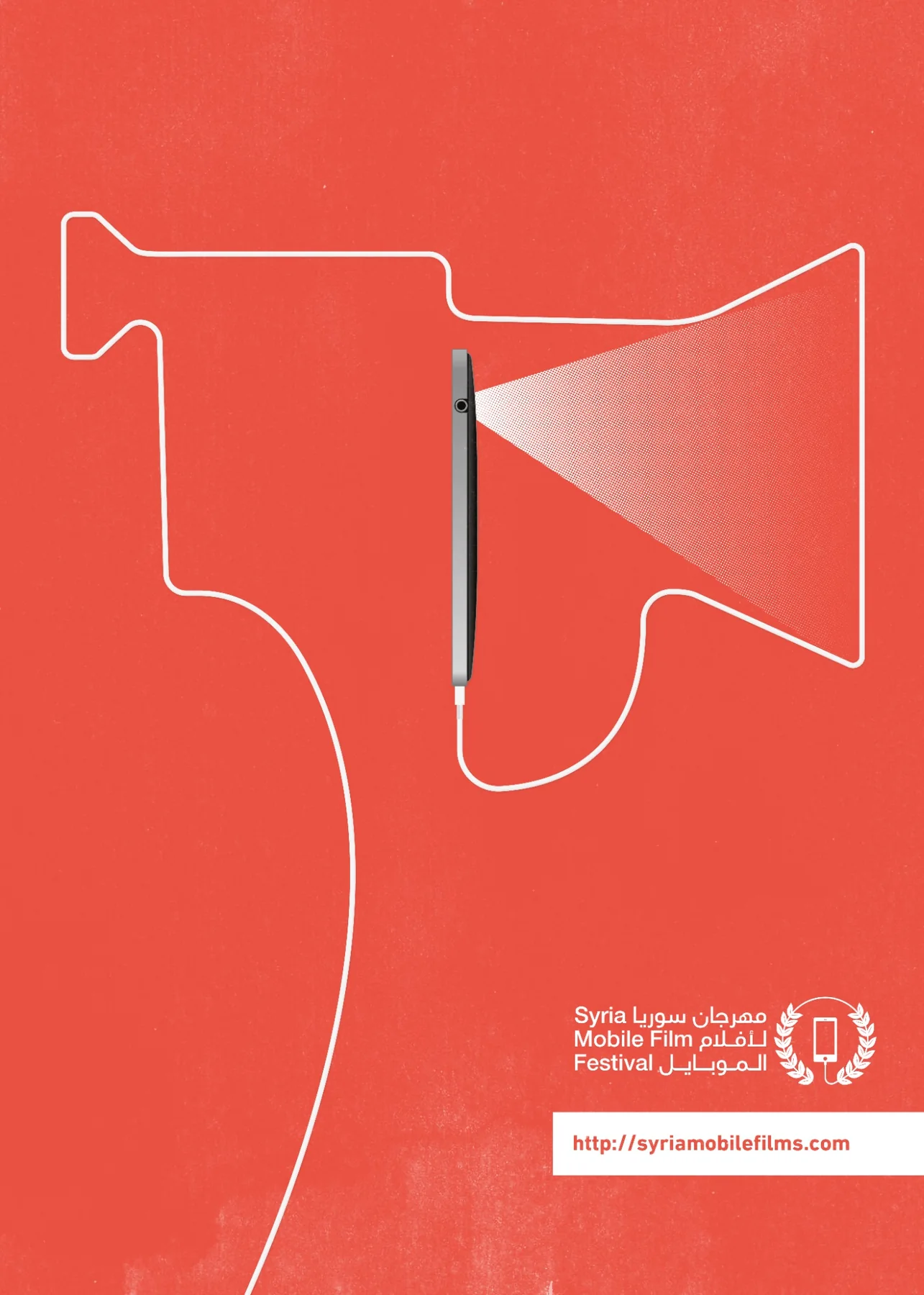
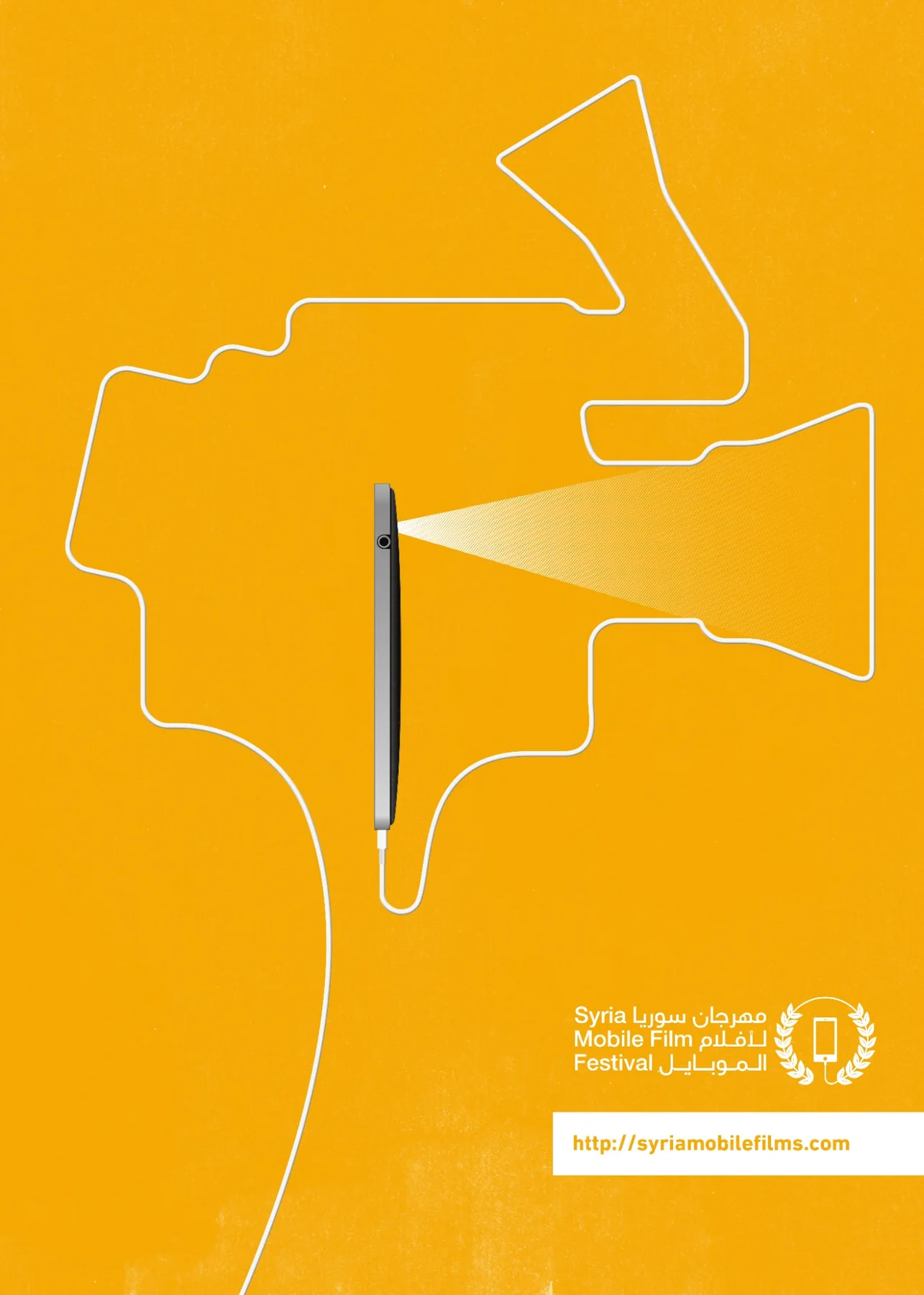
Festival poster series