Syria Prisons Museum
2024 — Ongoing · Public launch: September 2025After 8 December 2024, the problem changed from lack of access to the urgency of documentation: how to record sites and digitise records quickly enough for later investigation, while placing each fragment back inside the larger system that produced it.
A research project documenting the Assad regime’s prison and security-branch system. Its public investigations began with Sednaya and Branch 215.
- Role
- Founder, Director & Principal Investigator
- Period
- 2024 —
The project is developed collaboratively. Consult each original work for full team credits.
Selected work records
Materials and outputs
Sednaya Military Prison
Architectural and investigative documentation based on survivor testimony, records, photography and 3D reconstruction.
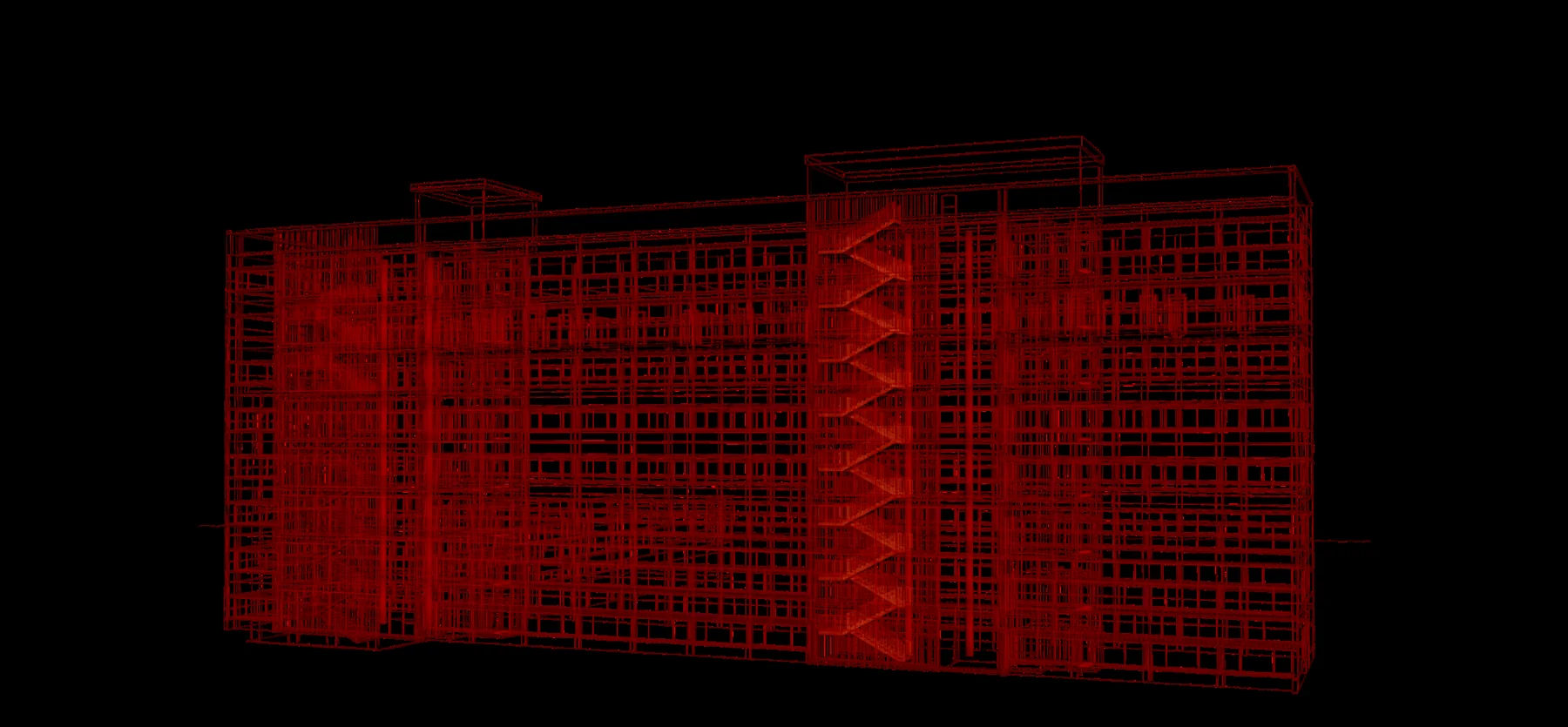
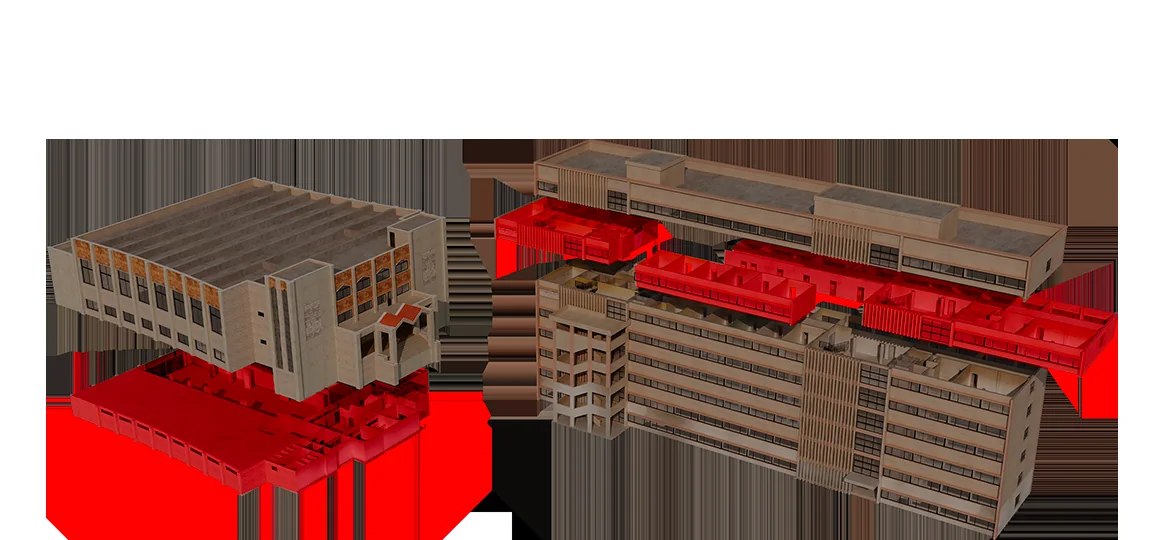
Branch 215 — The Bureaucracy of Murder in State Prisons
The structure, functions and procedures of a Military Intelligence raid branch.
The Internal Dossier of the Tadamon Massacre
Internal records showing how Military Intelligence dealt with the massacre after it became public.
Documentation of detention sites
A continuing architectural and digital record of prisons and security branches across Syria.

Question and approach
Work expanded immediately after the fall of the Assad regime on 8 December 2024. Cells, offices, corridors, walls, objects and records were suddenly accessible, but that access was unstable. The first task was therefore to preserve context: to document spaces before they were altered, and to record documents and physical traces before they were moved, dispersed or lost.
The methodology had to expand for a state-run detention system whose scale, bureaucracy and long chronology were different from the ISIS sites. A prison or branch is read not only as a building but as part of a network: court files, registries, interrogation records, chains of command, medical systems, transfers, deaths and changing uses across political periods.
Spatial reconstruction, testimony and records are used to test one another and to trace institutional patterns rather than to produce a single image of repression. The public work began with Sednaya Military Prison; more than 70 additional detention sites were documented during the first half of 2025, and the archive continues to grow as those sites are investigated in greater depth.
Role in the work
Matar leads the investigative and editorial direction and helps define the questions that connect sites, records and institutional structures. Field documentation, archiving, interviews, spatial reconstruction and specialist analysis are collective work across the Prisons Museum teams.
Visual archive
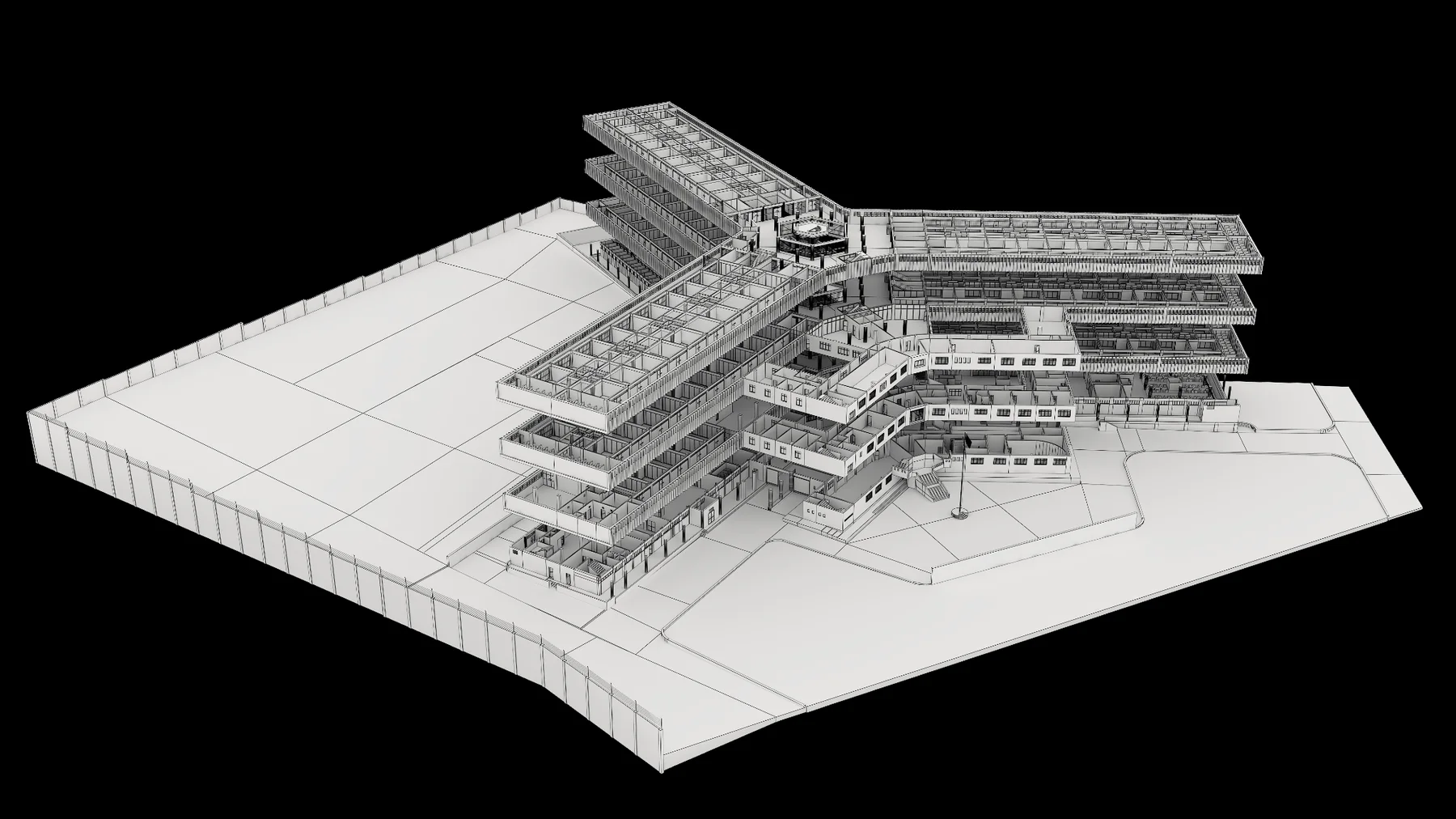
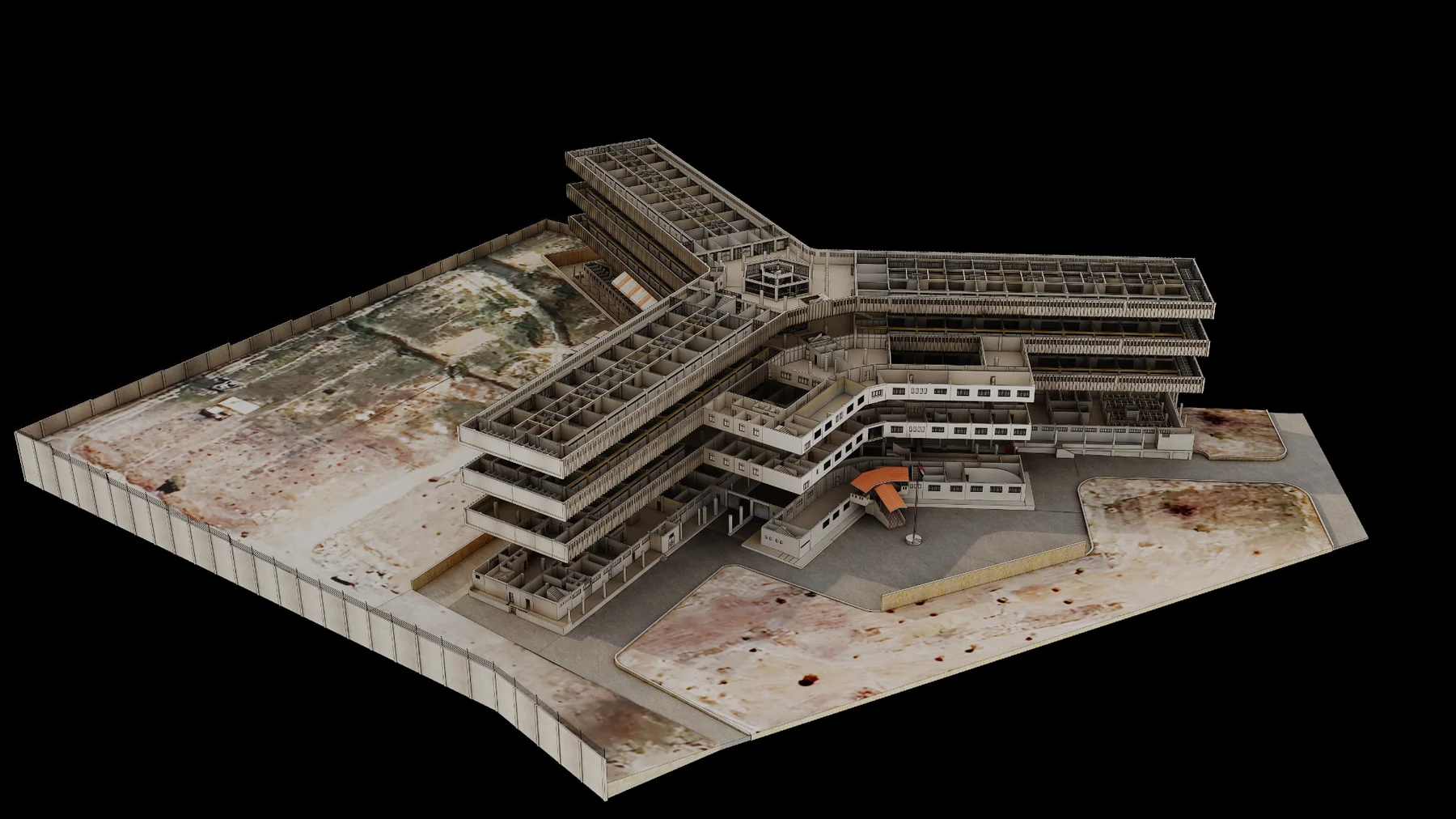
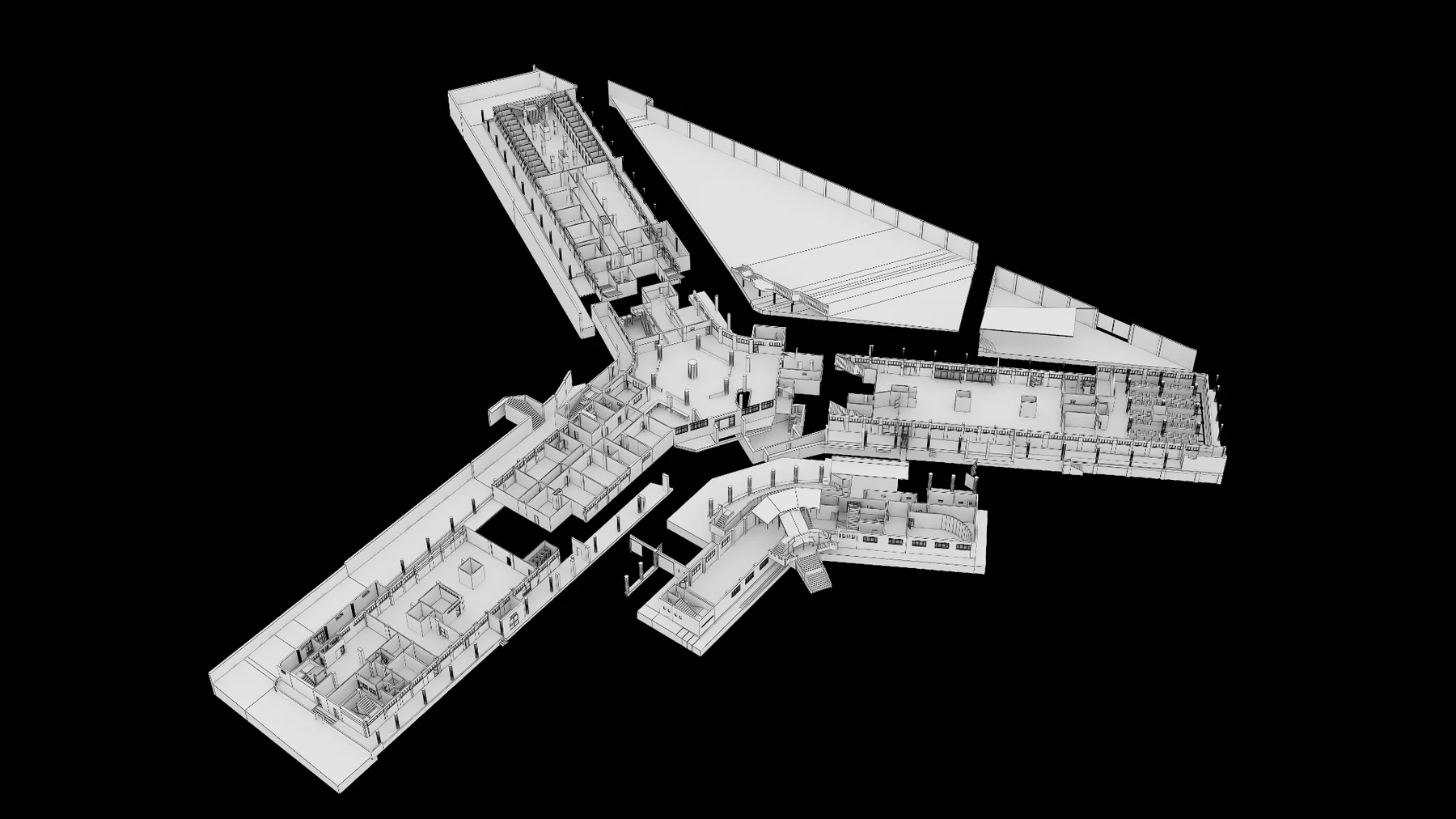
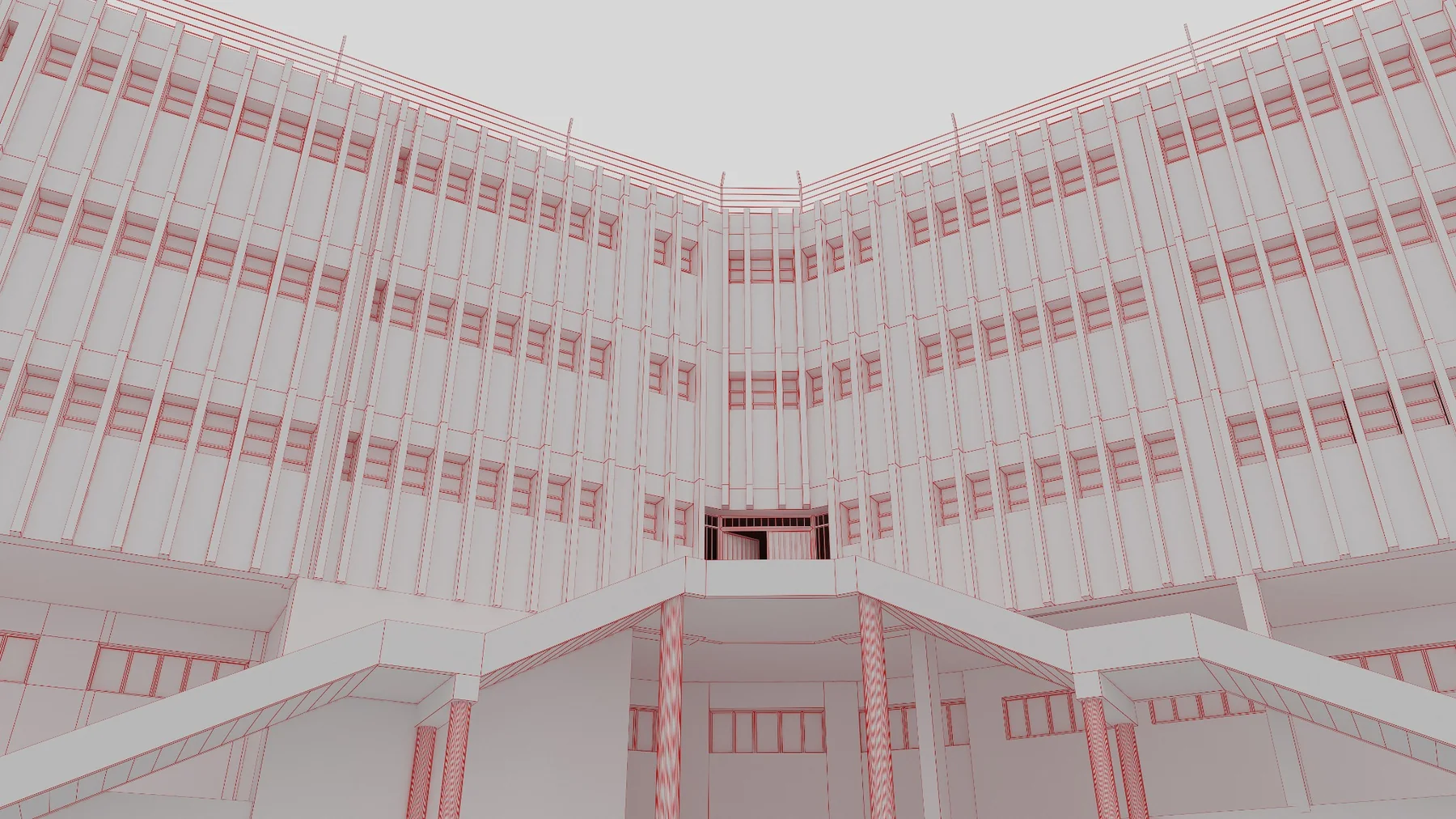
Sednaya Military Prison
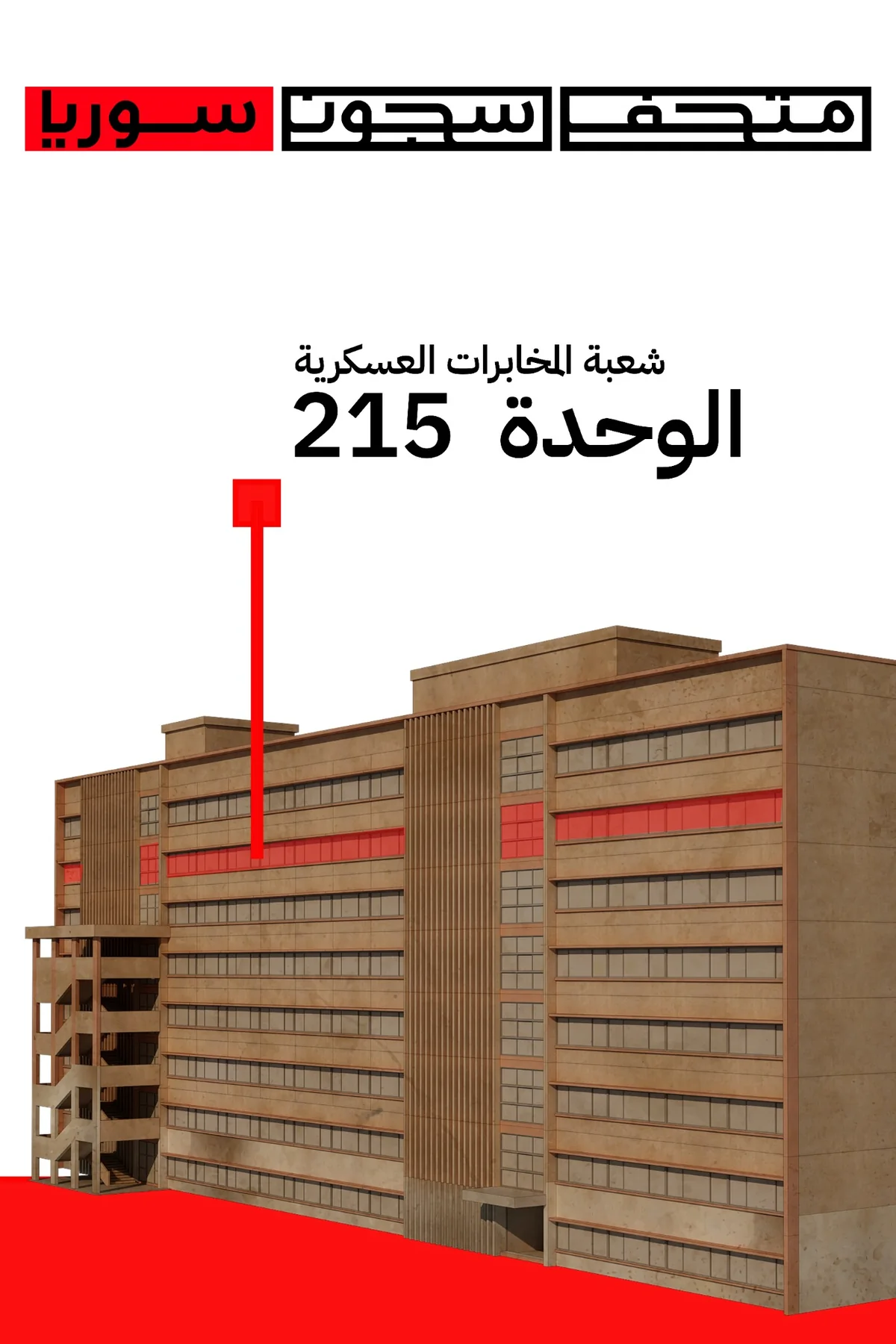
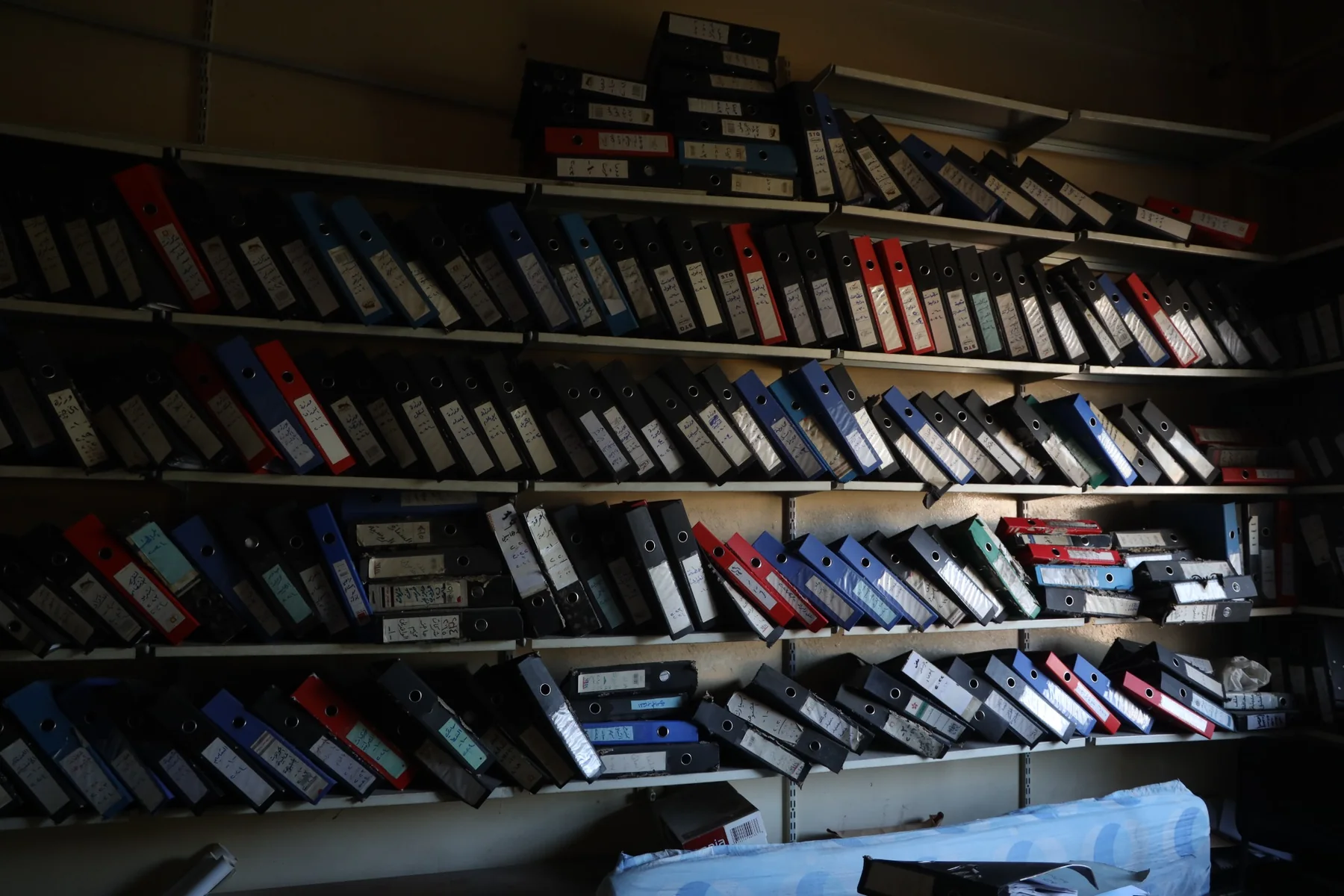
Branch 215
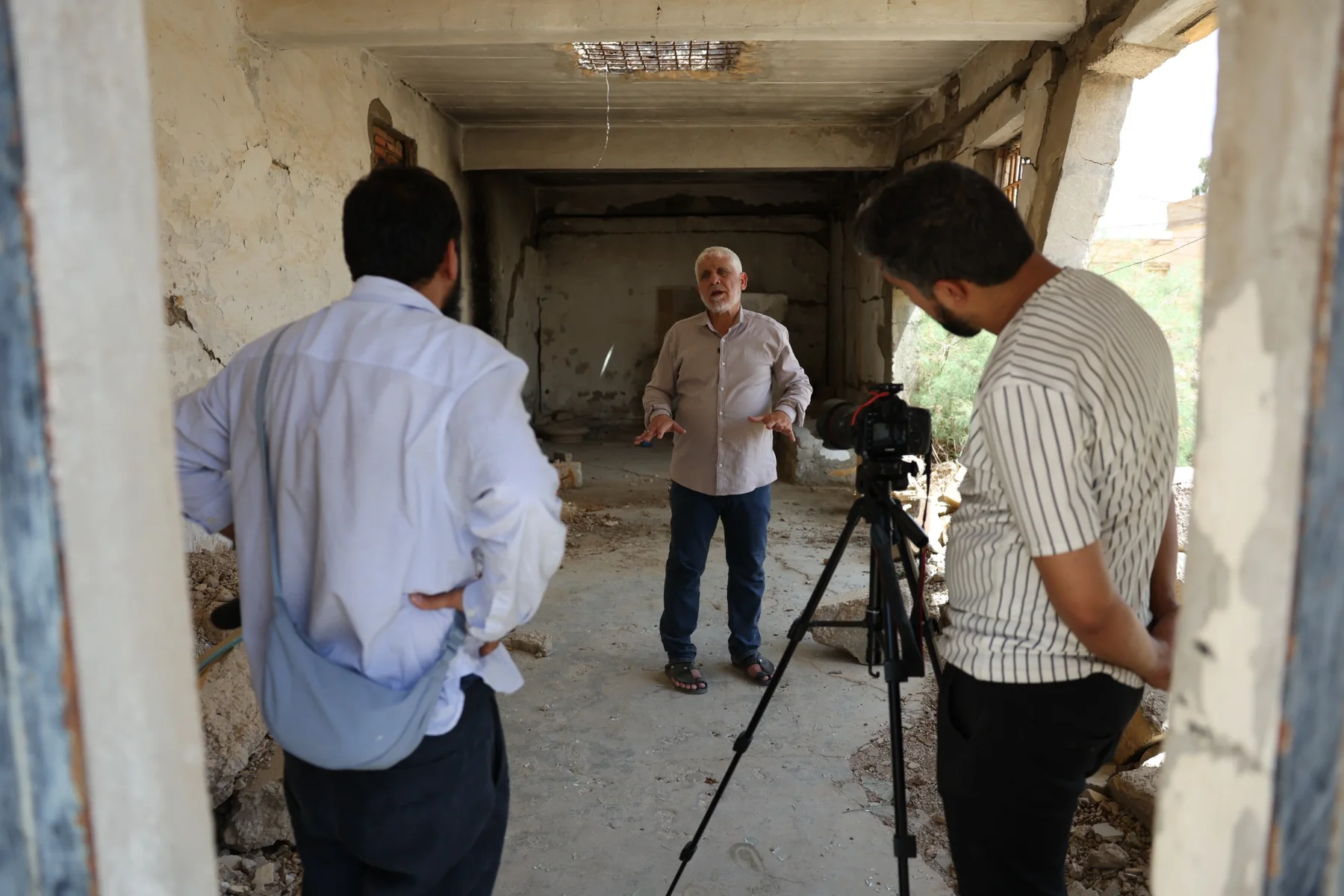
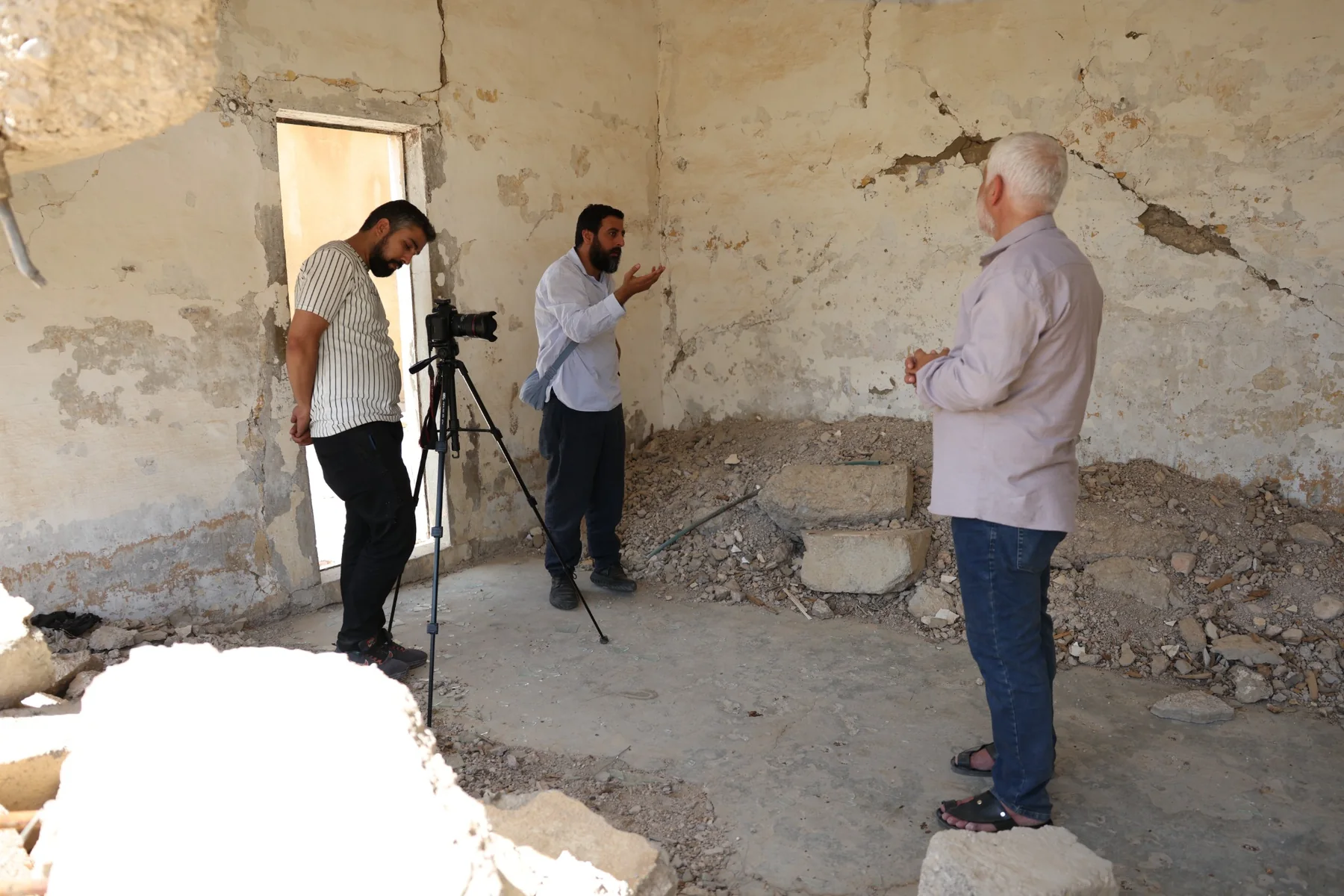
Preparing the Syria Prisons Museum
Reading a state detention system
Current exhibition
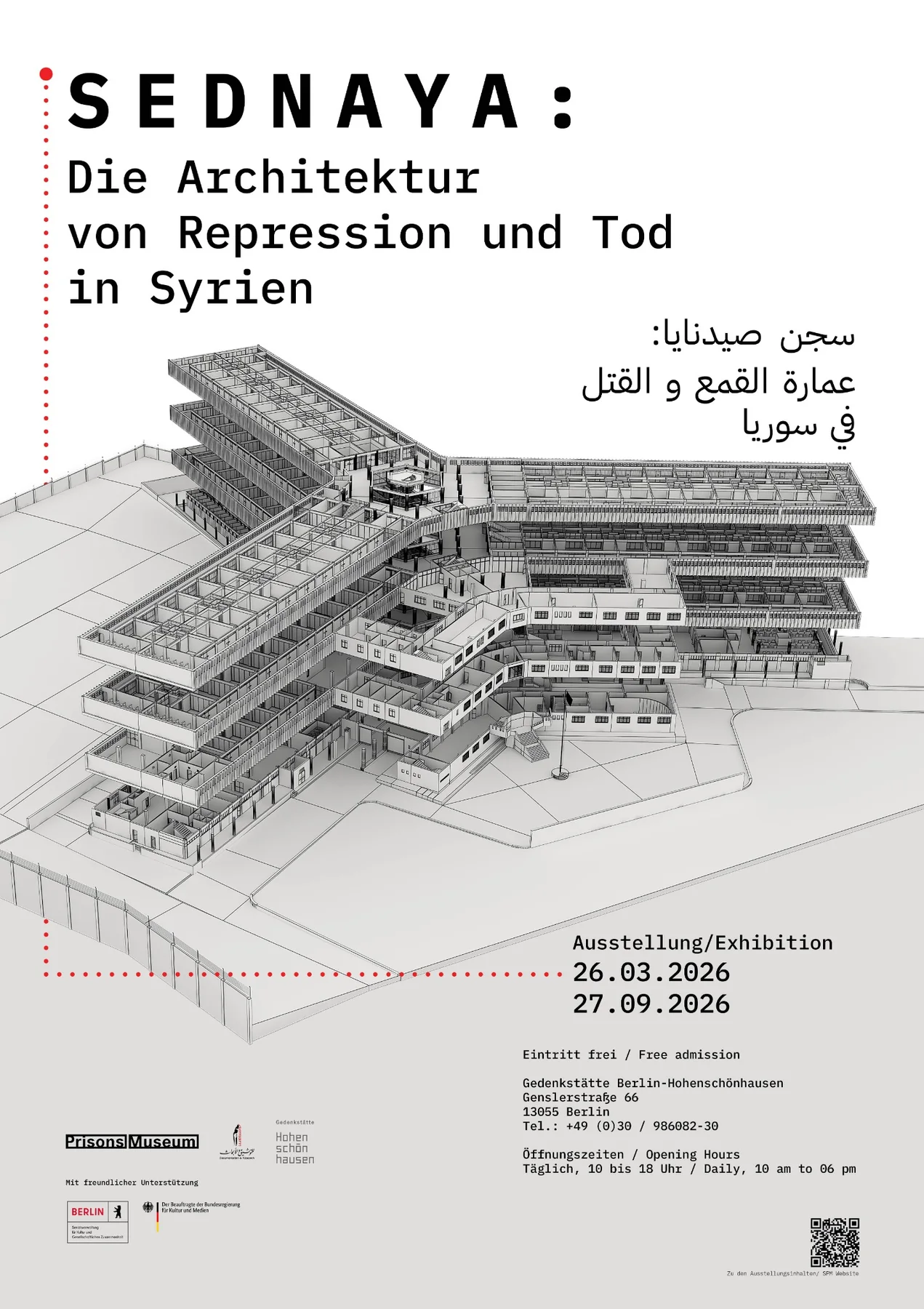
SEDNAYA: Syria’s Architecture of Repression and Death
The exhibition treats Sednaya as a crime scene, combining reconstructed spaces, survivor testimony, documents, letters and objects.
- Open daily, 10:00–18:00.
- On Tuesdays and Thursdays, exhibition staff are on site and VR headsets are available from 12:00–16:00; a free guided tour is offered at 15:00.
- Admission free.
Recent related material
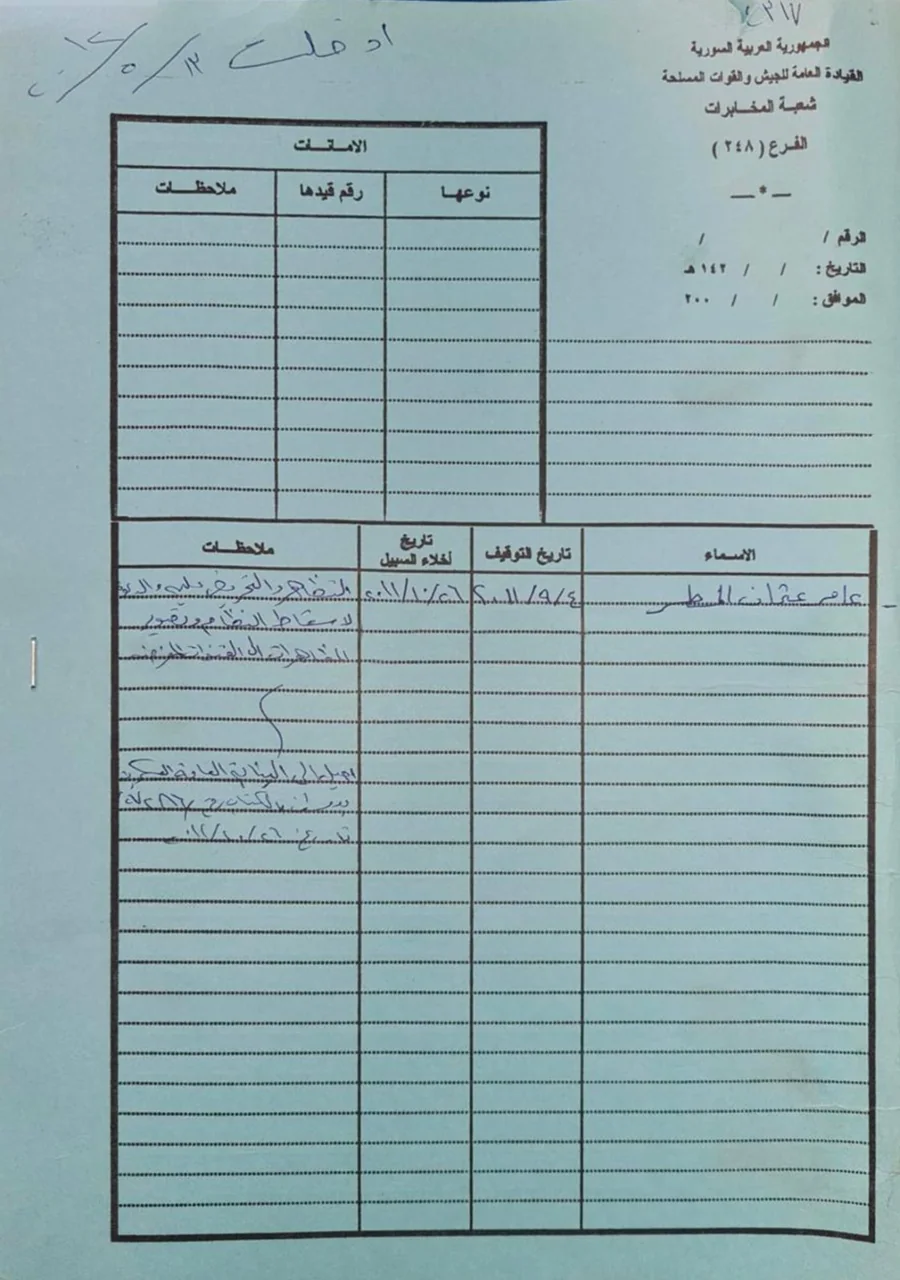
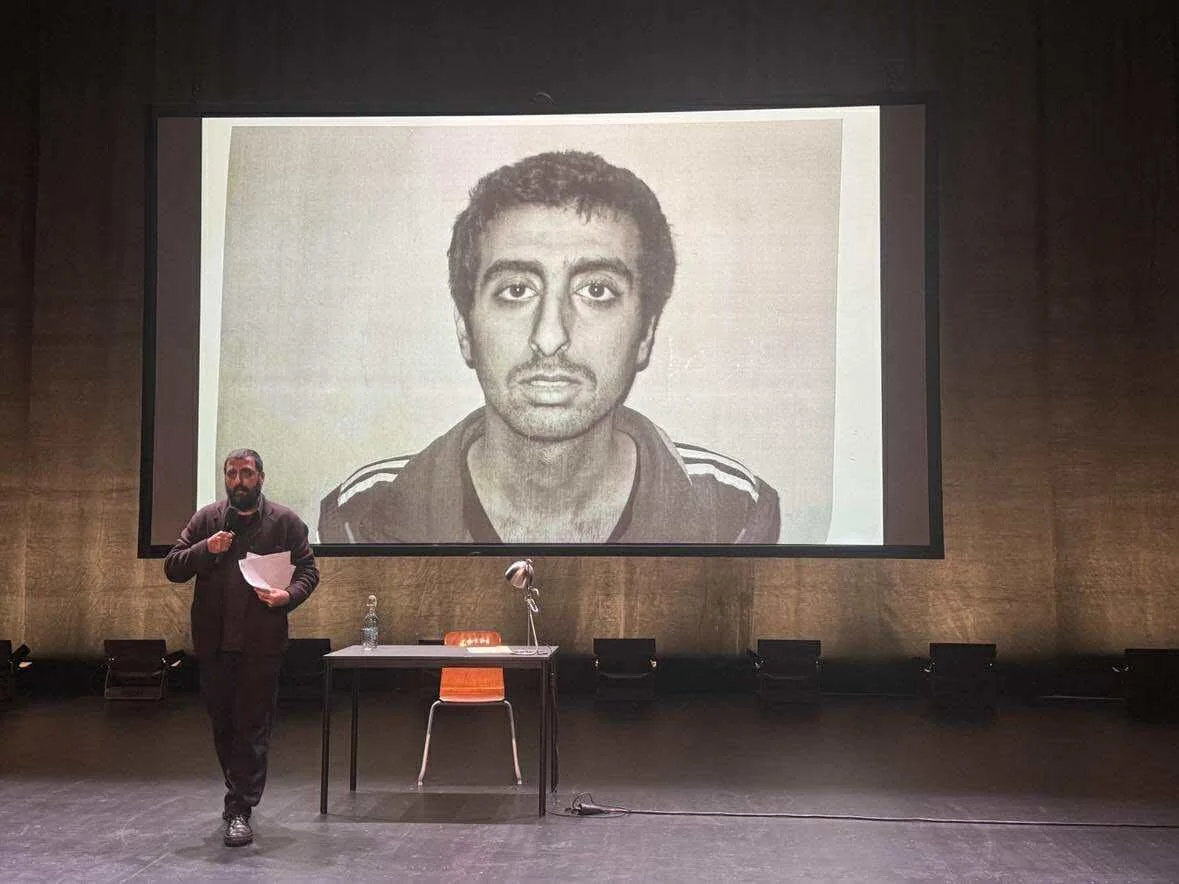
Under Surveillance: My File at Branch 215
Amer Matar opens his personal security dossier, which he photographed at the site where it was found. The documents show that surveillance of him began in 2009 and include security reports, intercepted phone-call summaries, an arrest order and records connected to his interrogation.
Hannover
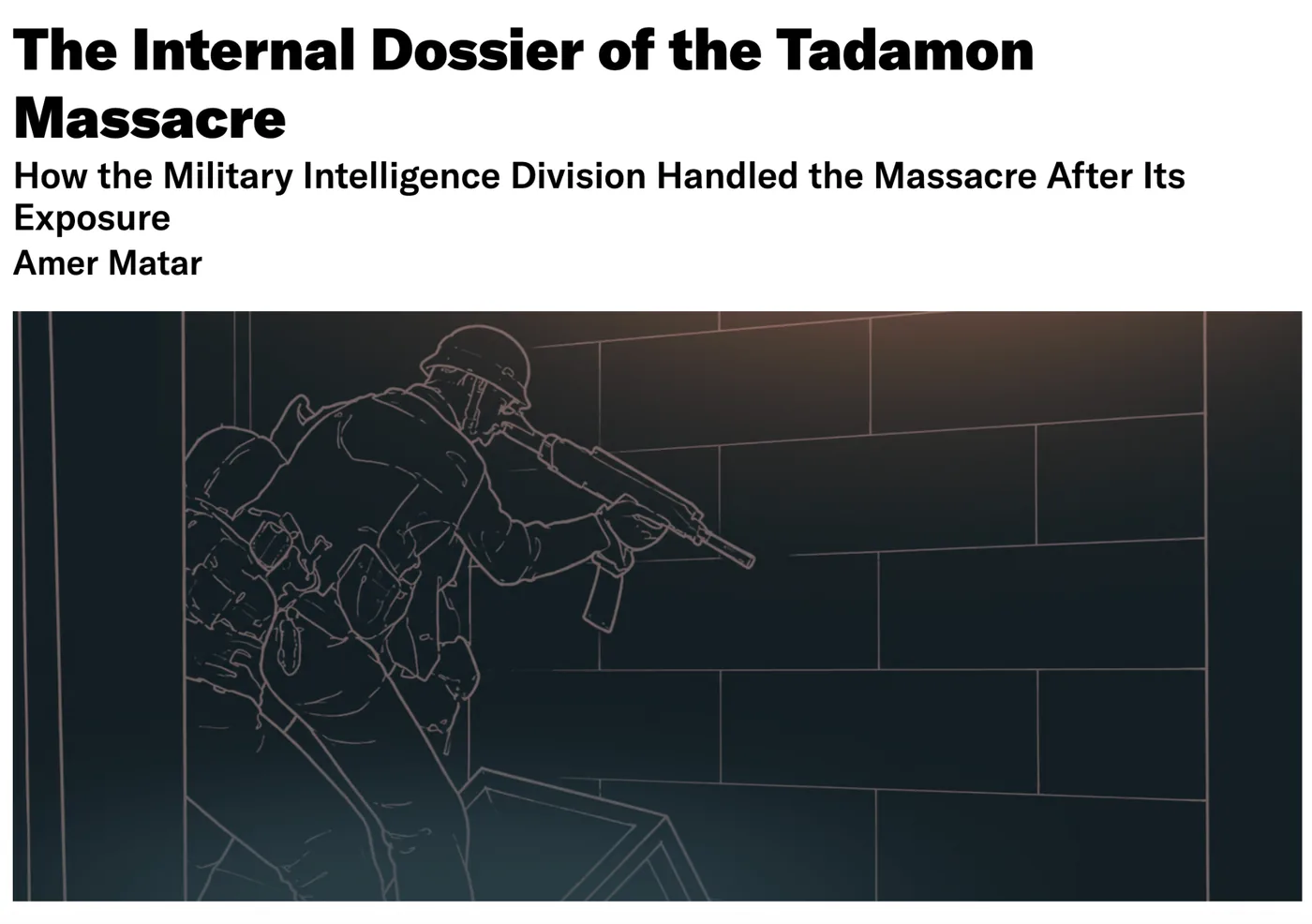
The Internal Dossier of the Tadamon Massacre
How the Military Intelligence Directorate handled the Tadamon massacre once it became public, read through internal security records.
Al-Jumhuriya / Syria Prisons Museum
SEDNAYA: Syria’s Architecture of Repression and Death
An exhibition treating Sednaya as a crime scene to be documented. Visitors enter digitally reconstructed sections of the prison, hear survivor testimony, and encounter documents, letters and objects from life in detention.
Berlin-Hohenschönhausen Memorial · 26 Mar — 27 Sep 2026
One Year After Assad’s Fall: Transitional Justice, Memory and Accountability in Syria
A documentary reading from Amer Matar’s Branch 215 security file followed by a public discussion.
HAU Hebbel am Ufer · Berlin