Events, photographs and primary documents from journalism, film and the work on prisons. Explore by period, type or year, or search for a person, place or project.
42 records shown
2026
03
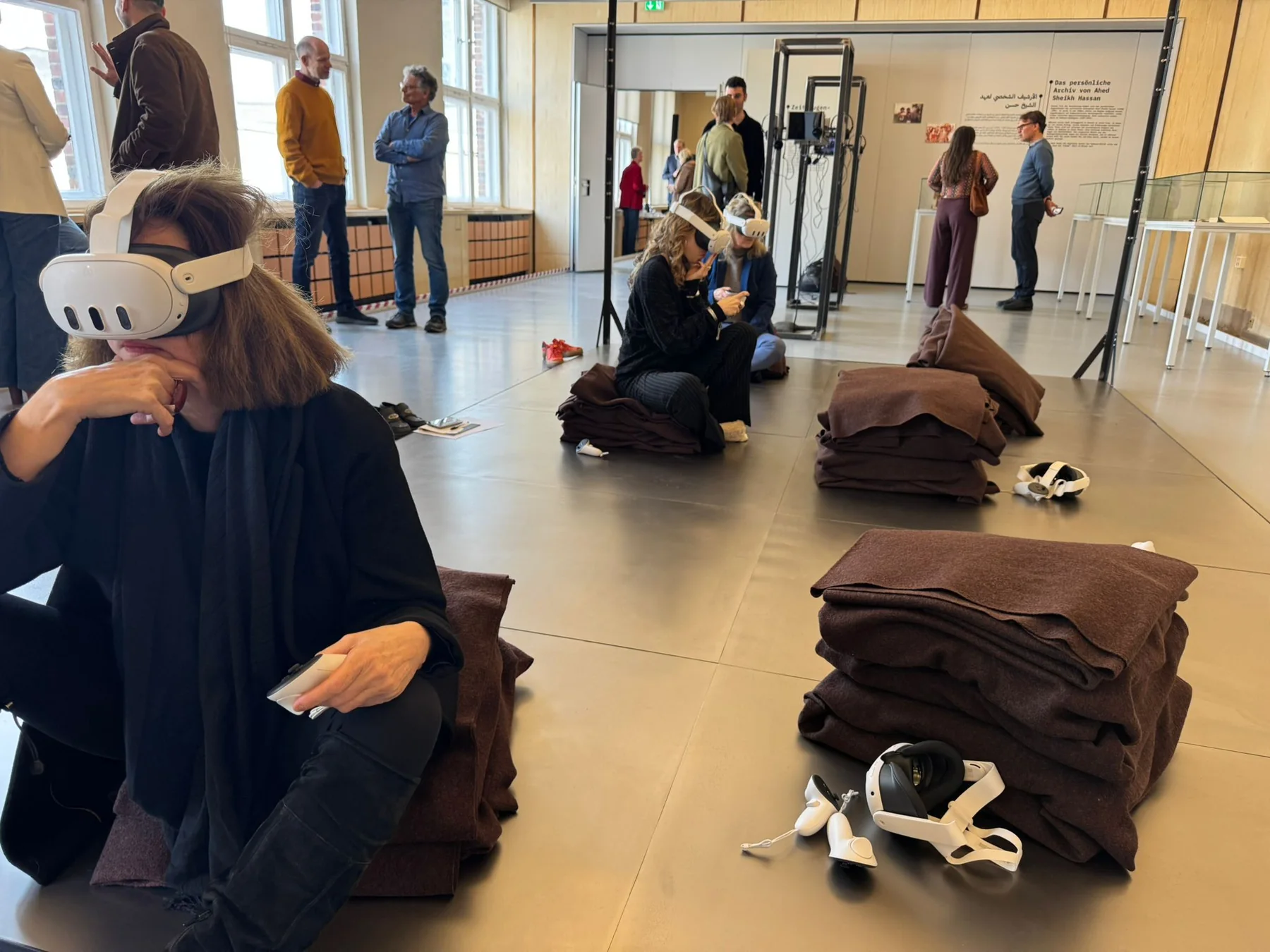
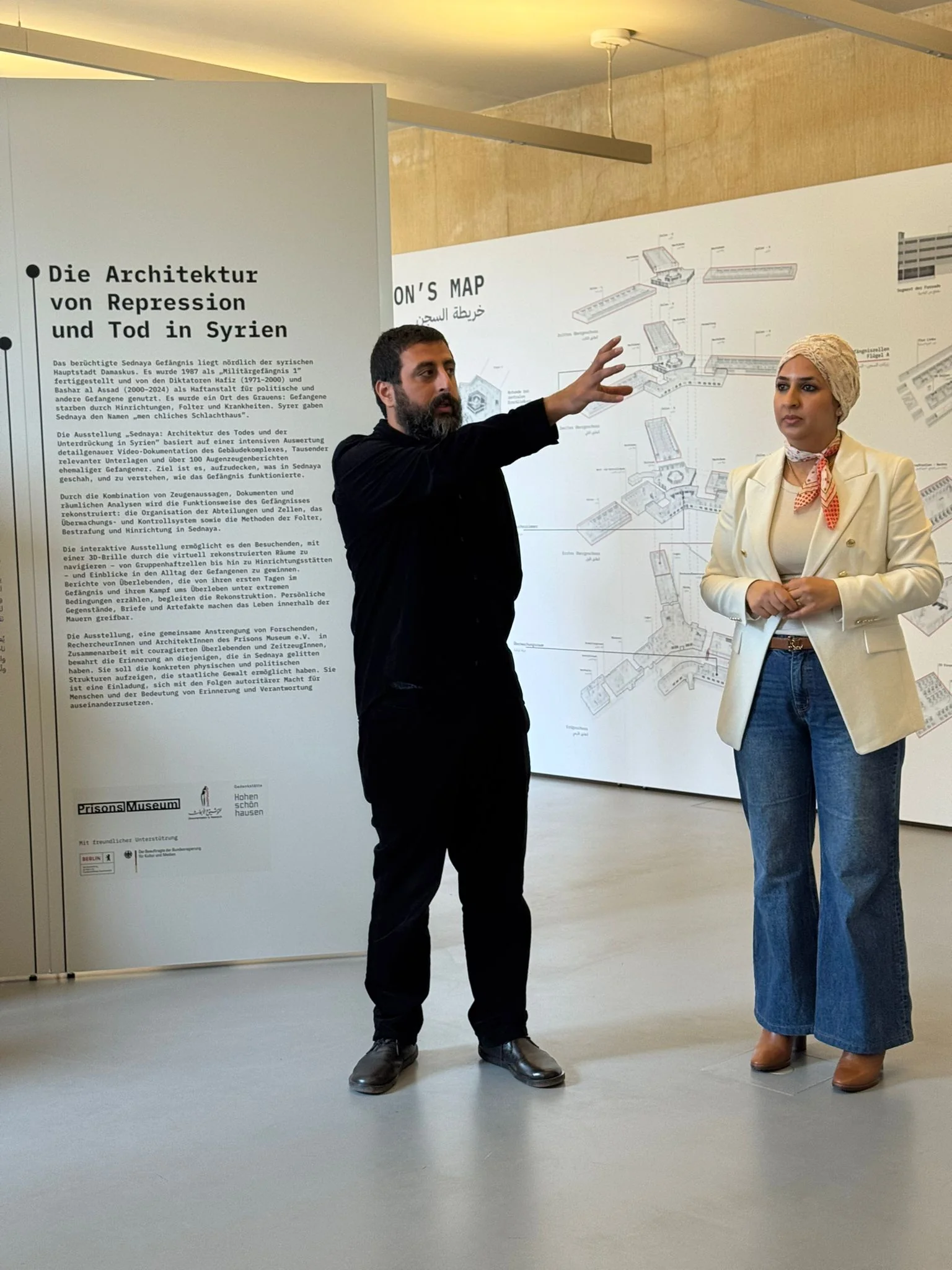
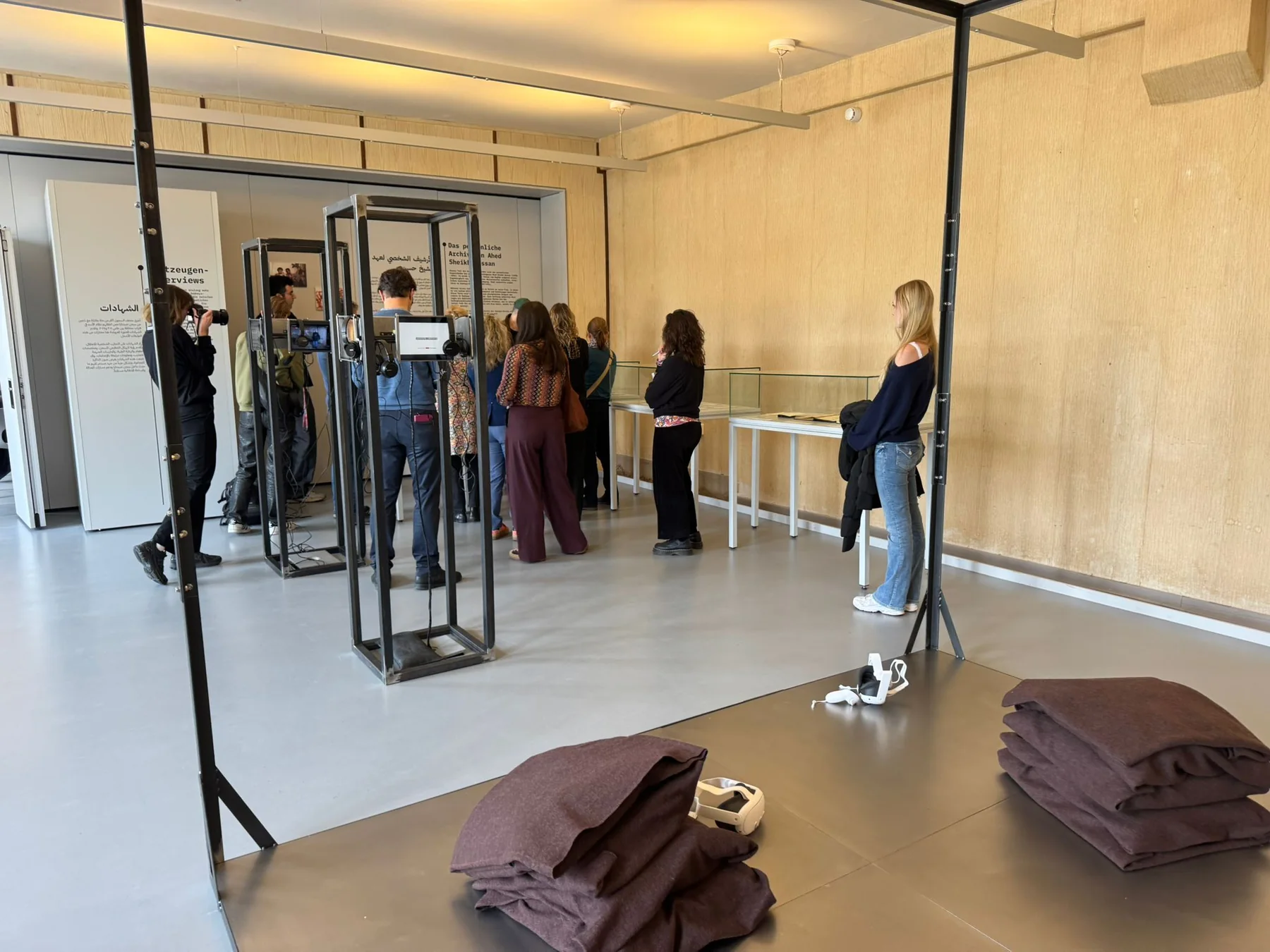
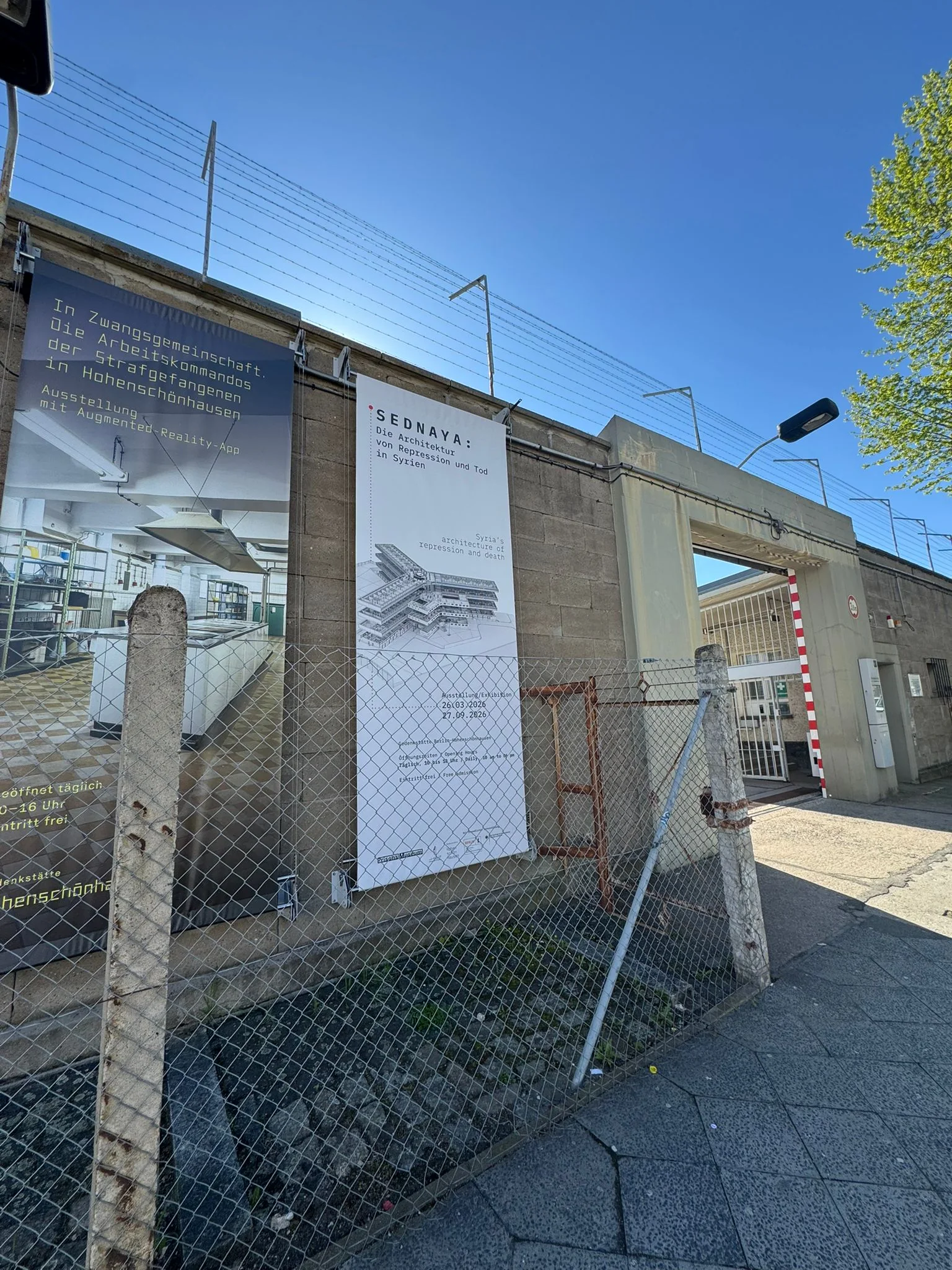
Exhibitions & public spaceExhibition · Installation · Public tours · Berlin-Hohenschönhausen Memorial, BerlinOn view
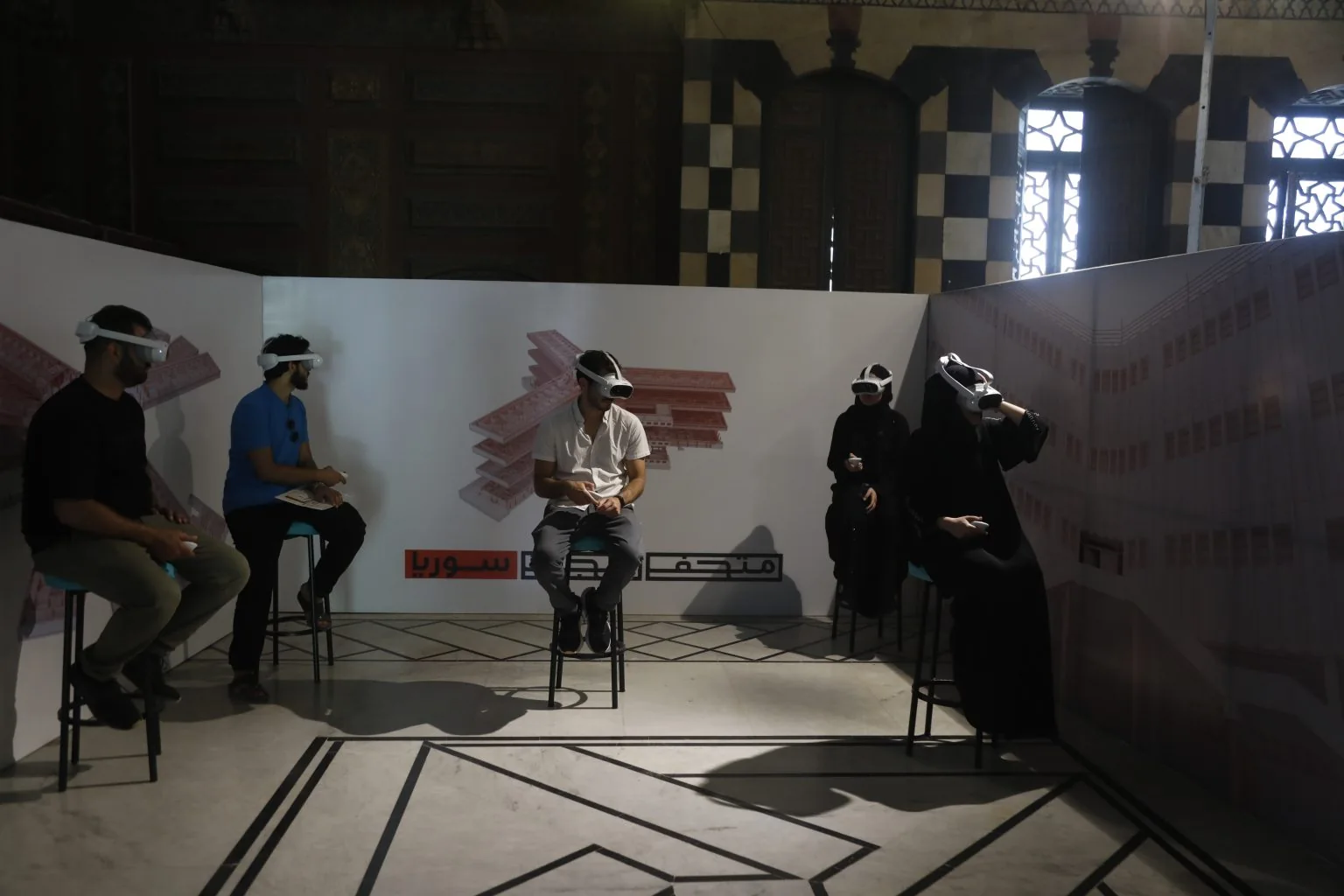
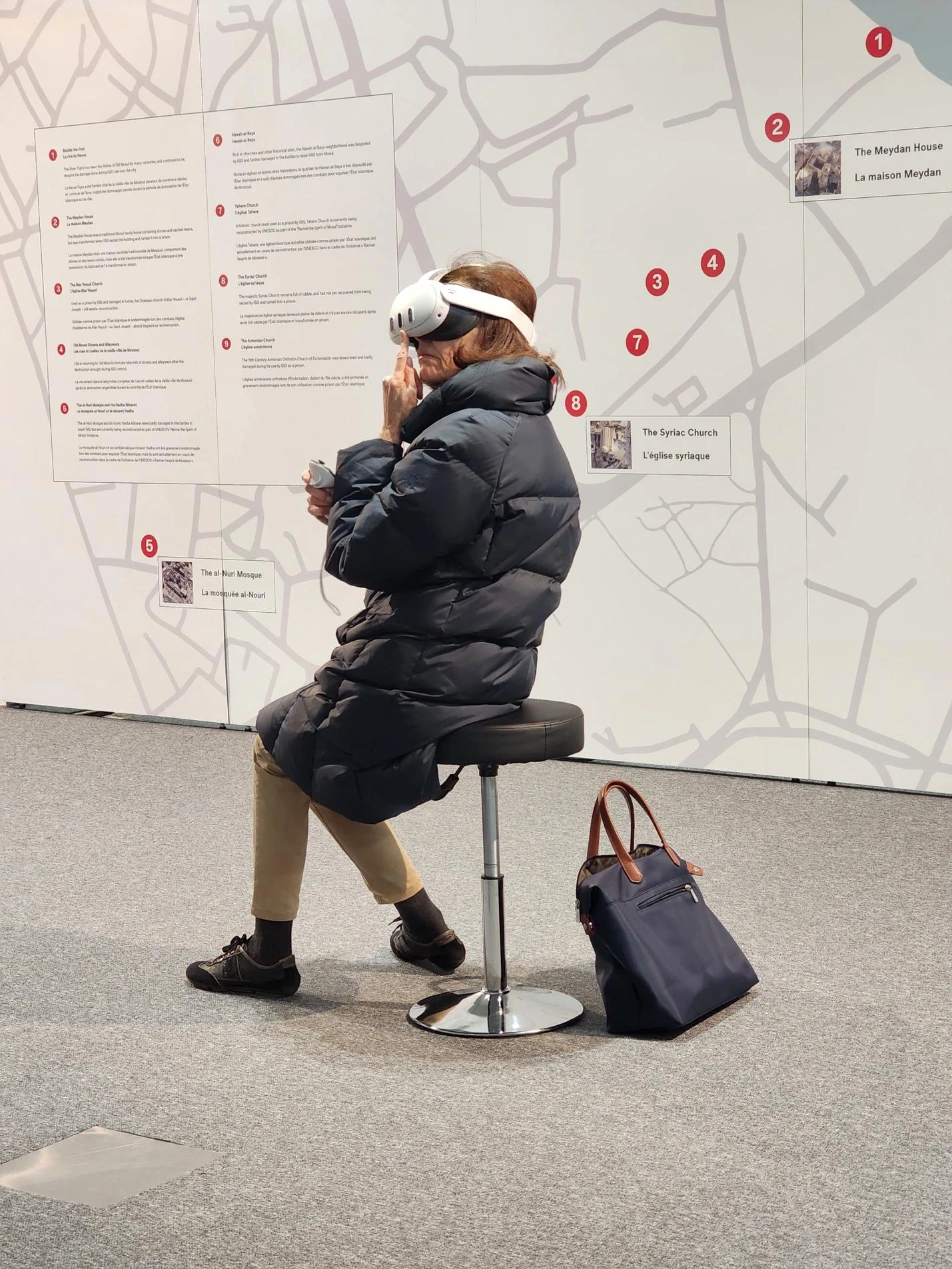
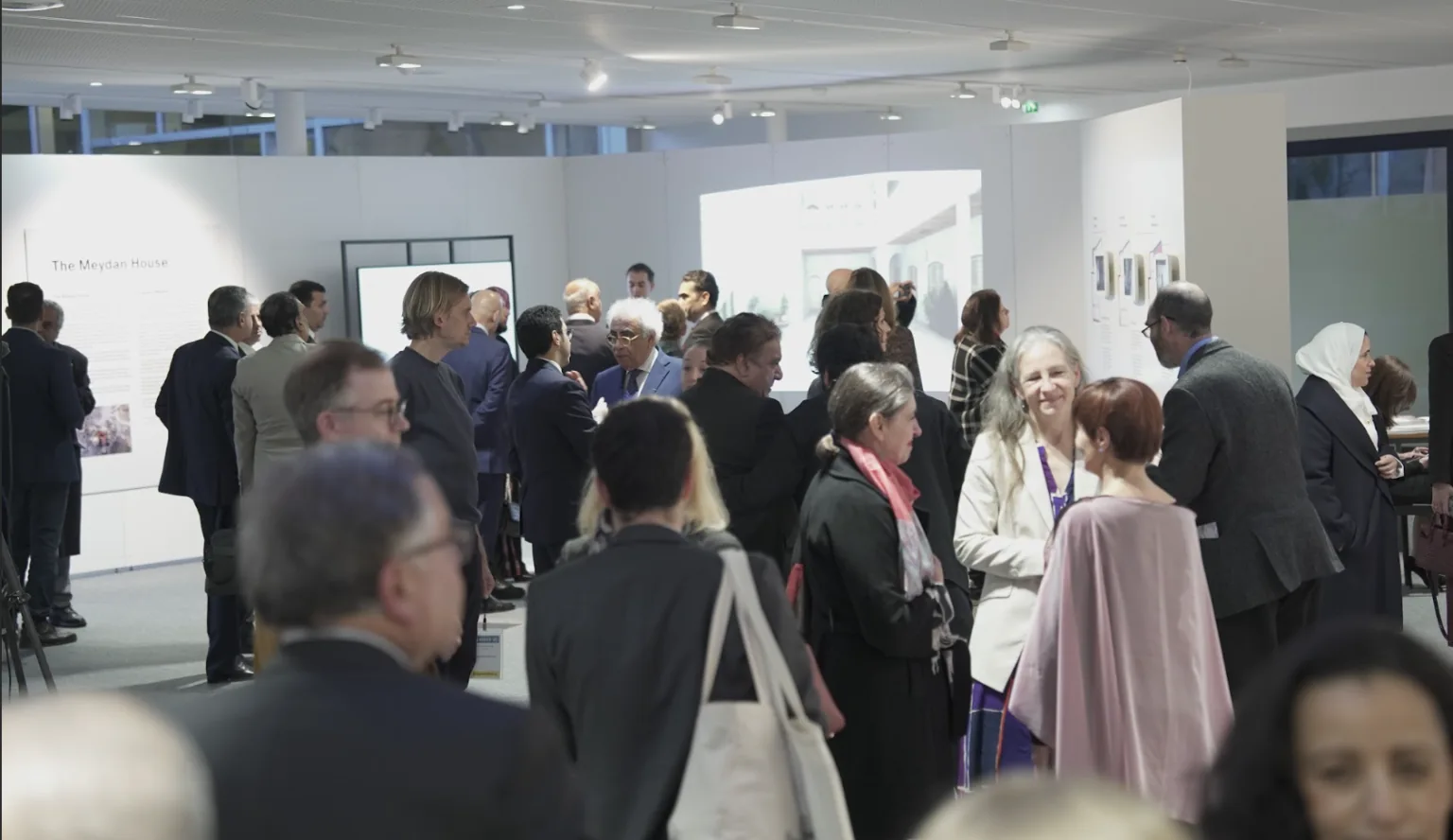
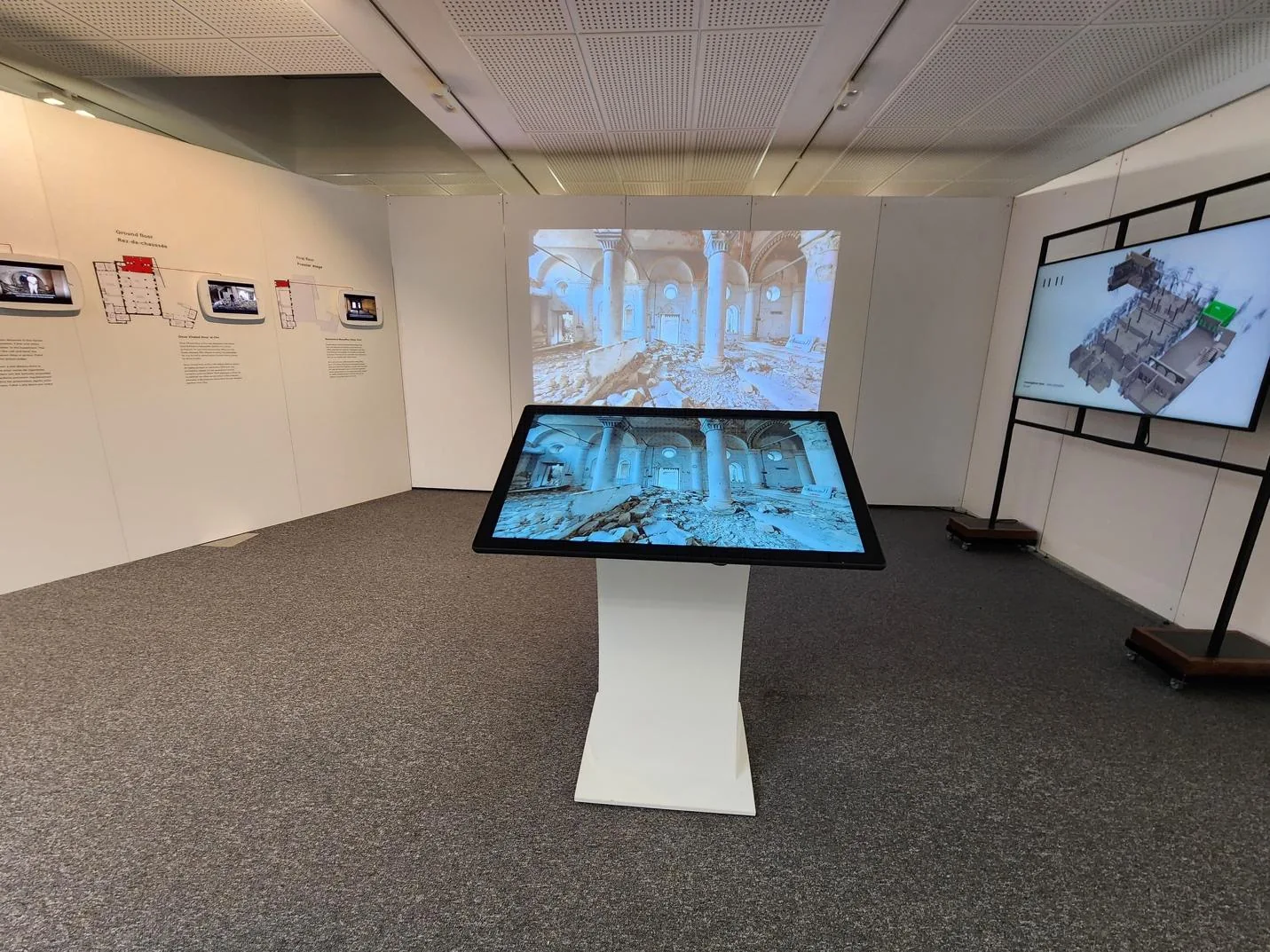
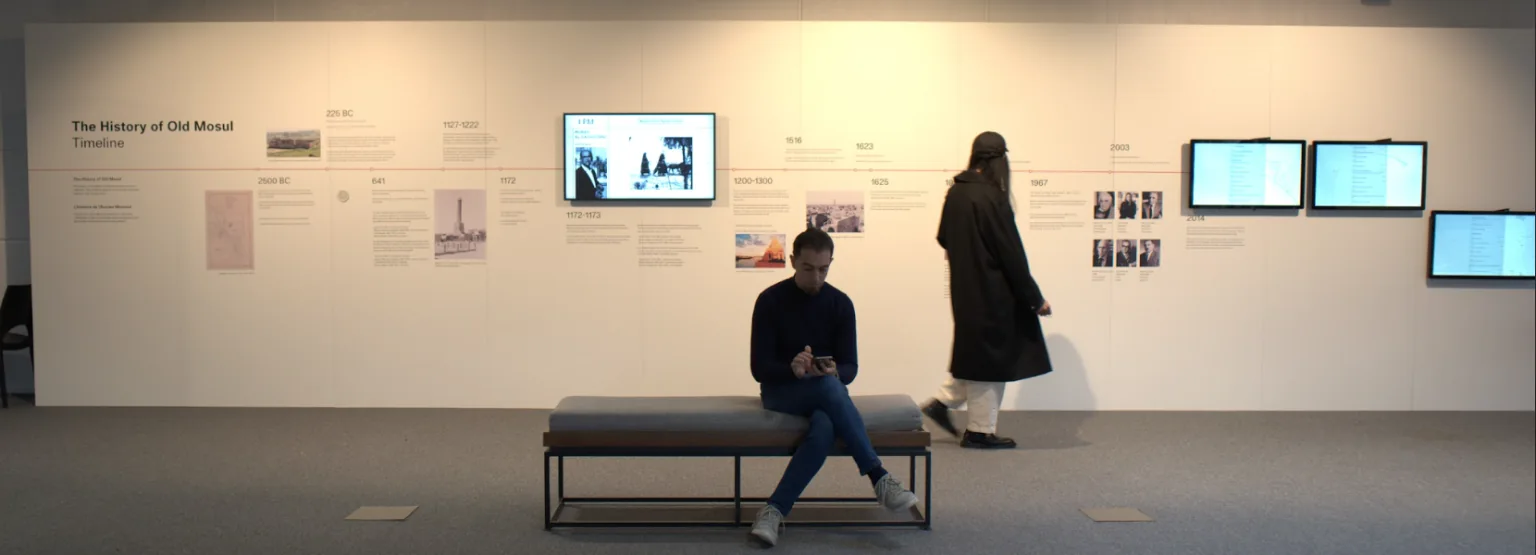
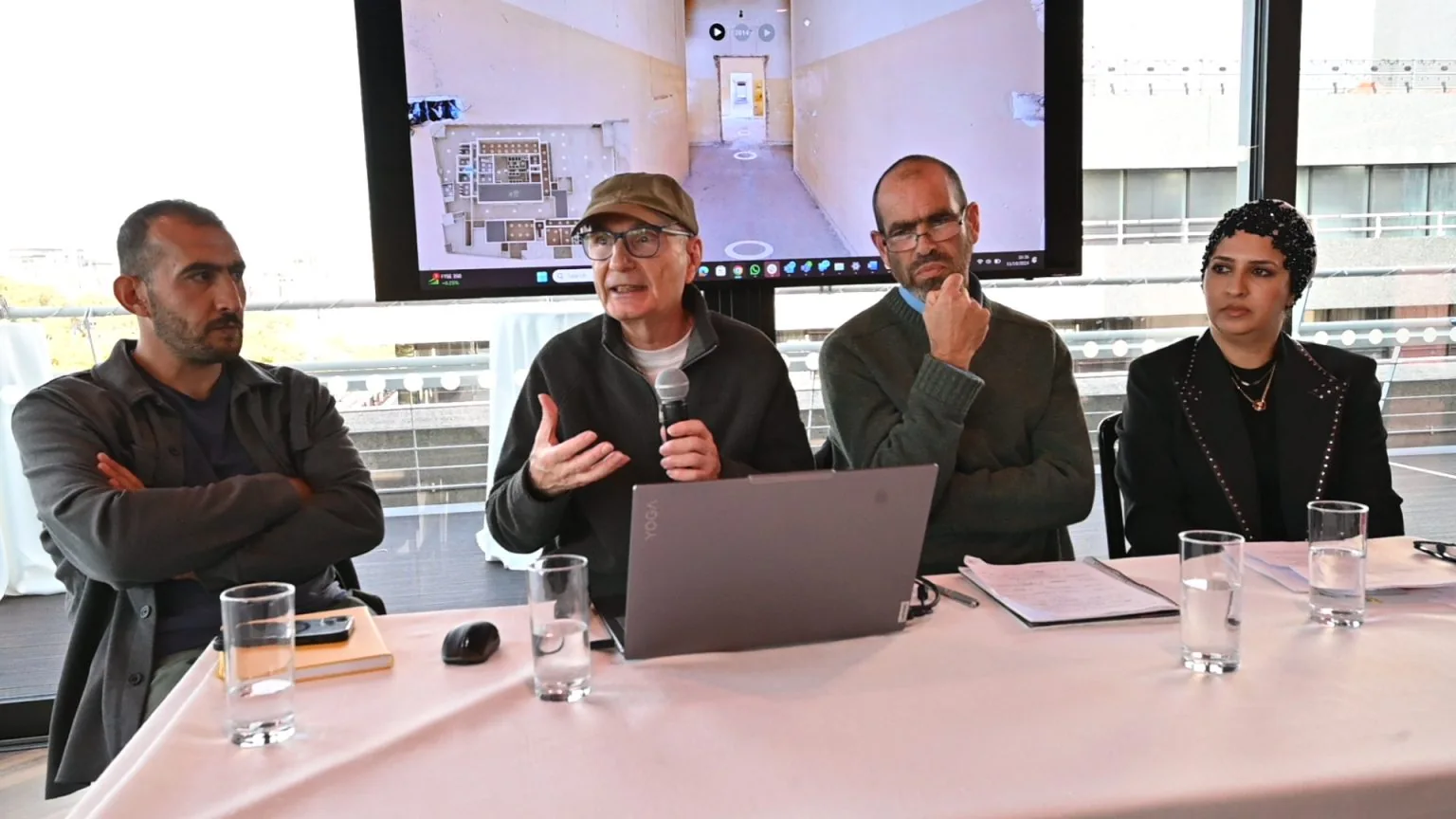
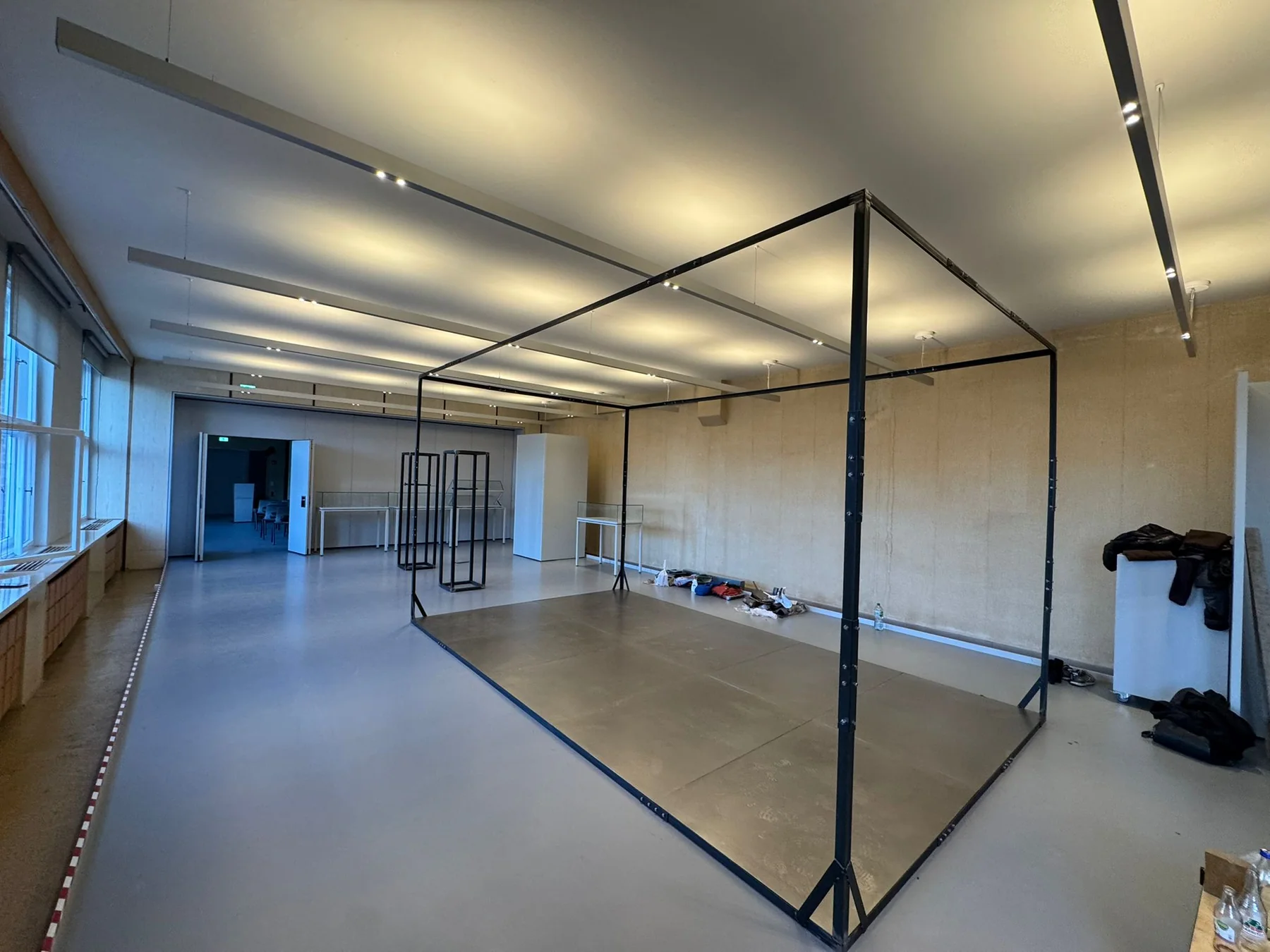
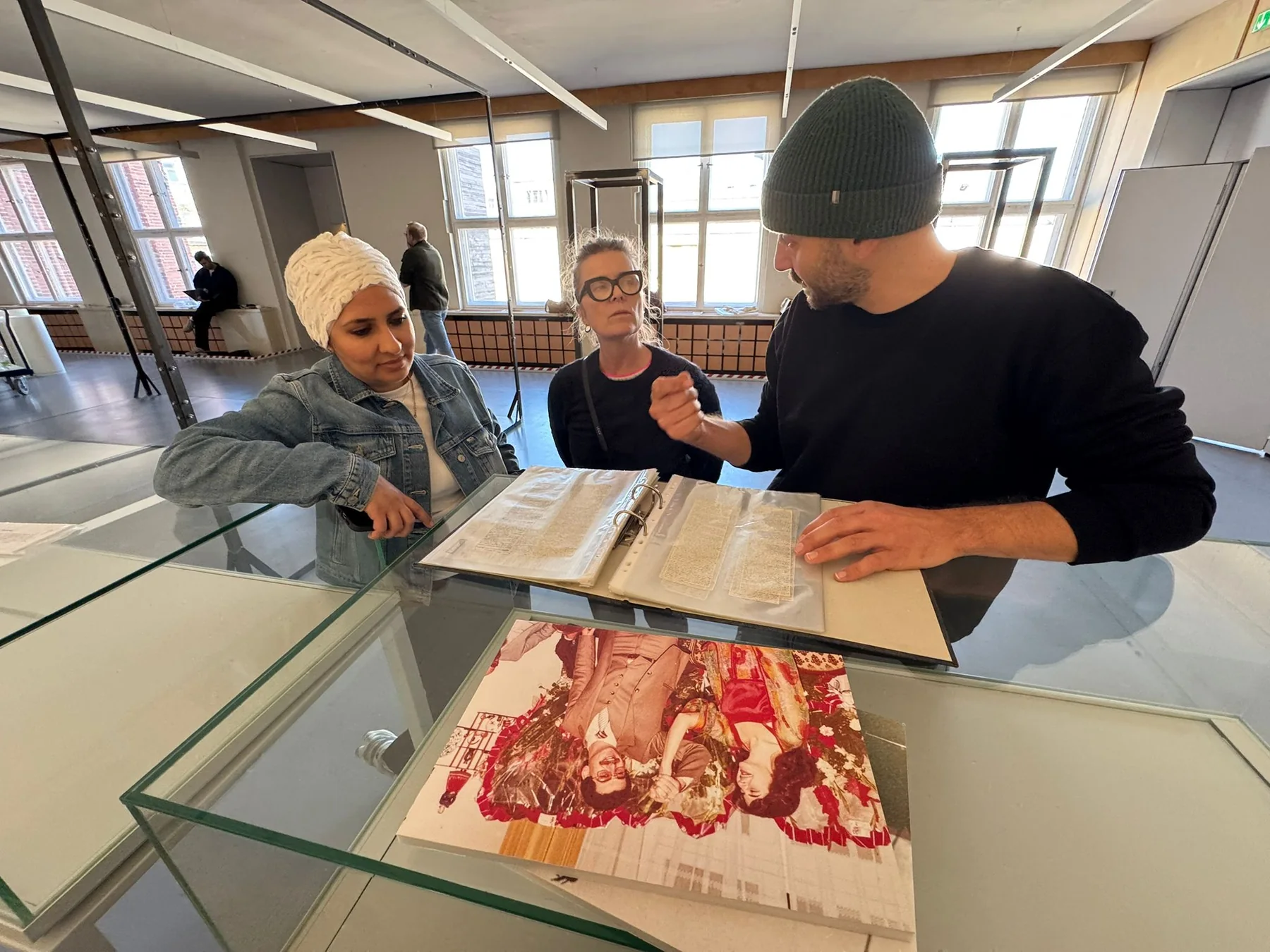
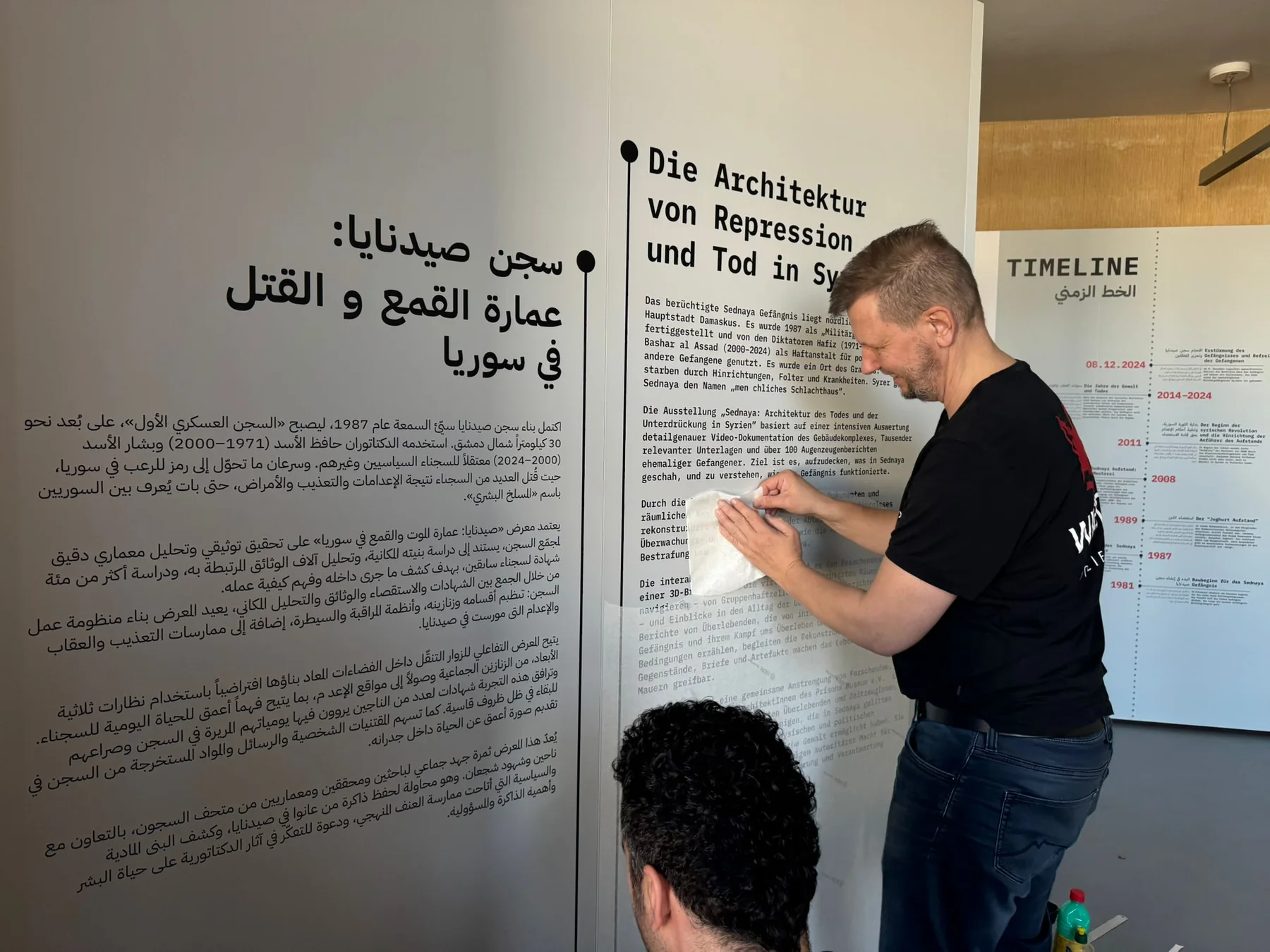
The Berlin exhibition brings together architectural reconstruction, survivor testimony, documents, personal material and virtual reality to examine Sednaya as a system of detention. This record includes installation work in March and public tours during the exhibition run.
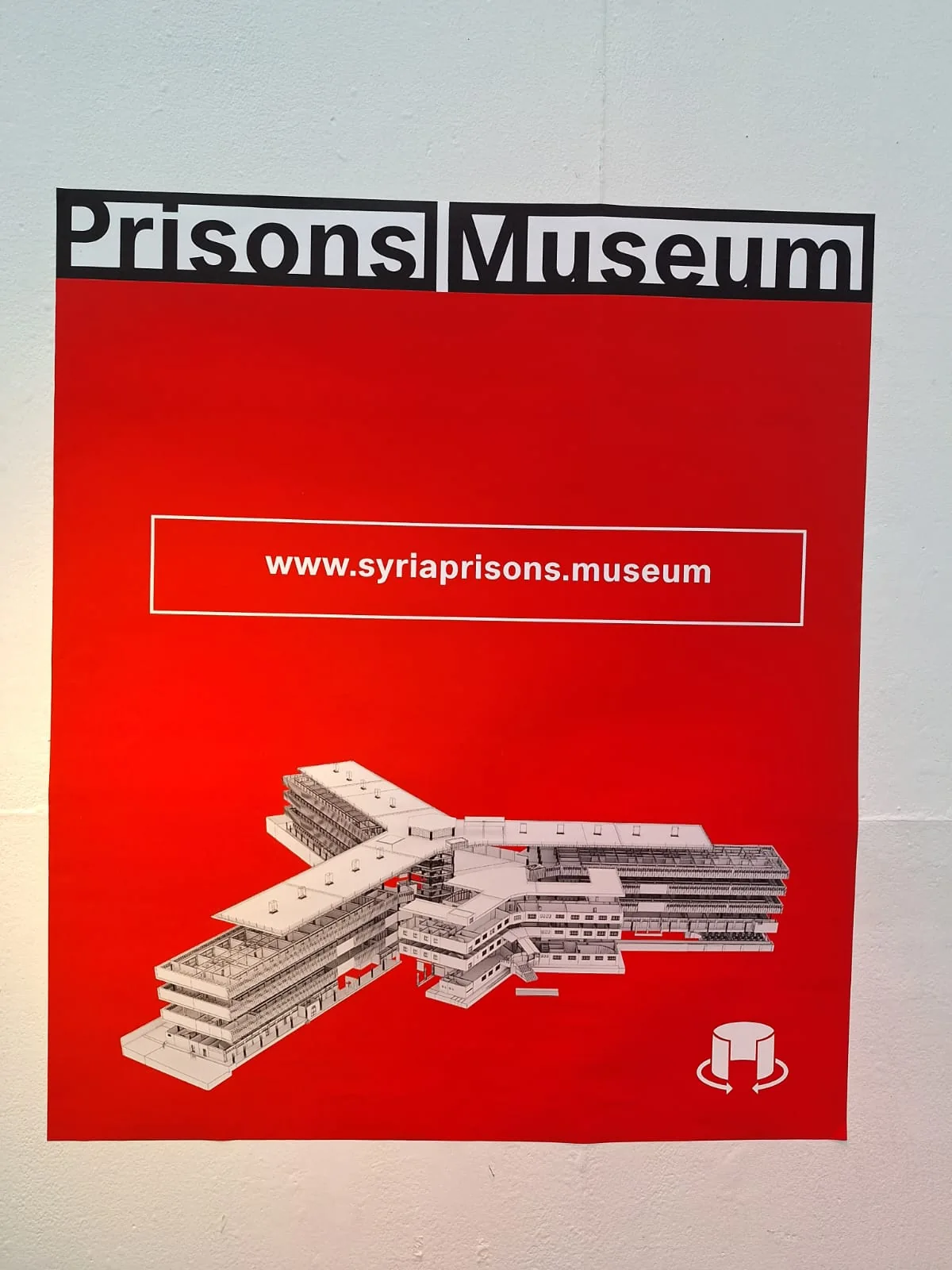
The Prisons Museum presented “Sednaya Prison: Anatomy of a Repressive Machine” at Kulturzentrum Pavillon in Hanover as part of SARAB 2026. Architectural reconstruction, virtual reality, survivor testimony, documents, filmed investigations and personal objects examined how Sednaya’s architecture functioned within a system of isolation, surveillance, torture and systematic violence.
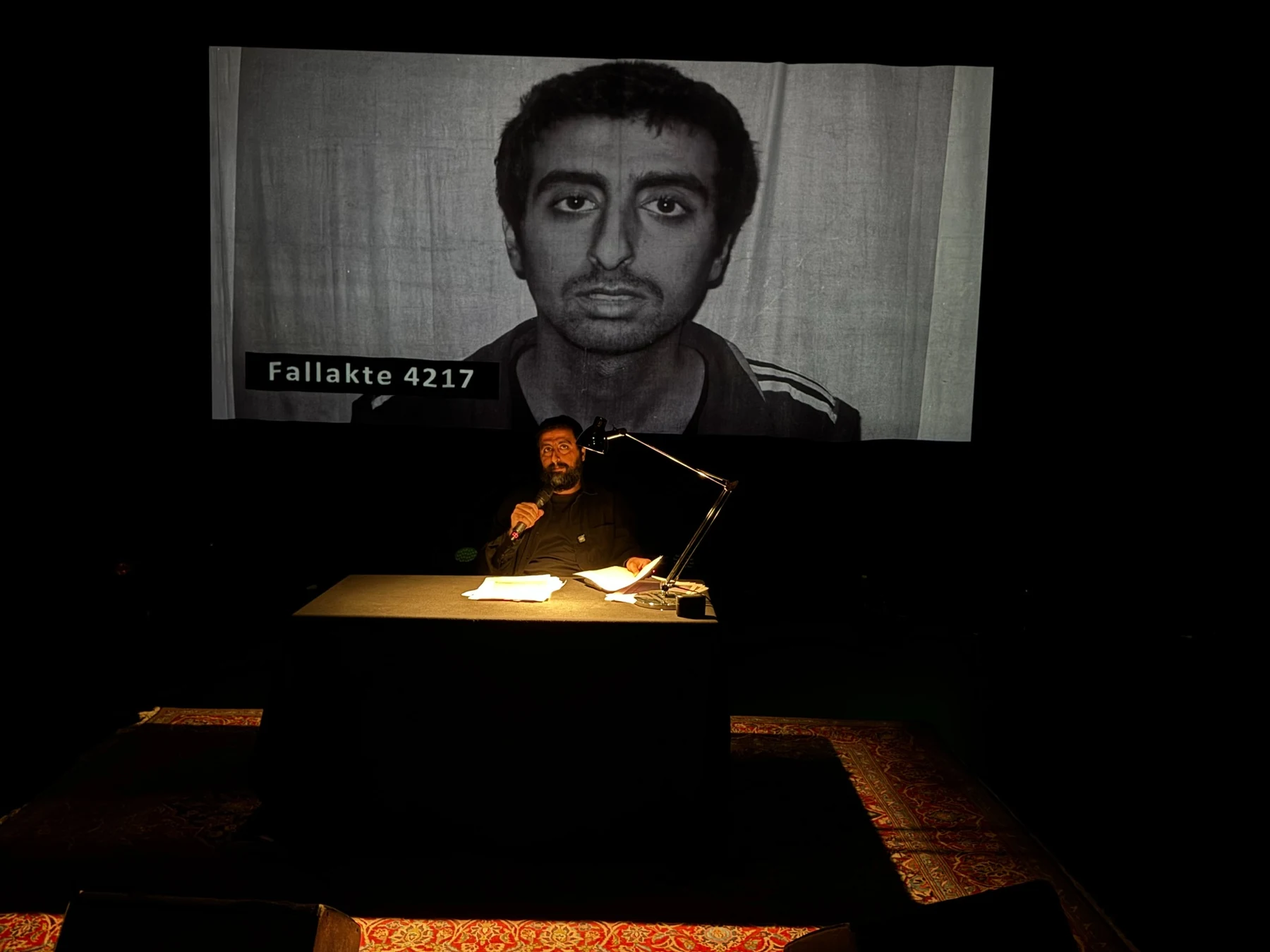
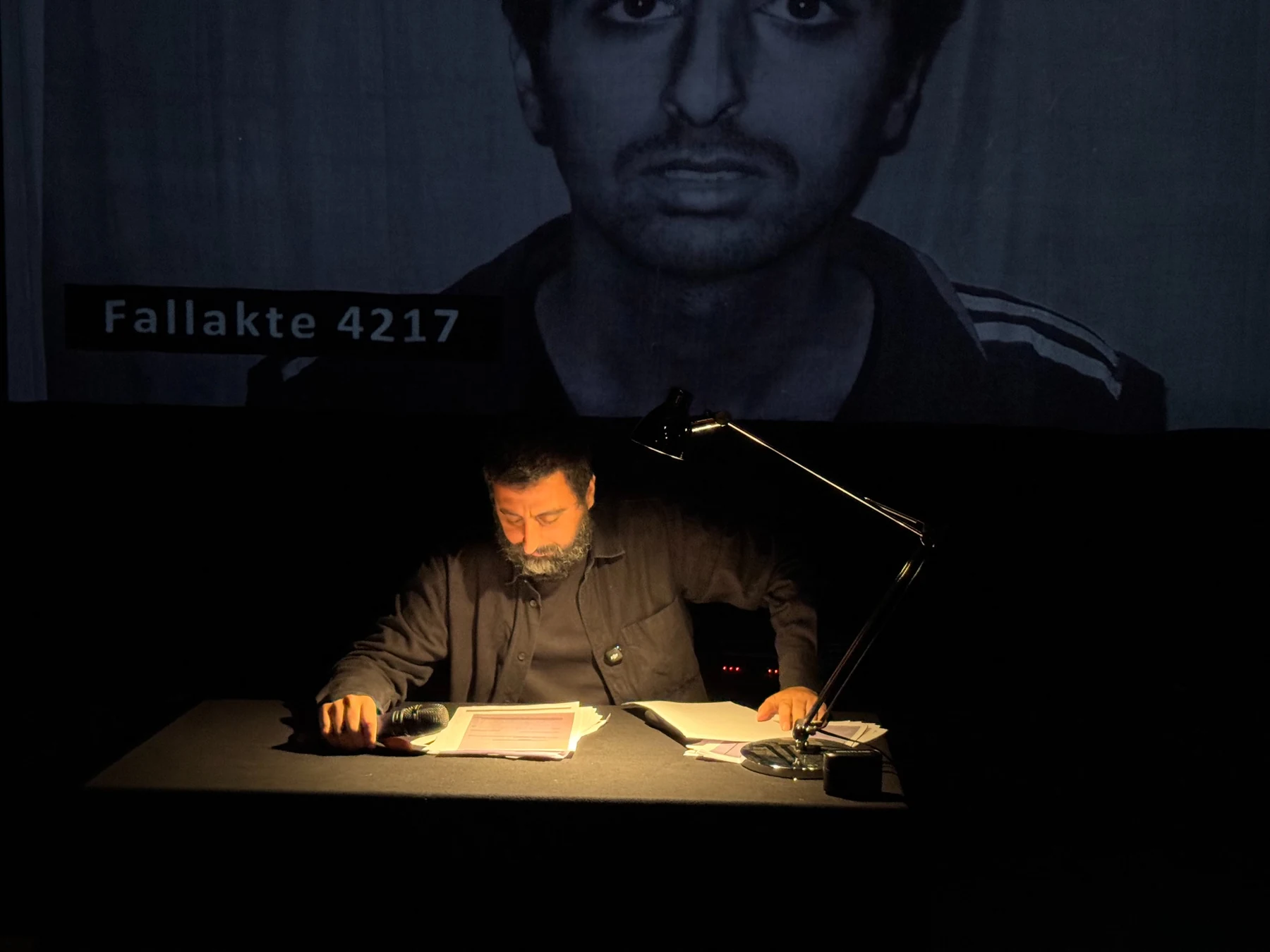
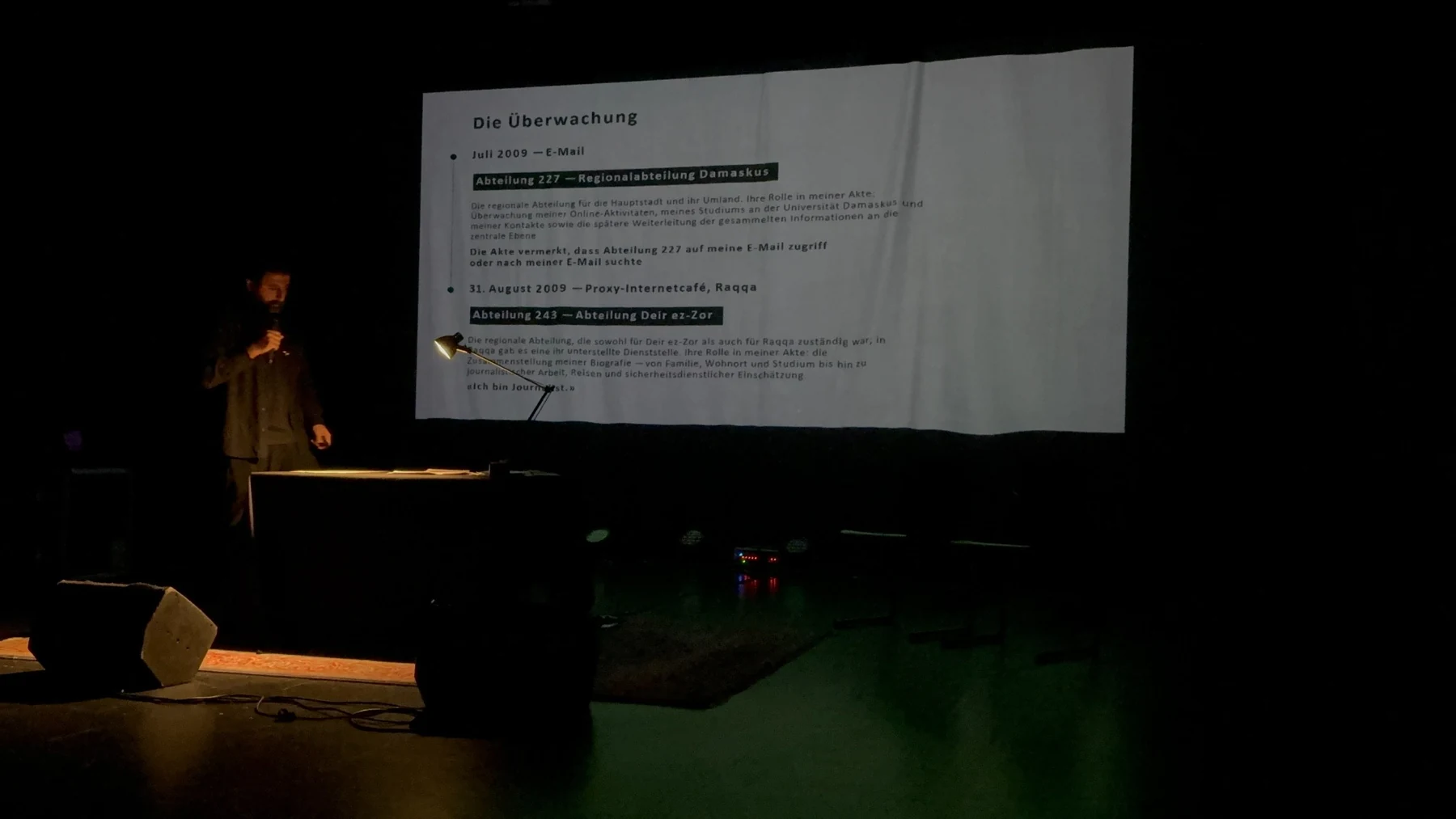
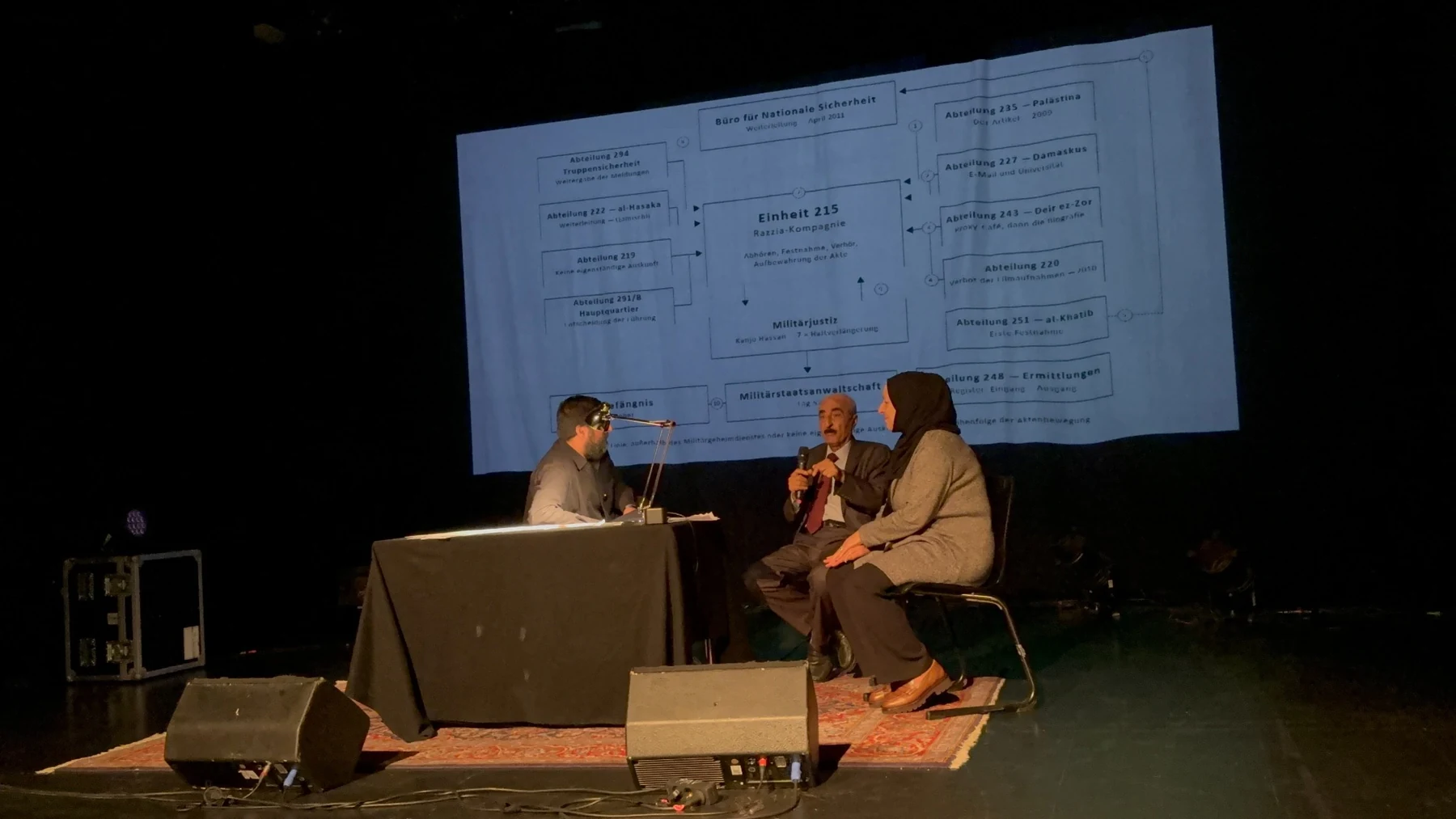
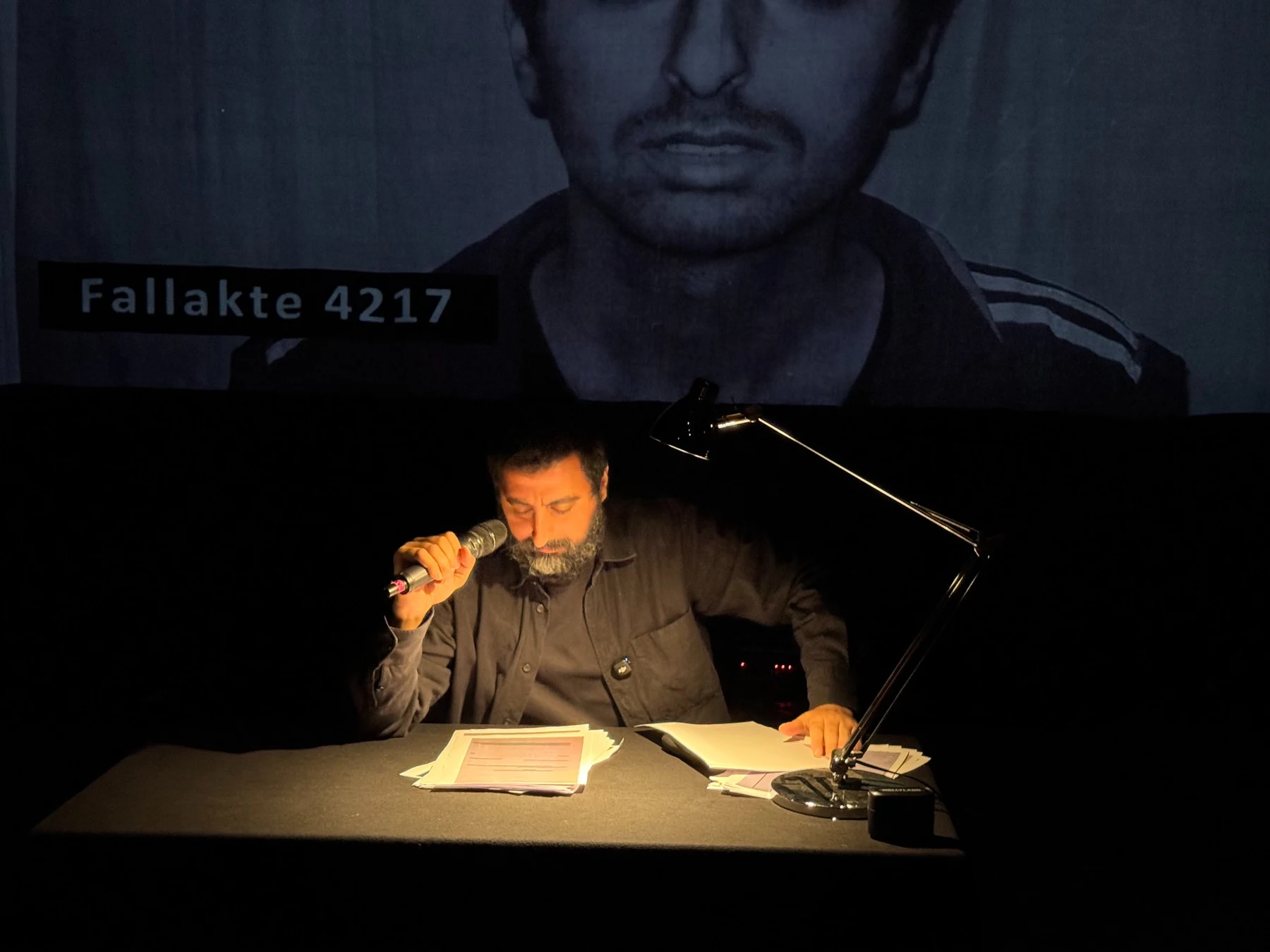
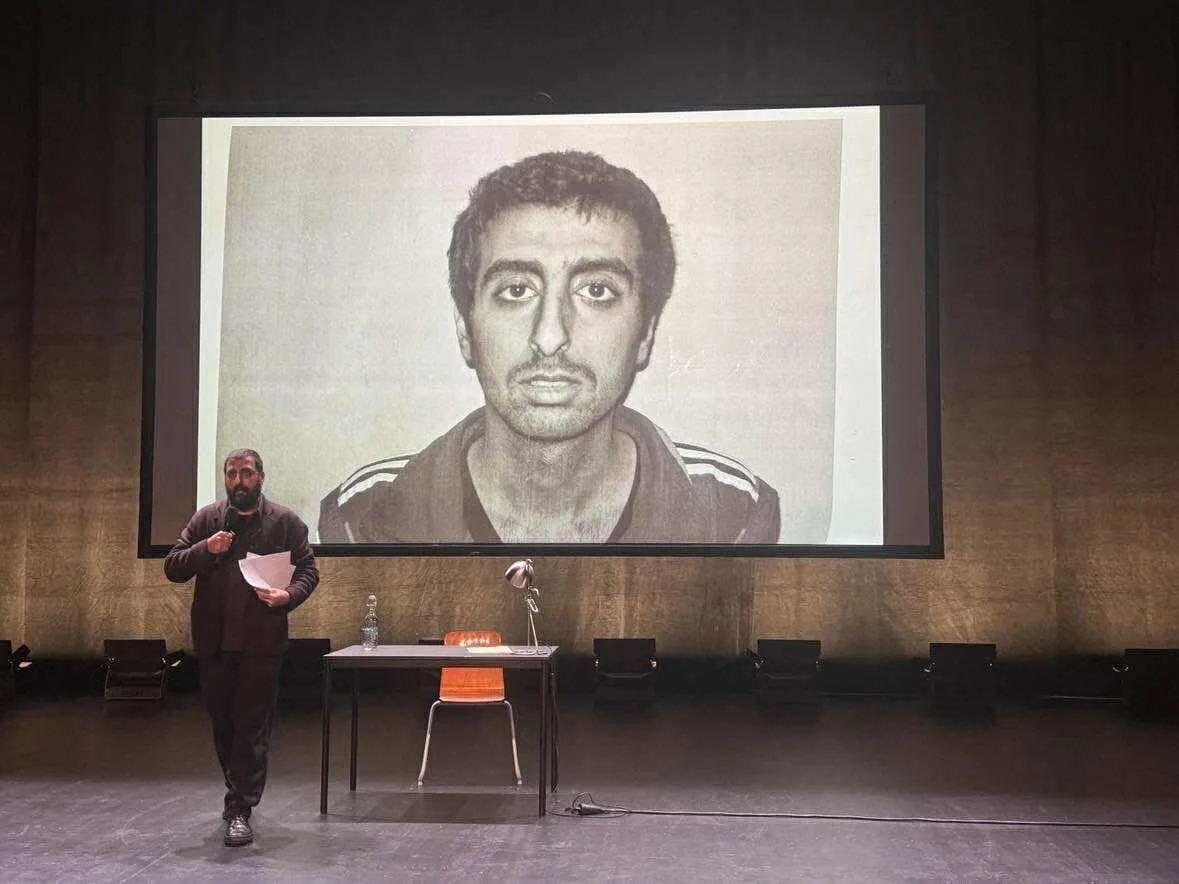
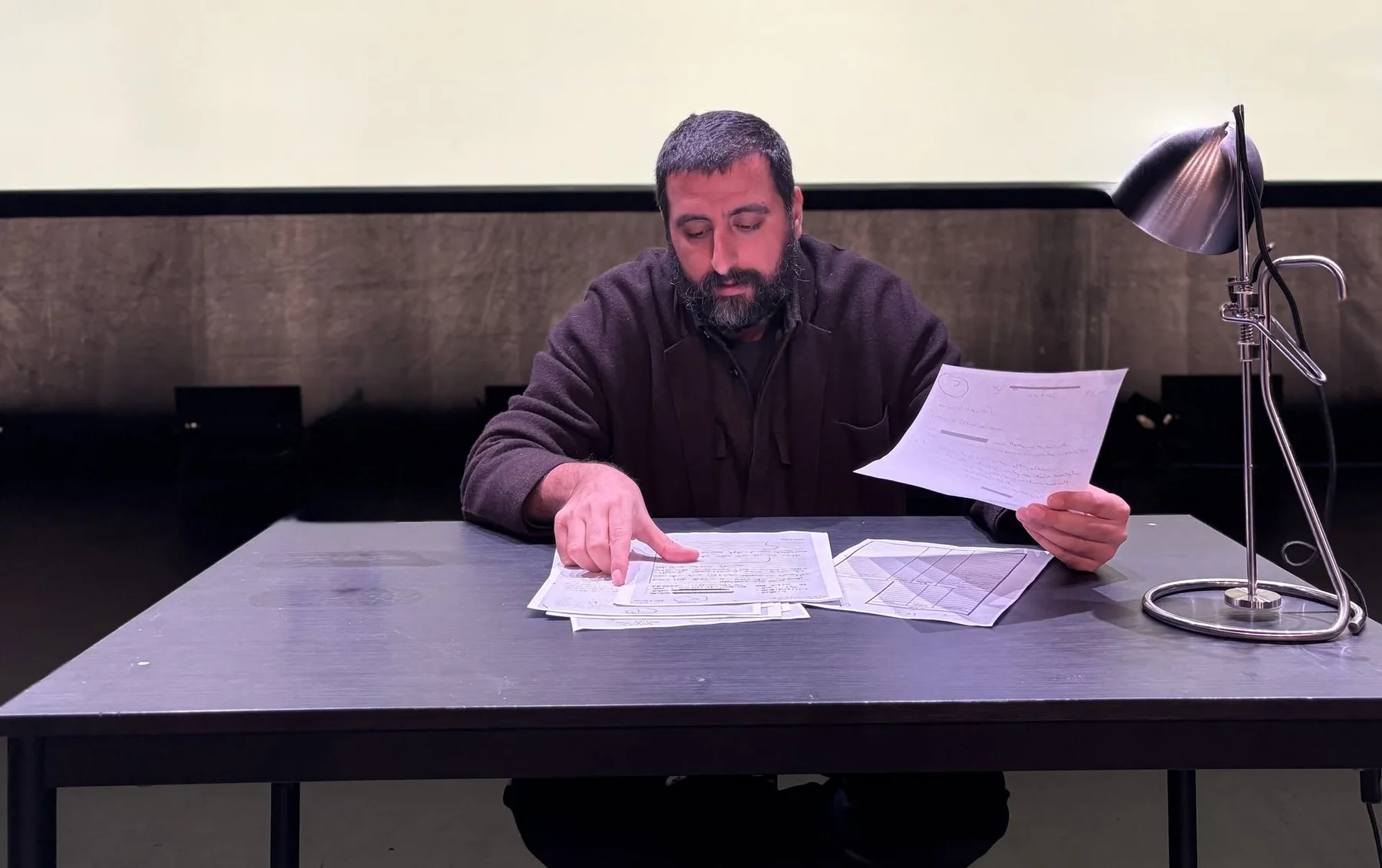
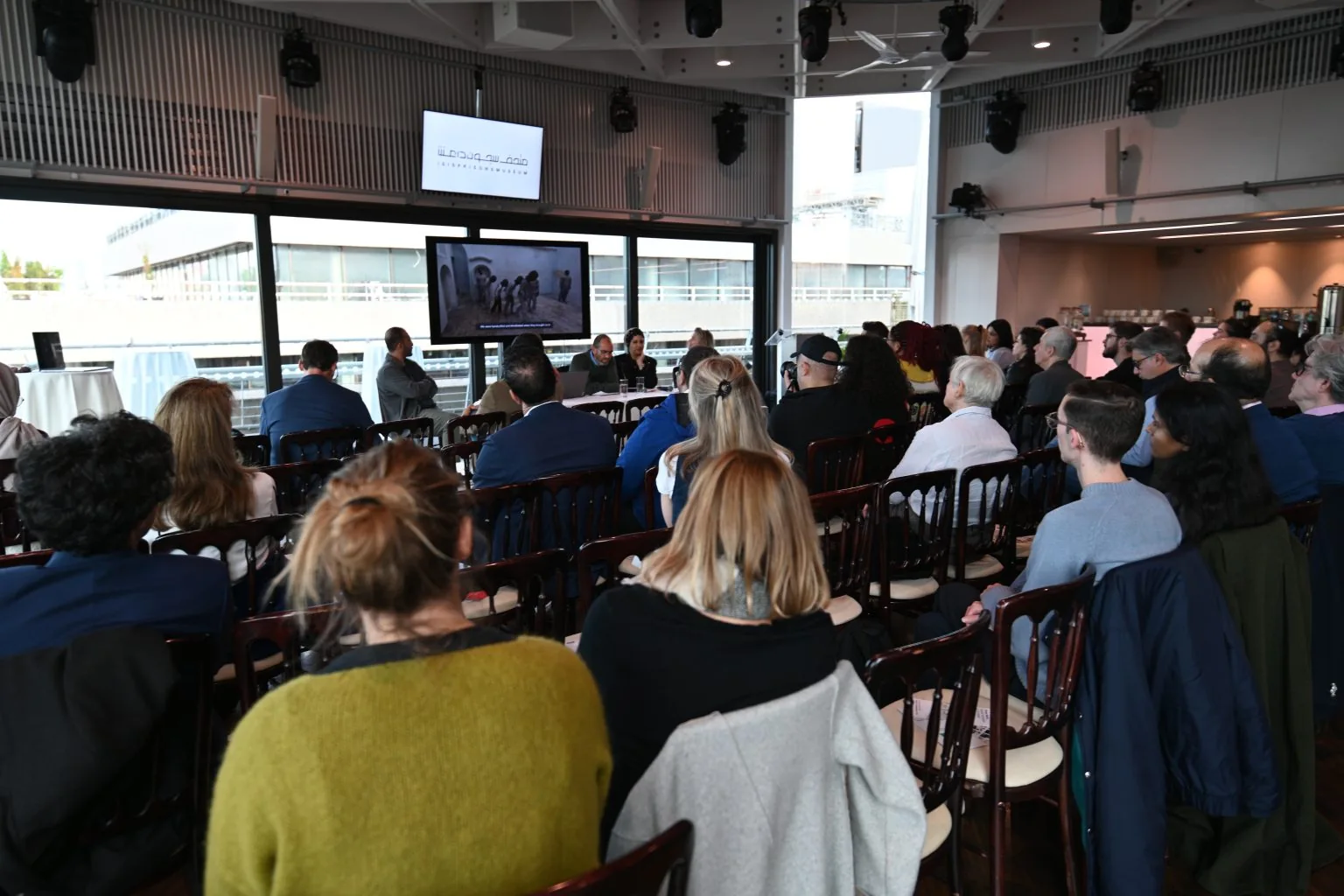
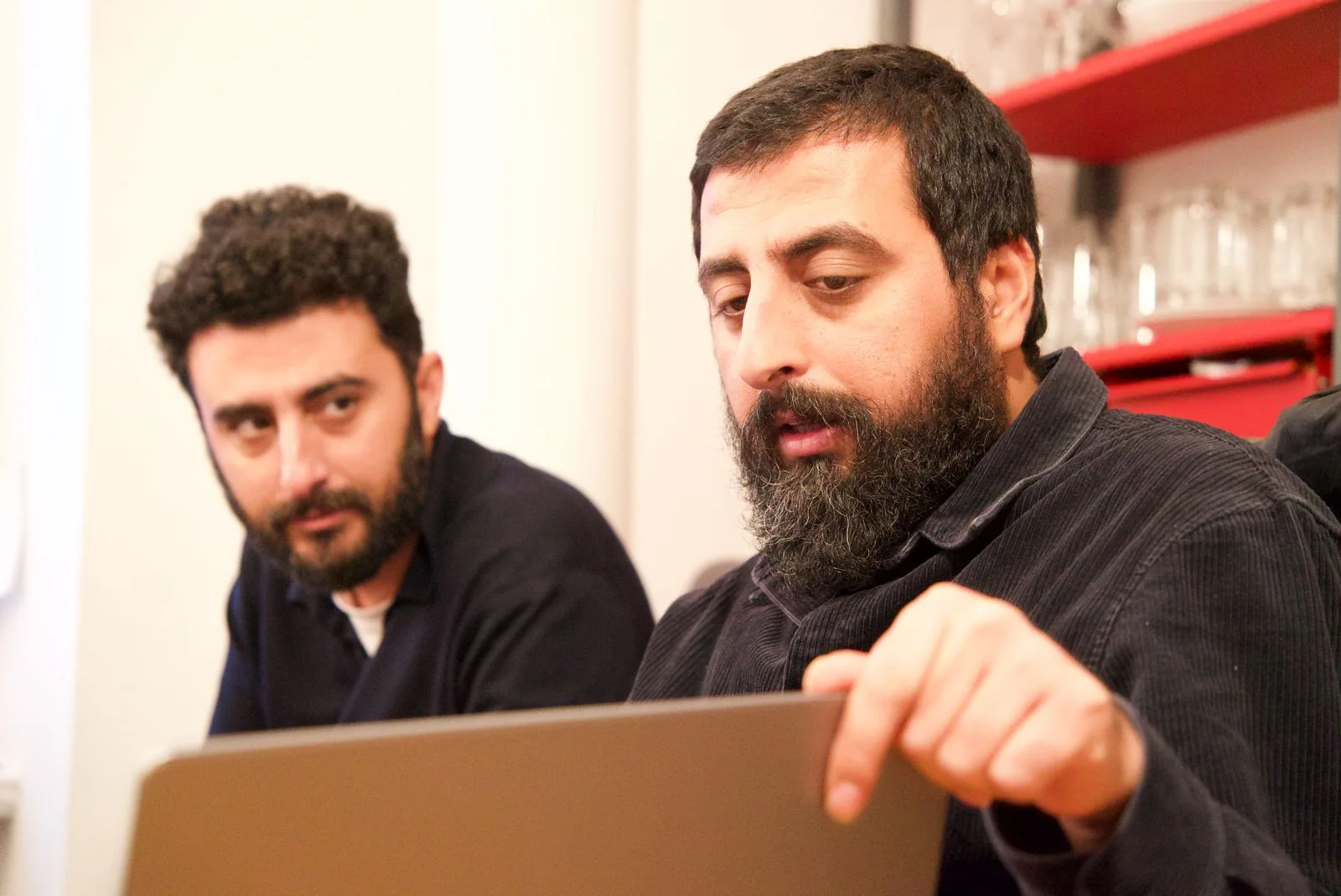
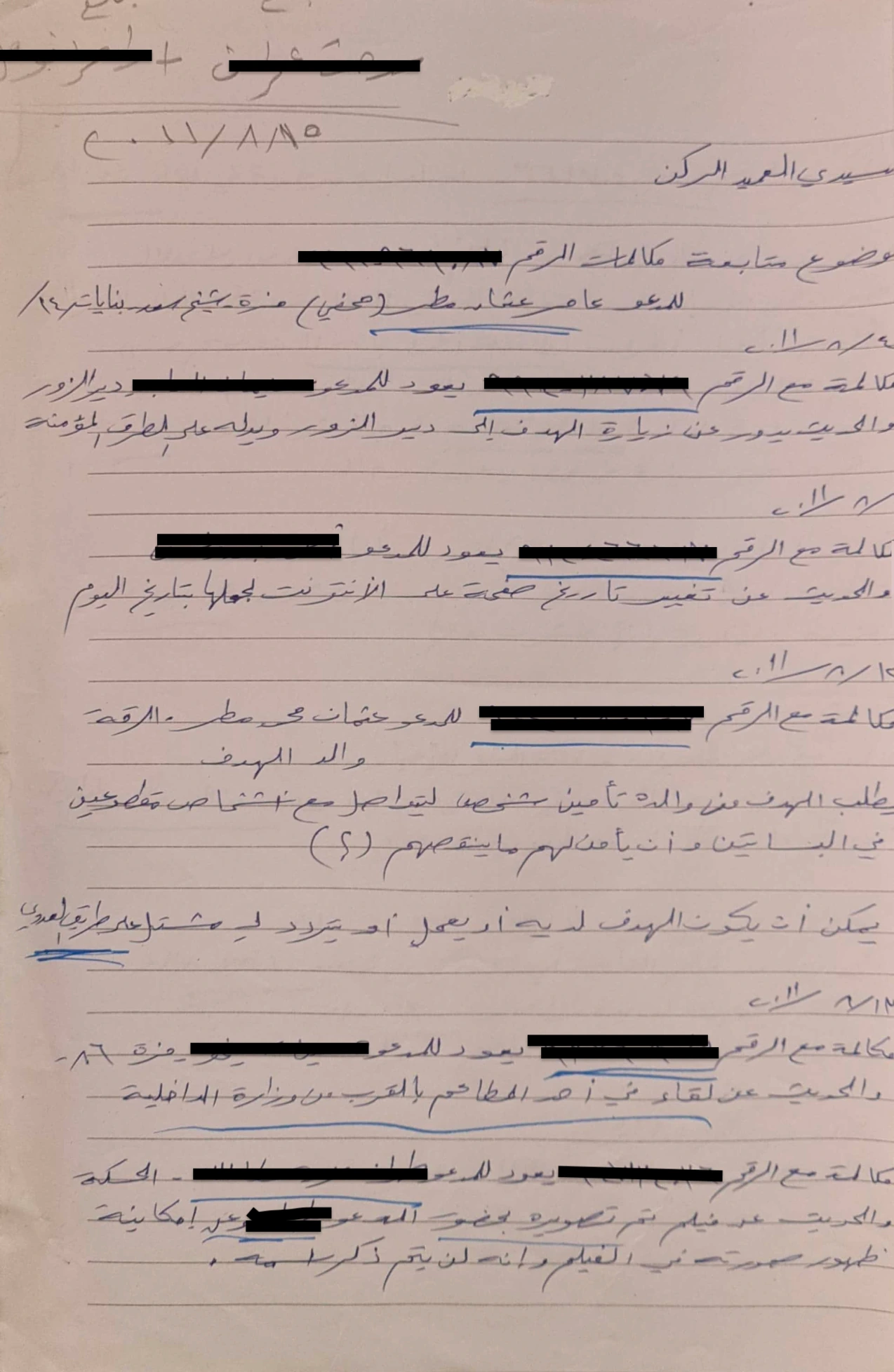
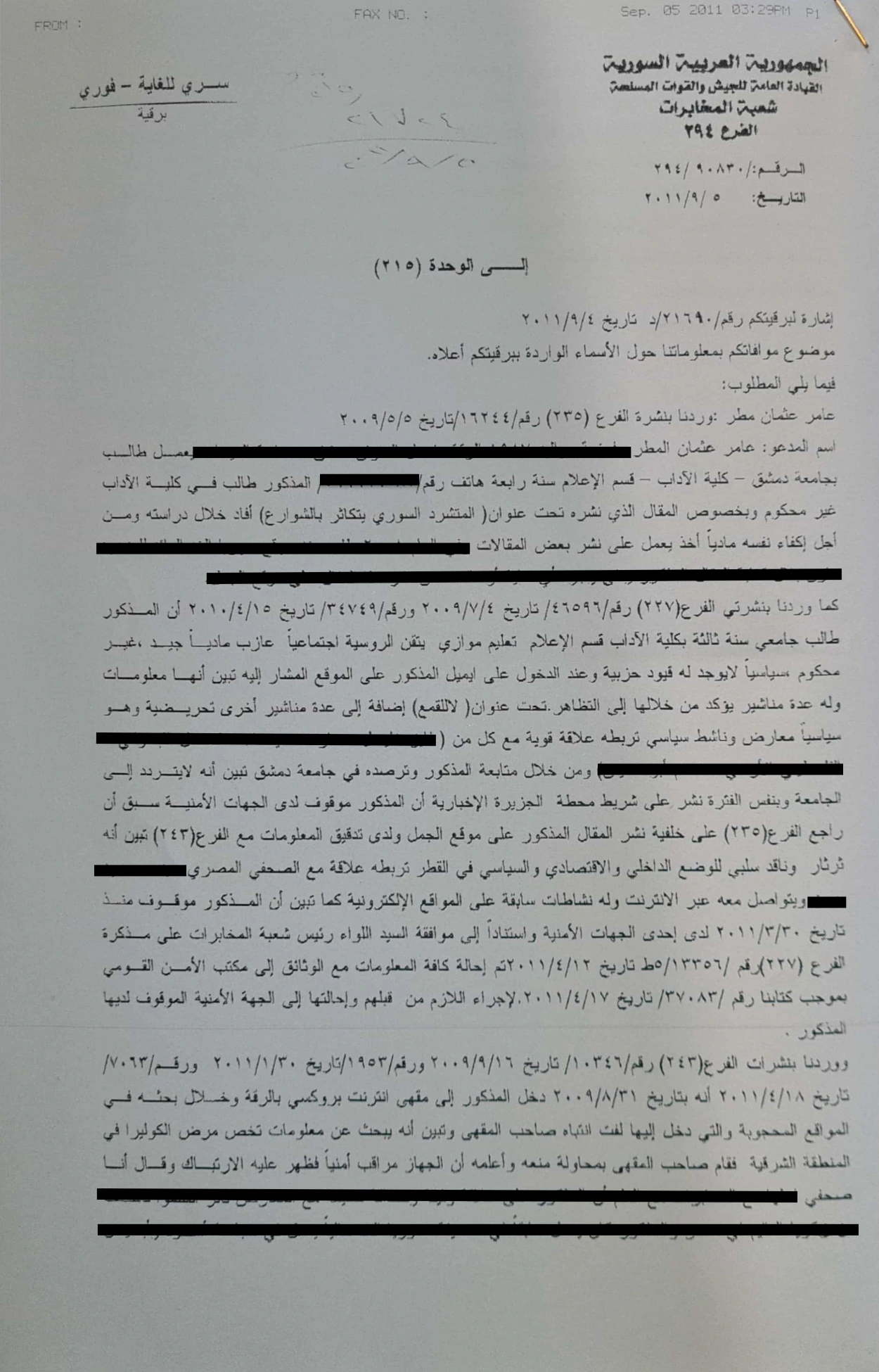
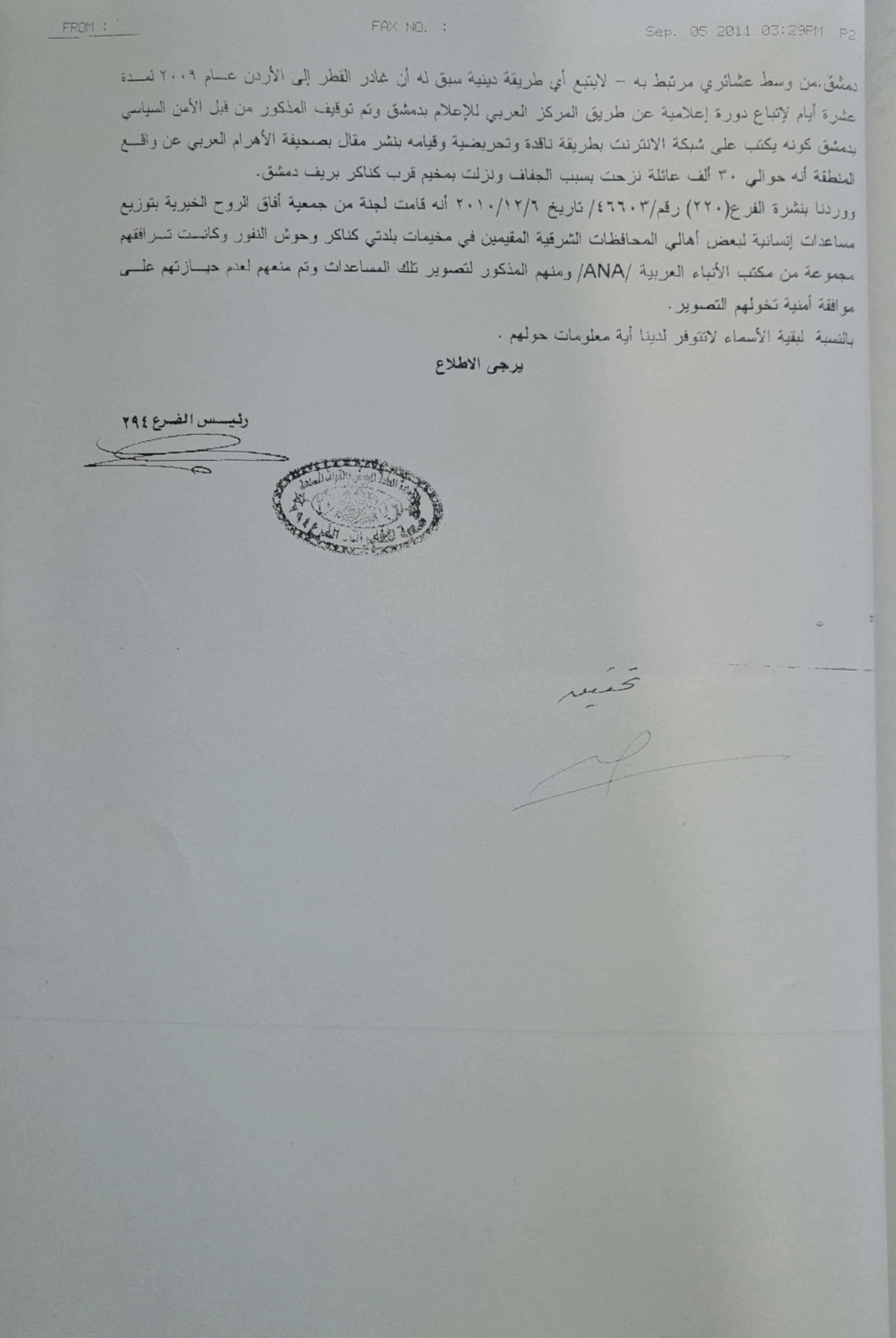
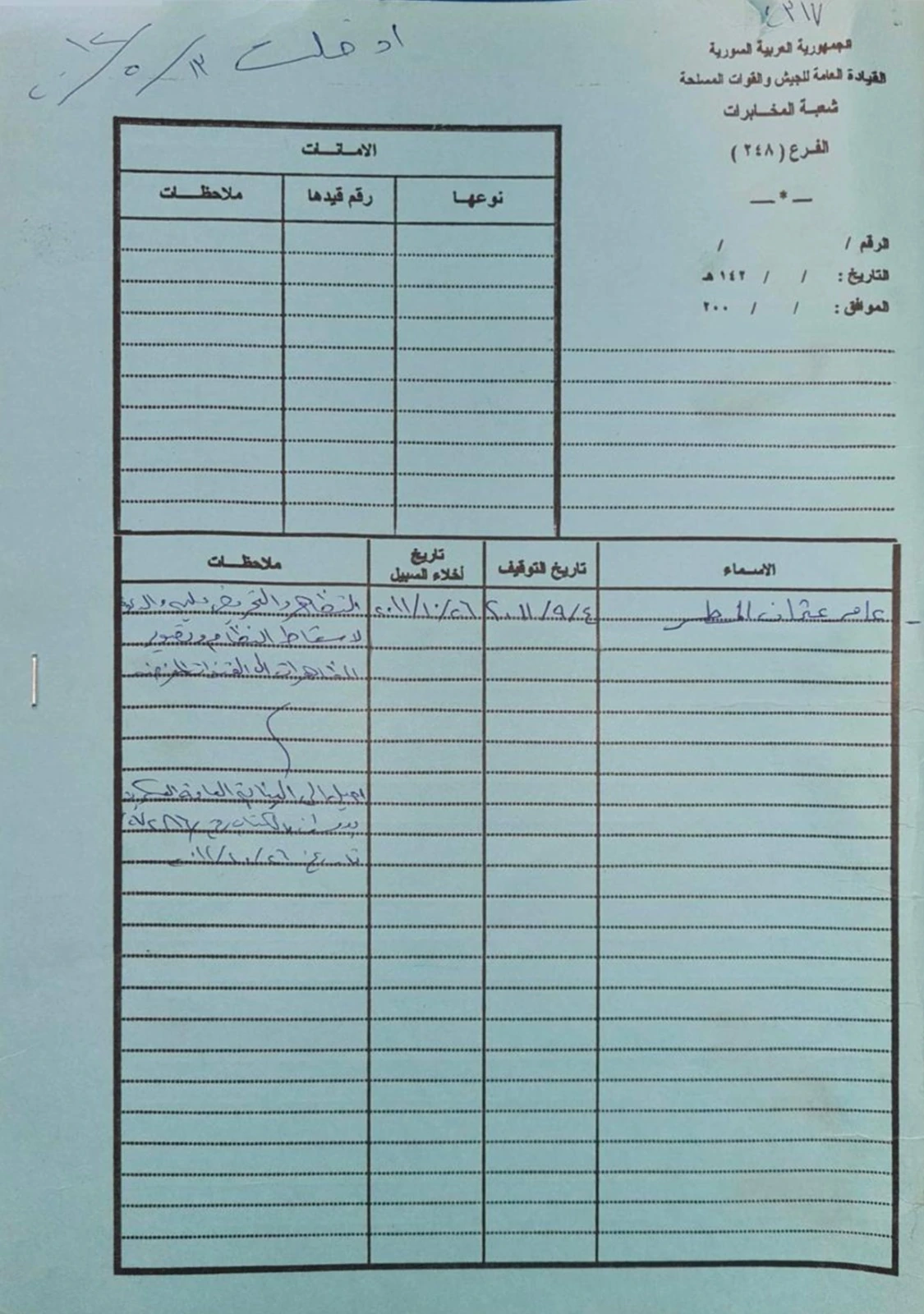
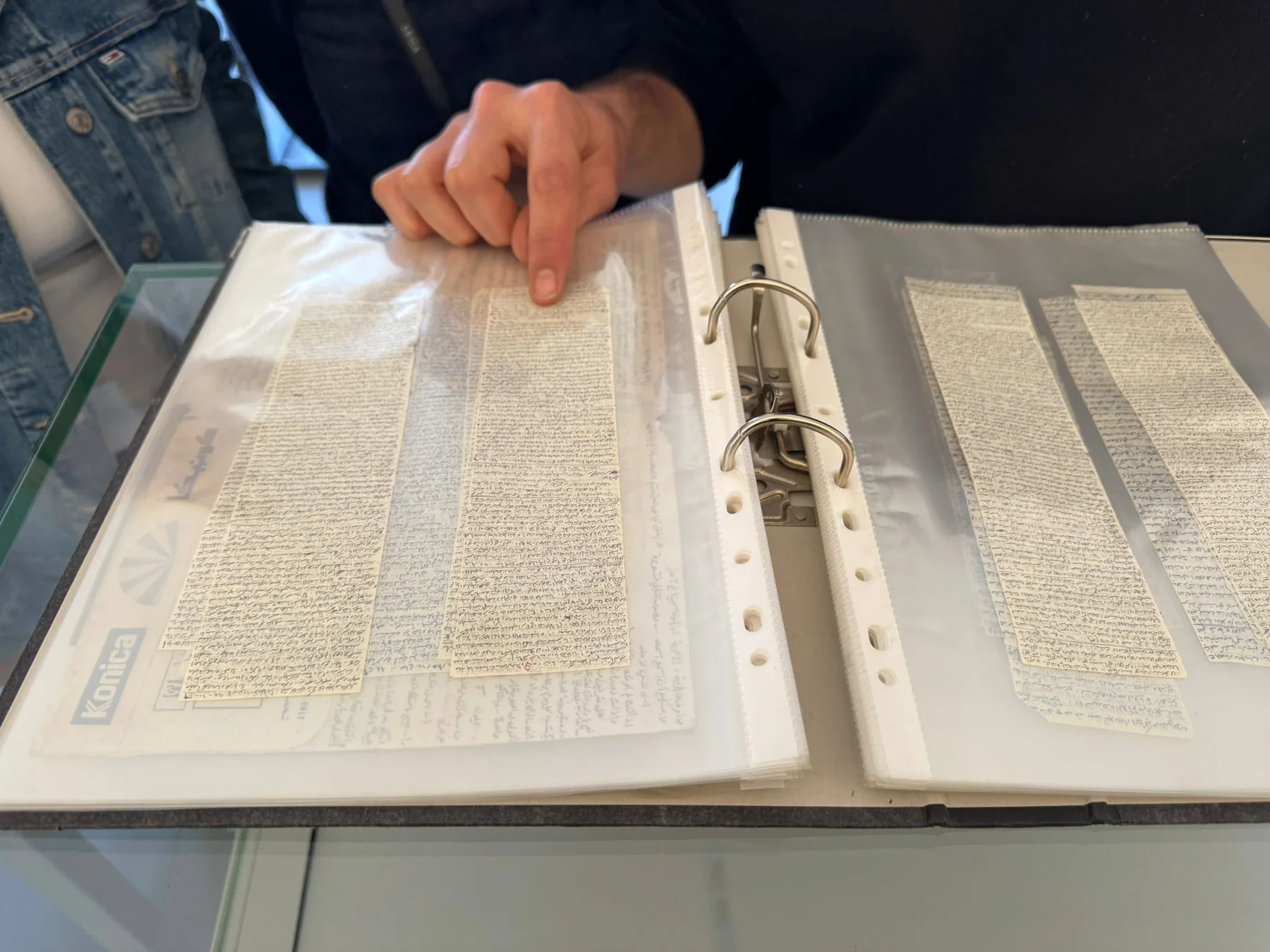
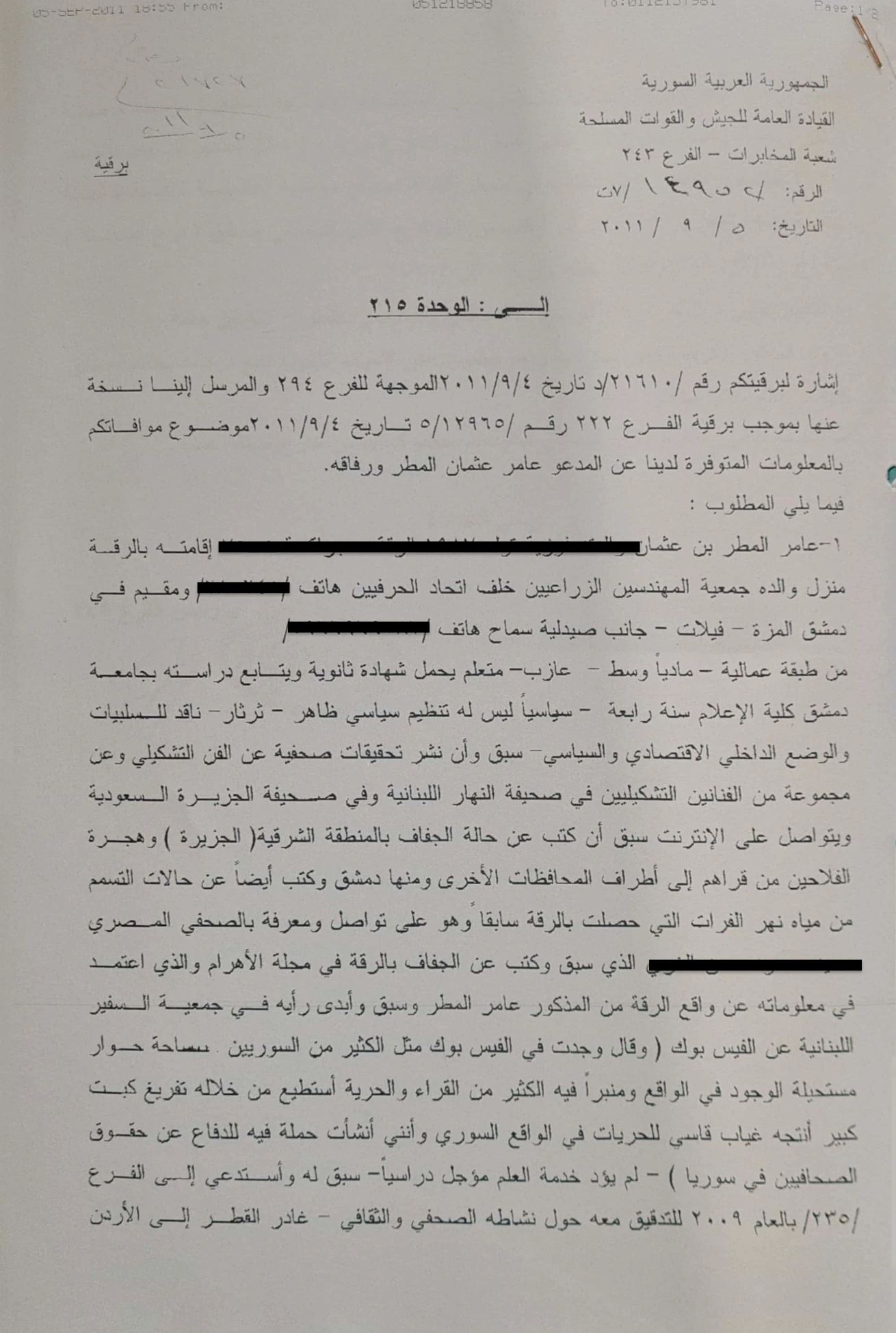
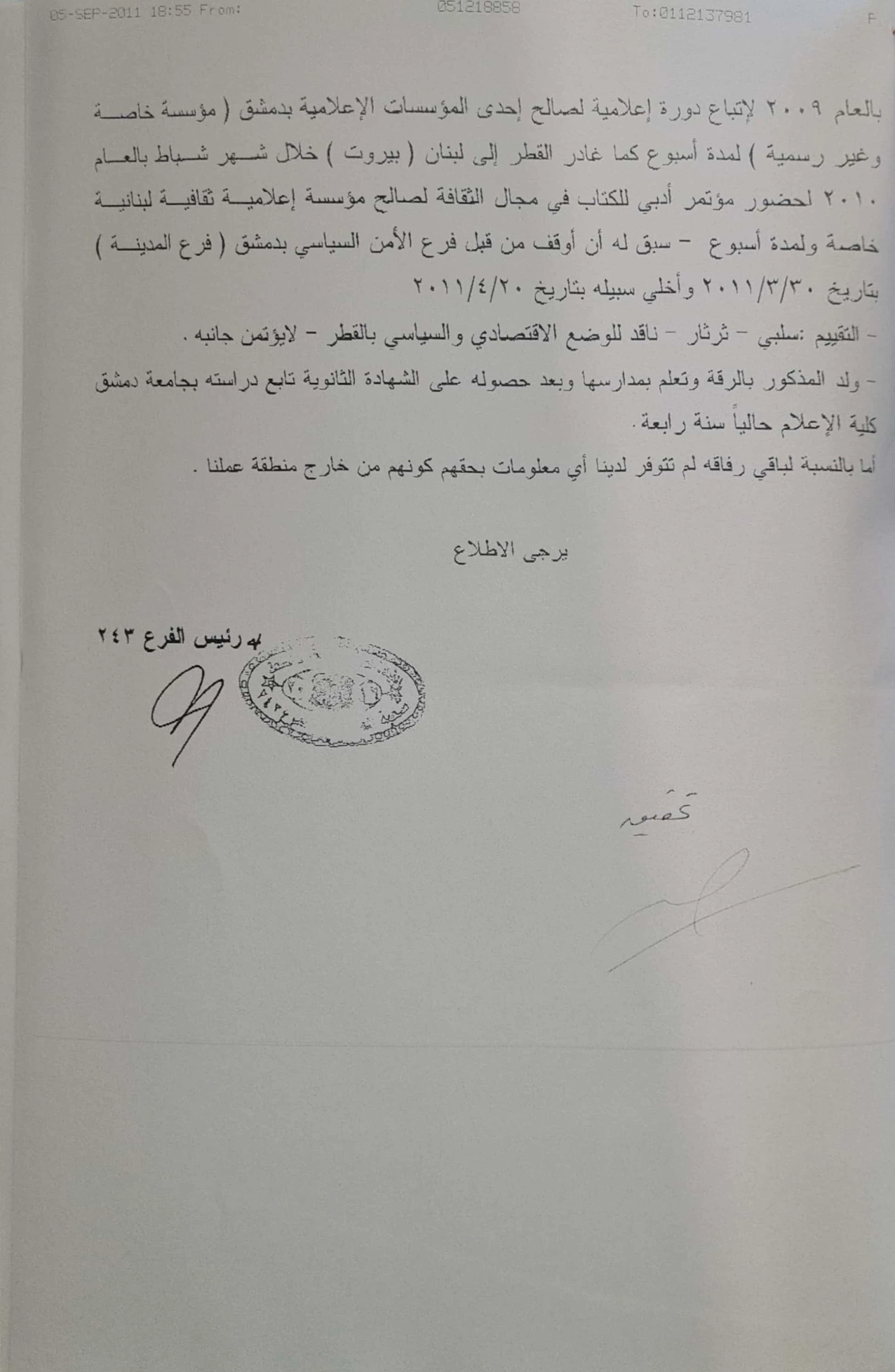
The live documentary performance “Dossier 4217” was presented at Kulturzentrum Pavillon in Hanover. In the performance, journalist Amer Matar, Director of the Prisons Museum, read from his personal security dossier, tracing how writing, surveillance, and wiretapping developed into arrest within Syria’s intelligence apparatus.
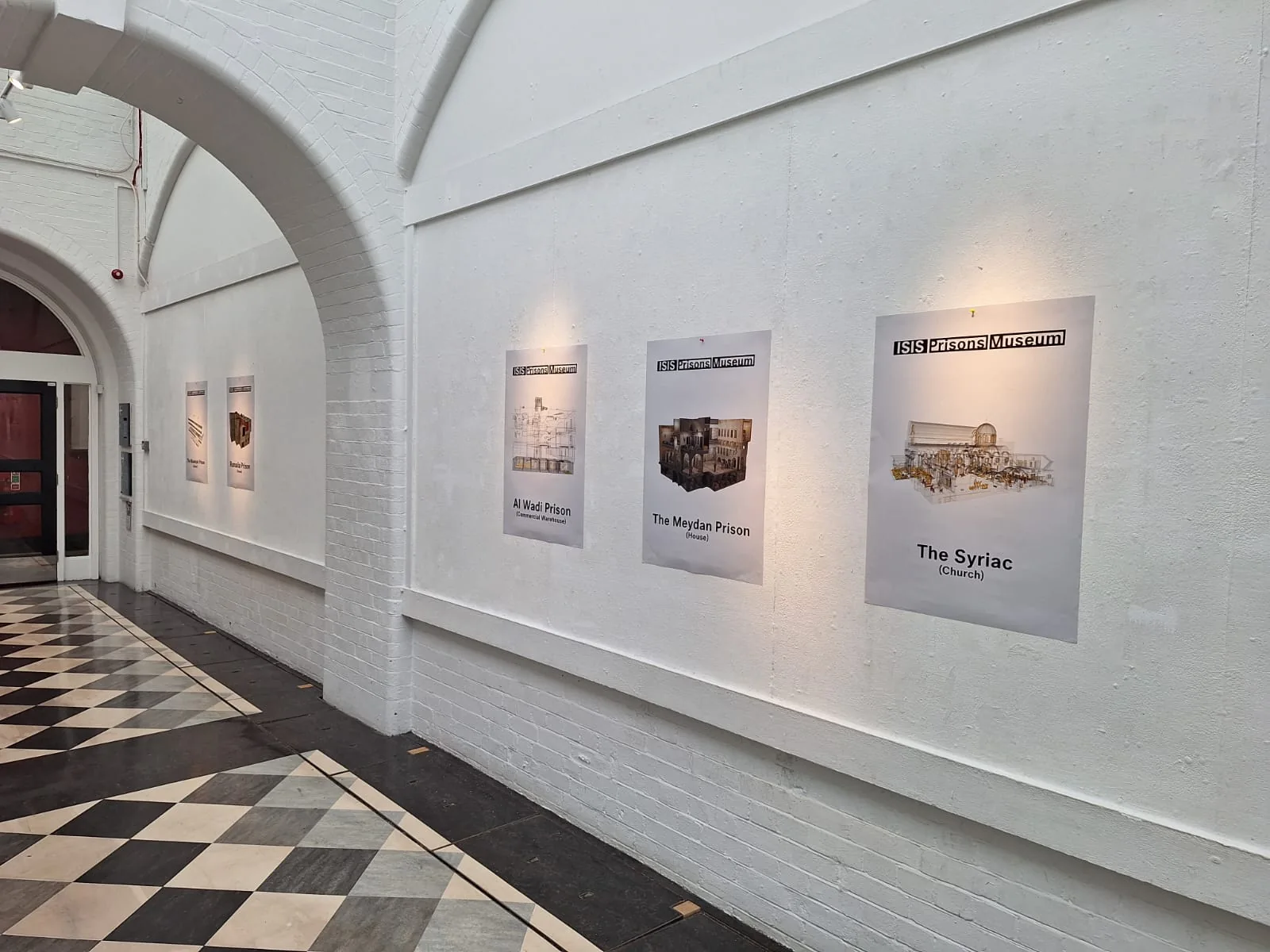
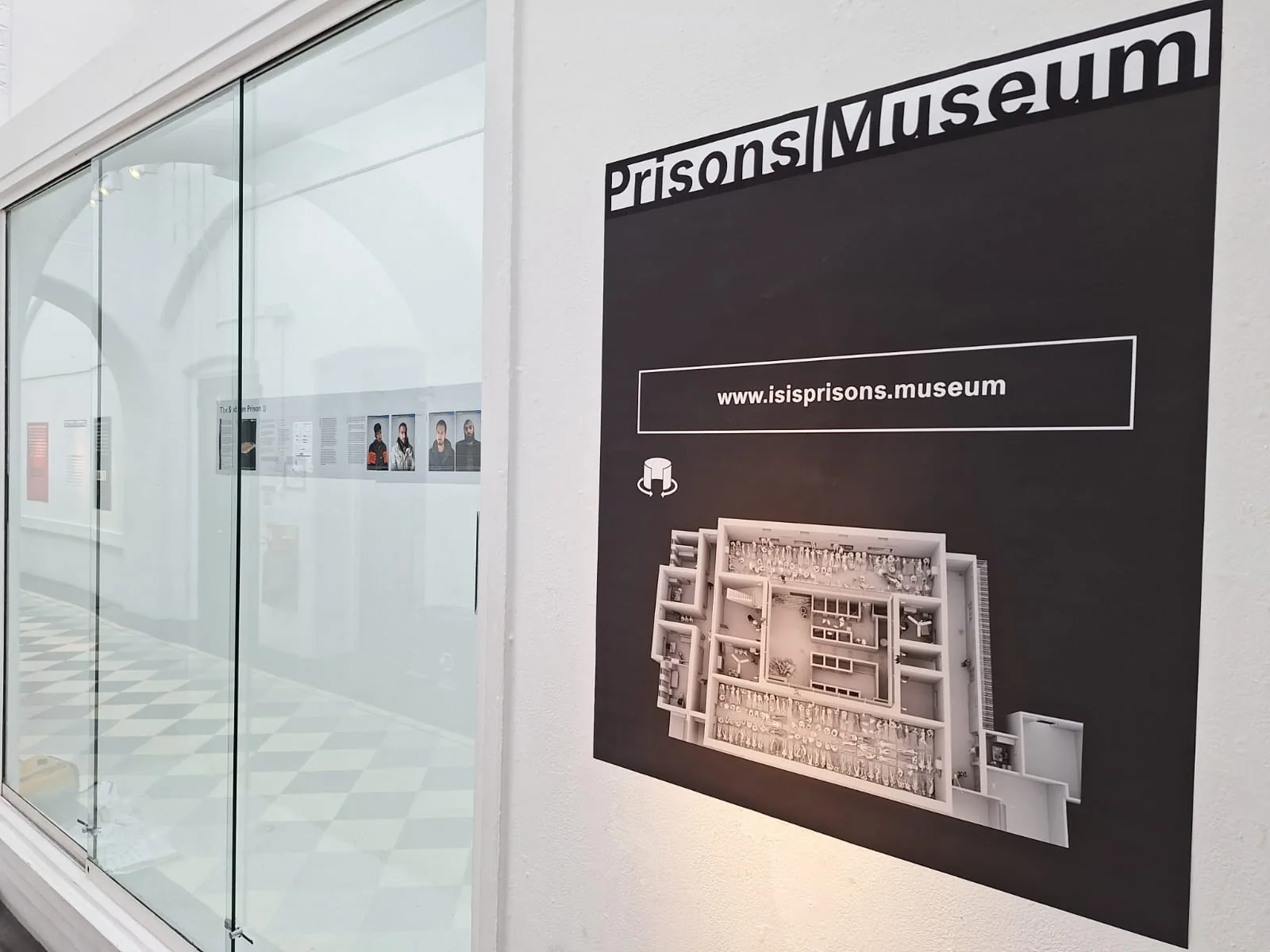
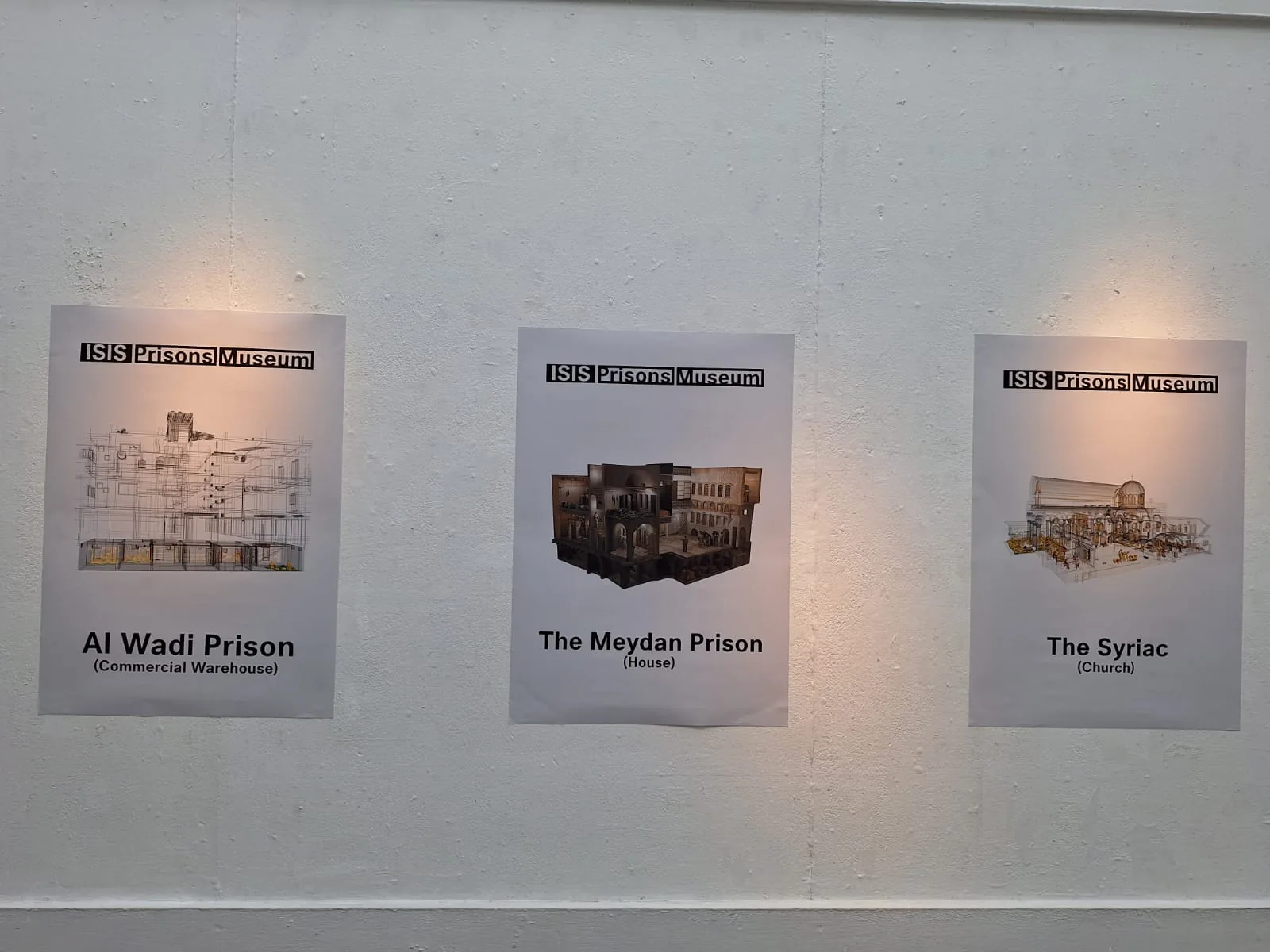
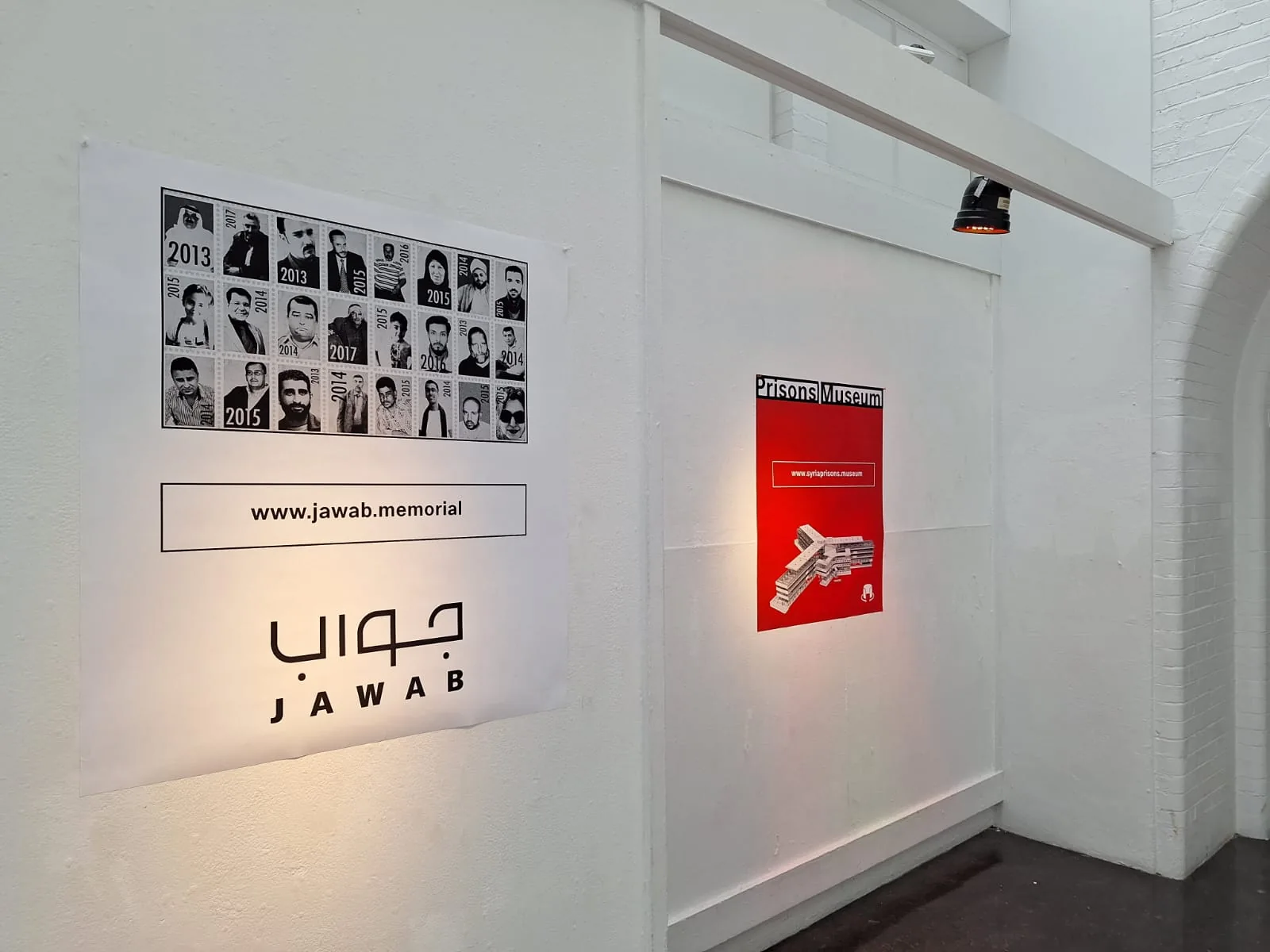
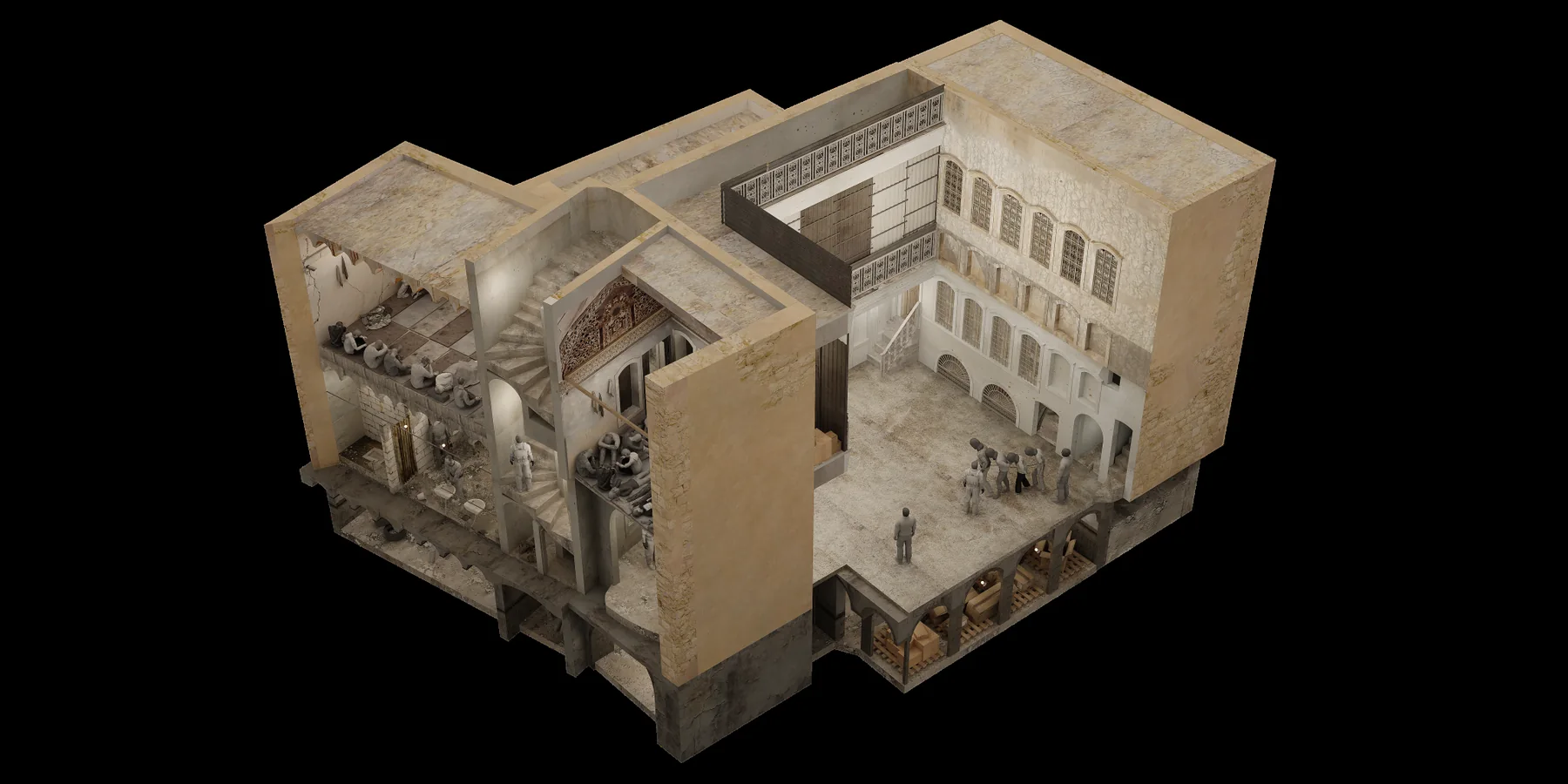
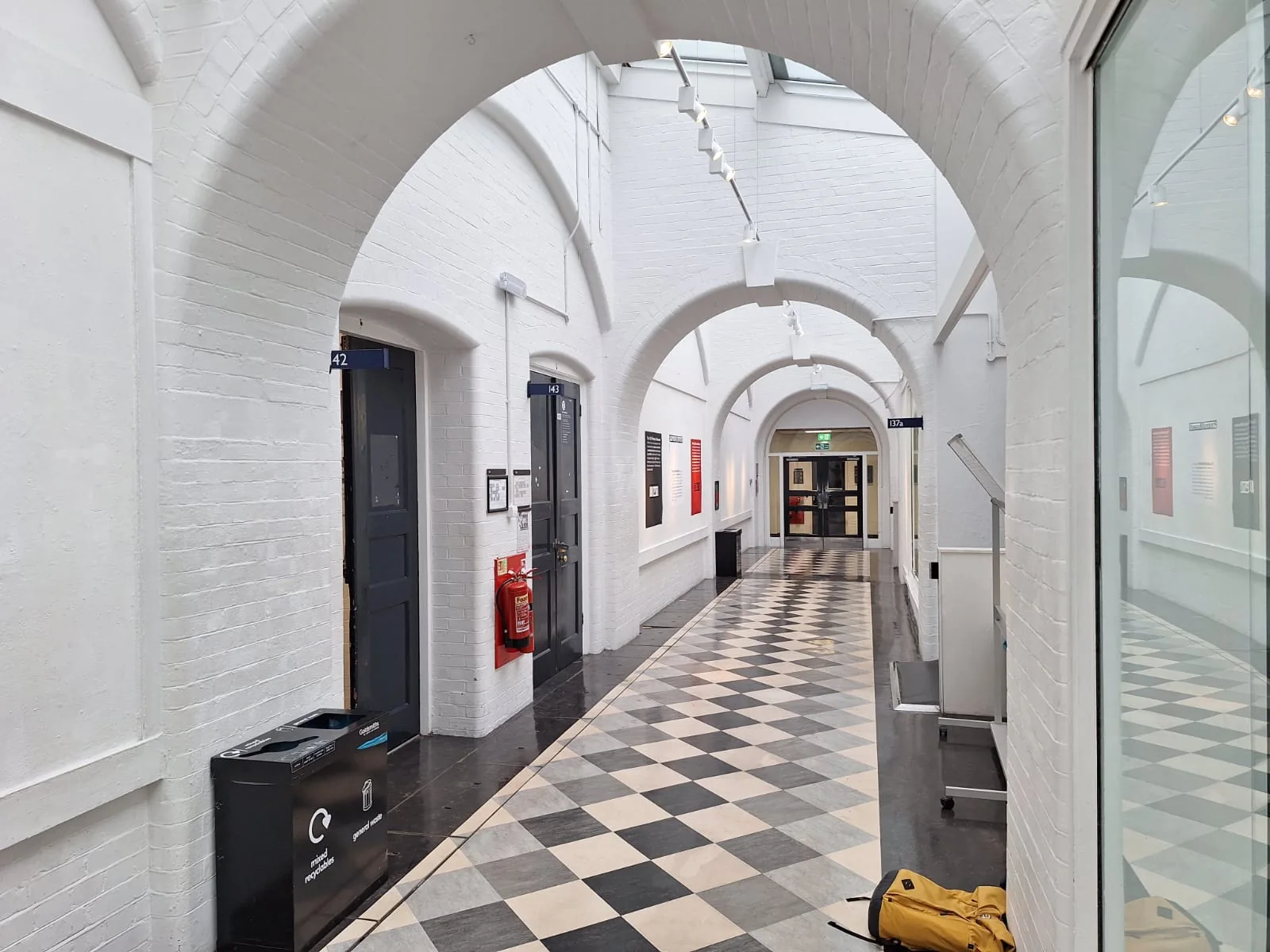
Co-curated with the Migrant Future Institute at Goldsmiths College, London, the exhibition presented the Prisons Museum's work within the “Syria in Transition” series through two in-depth case studies: Sednaya Prison north of Damascus, and the Stadium Prison in Raqqa, a sports stadium ISIS transformed into a detention and torture site. Additional case studies showed how the group repurposed everyday civilian buildings — houses, churches, schools and commercial spaces — into prisons, with QR codes guiding visitors to the online 3D tours of the sites.
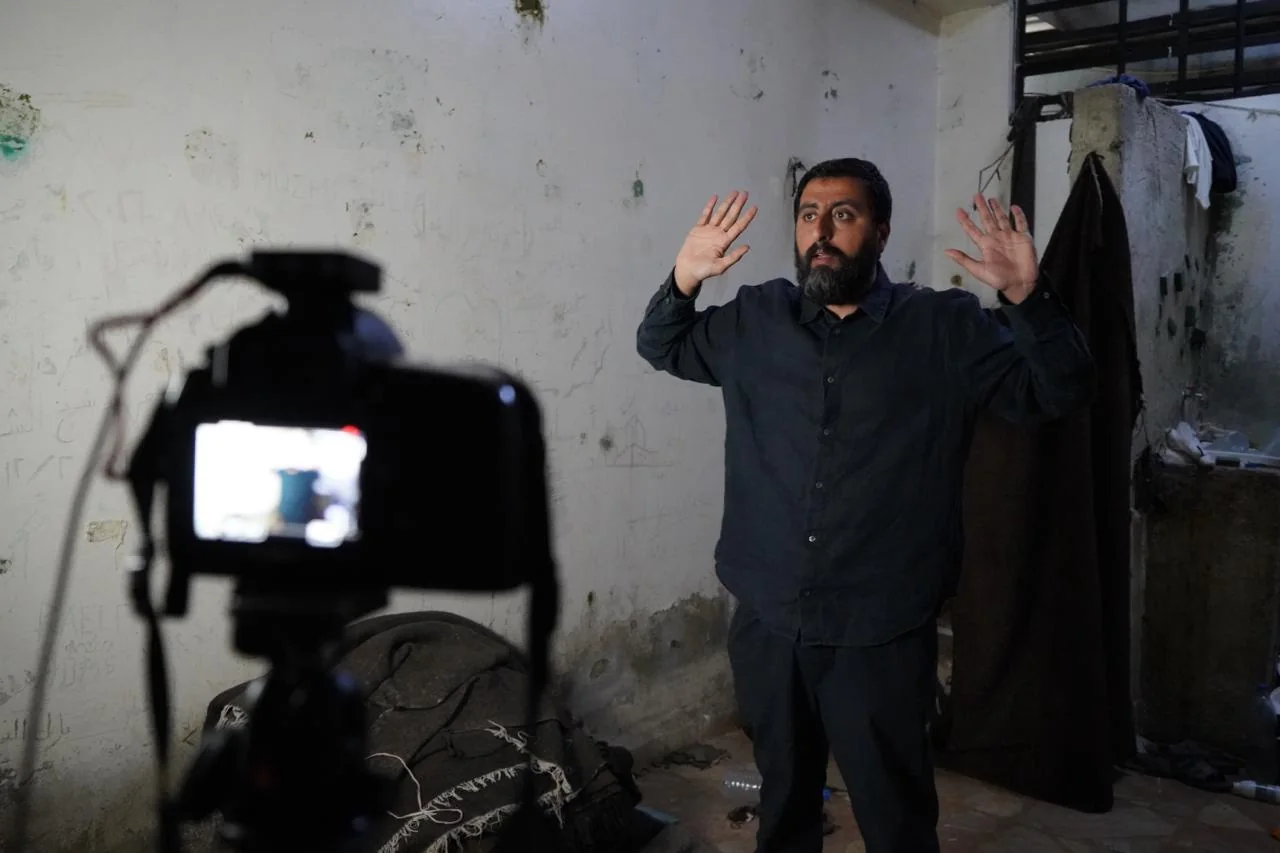
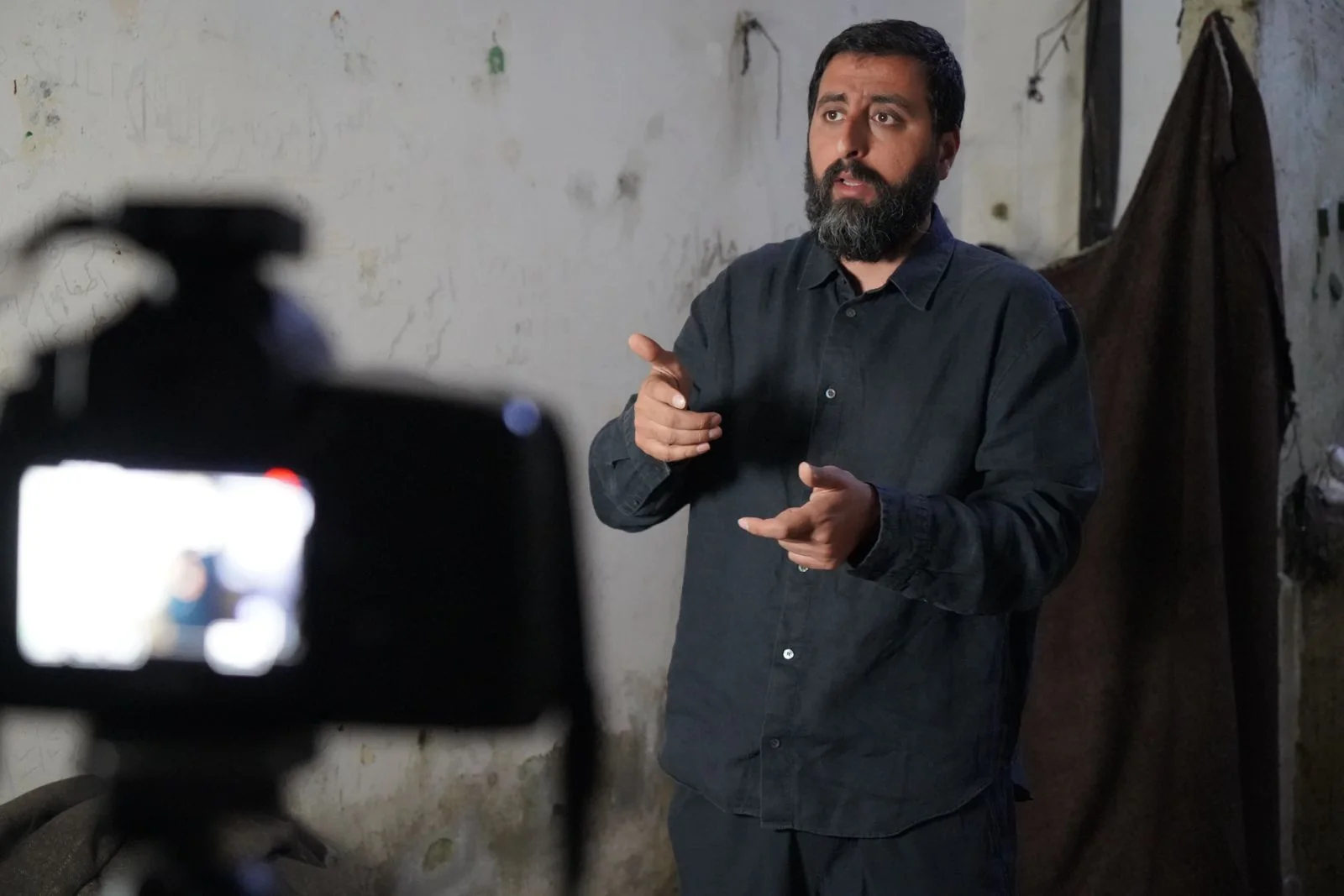
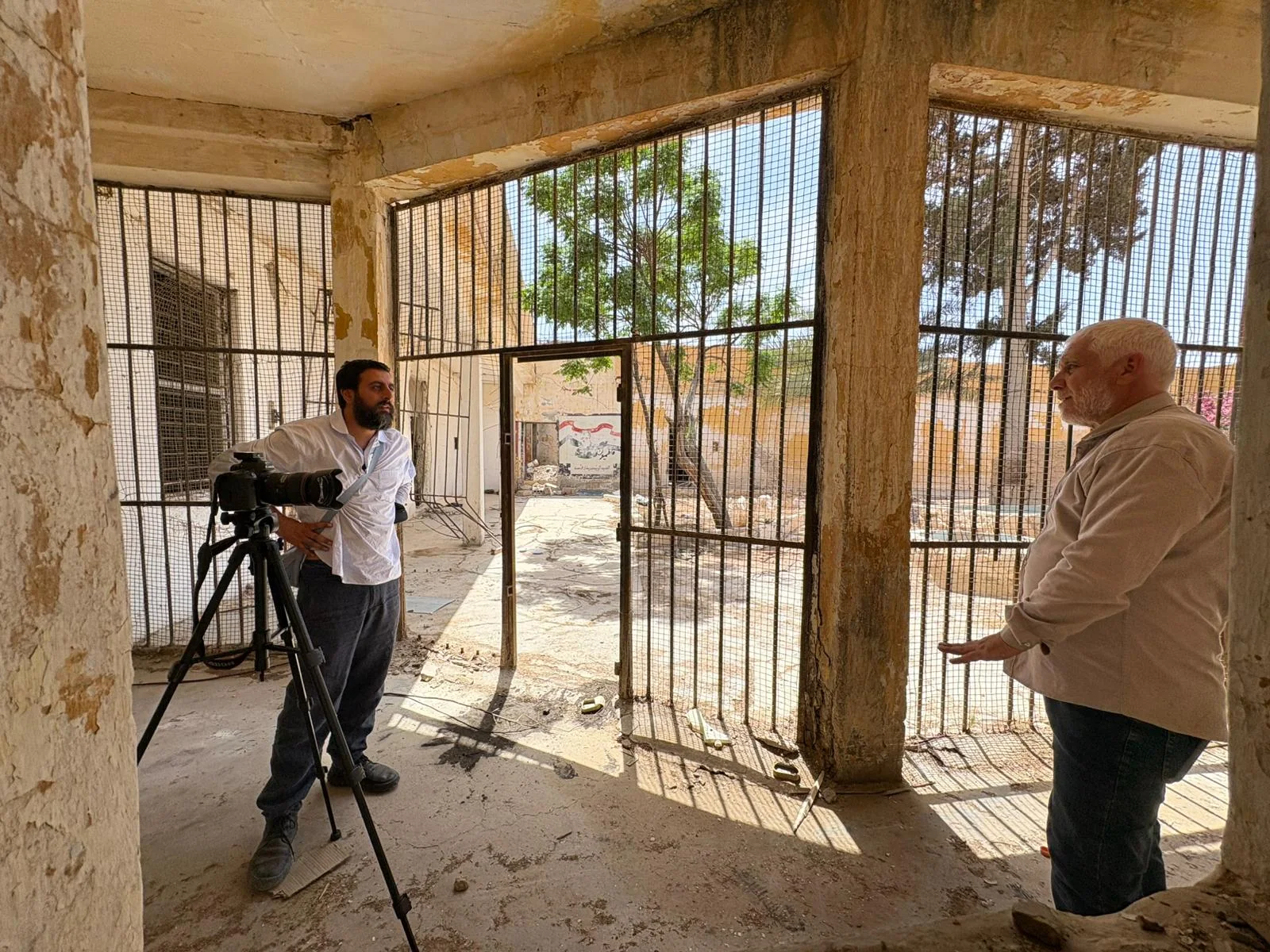
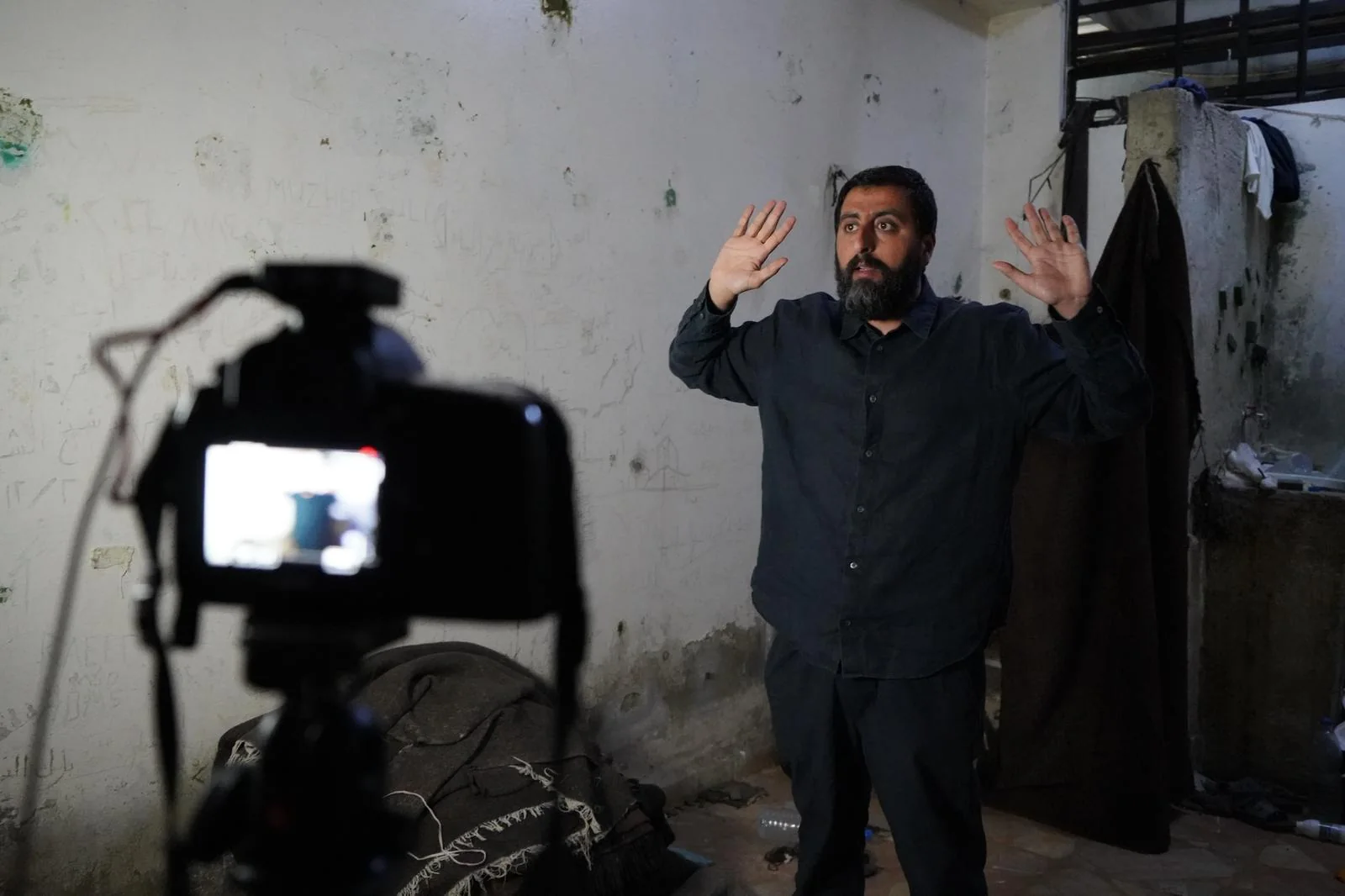
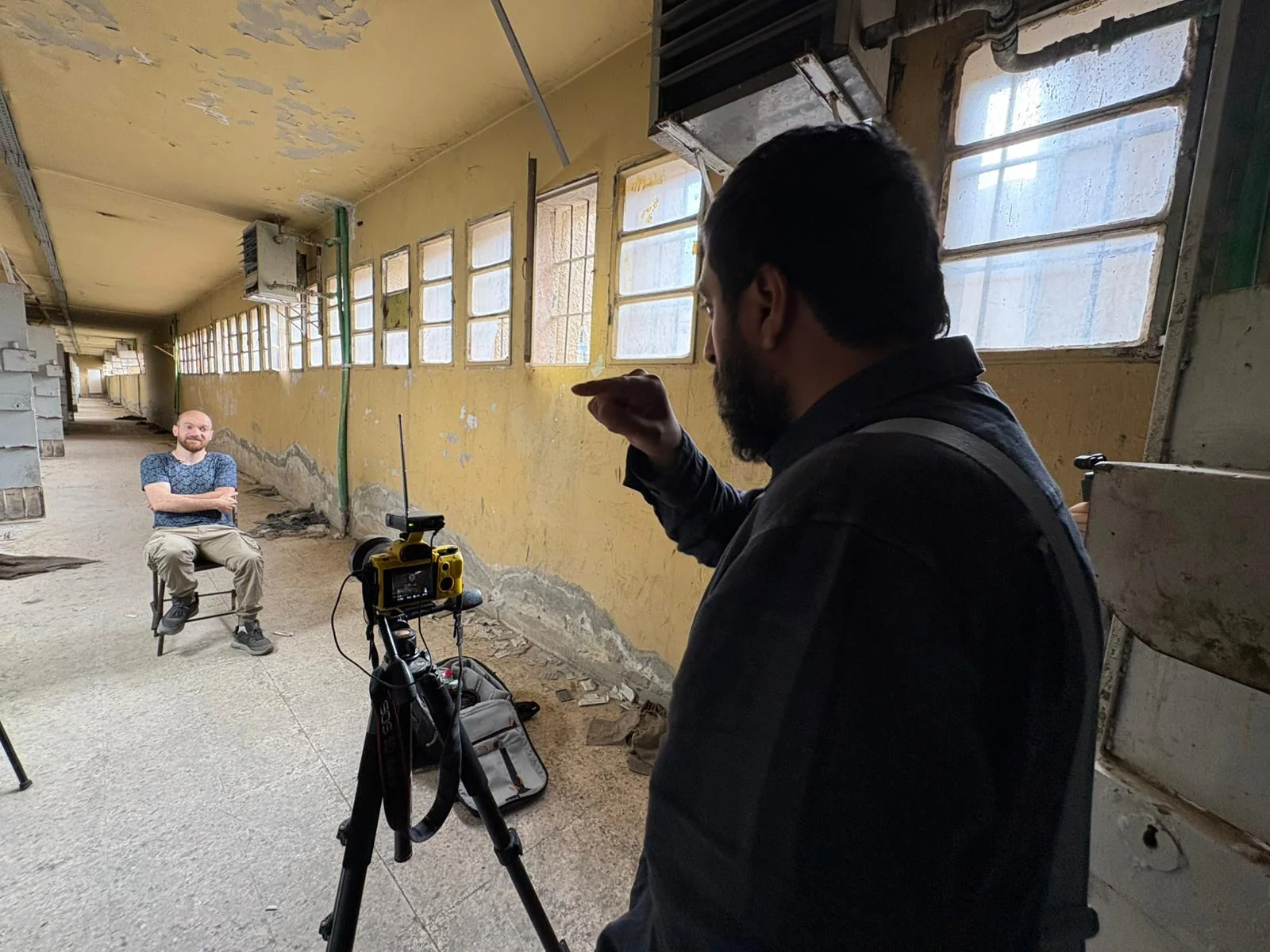
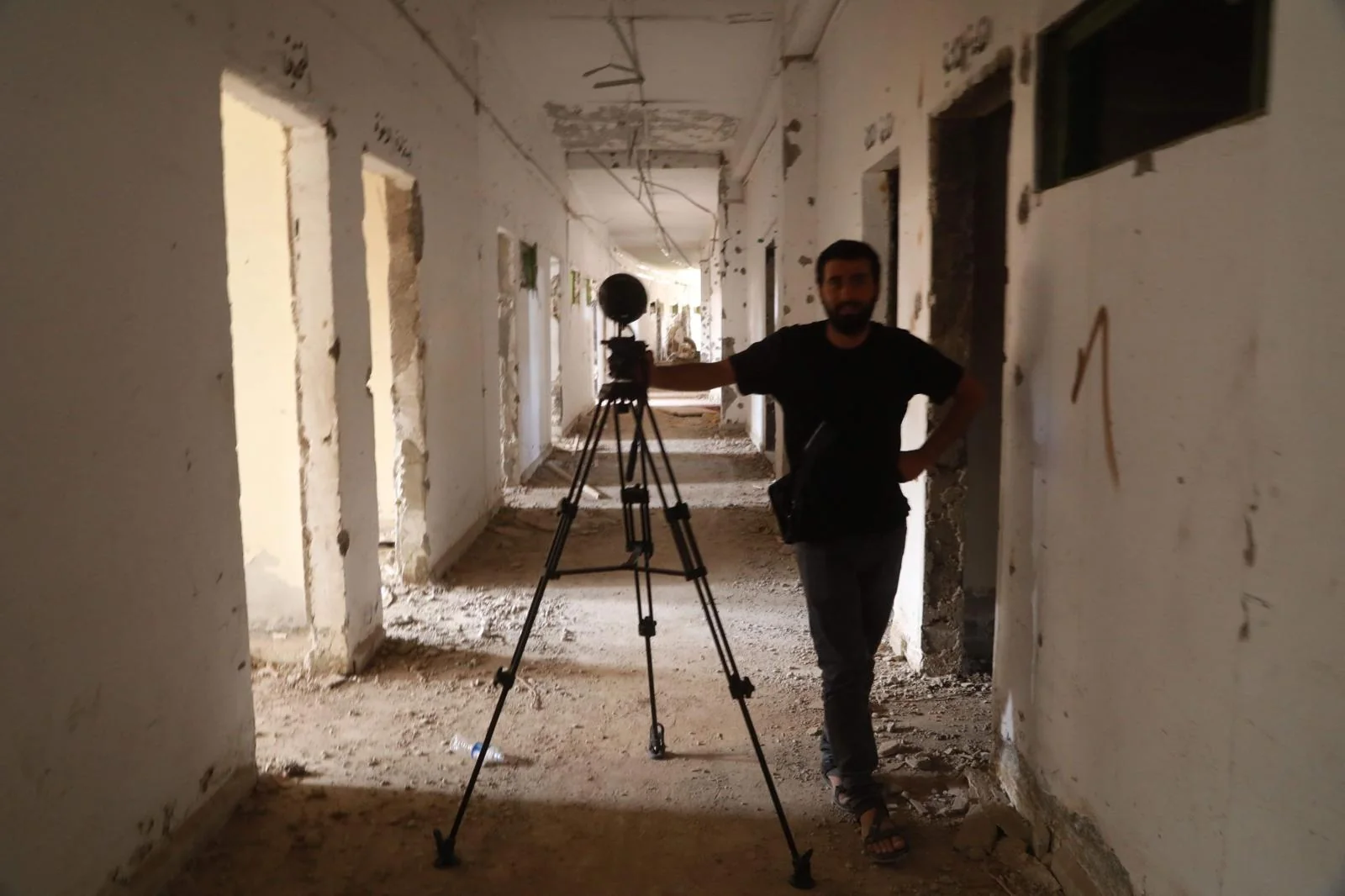
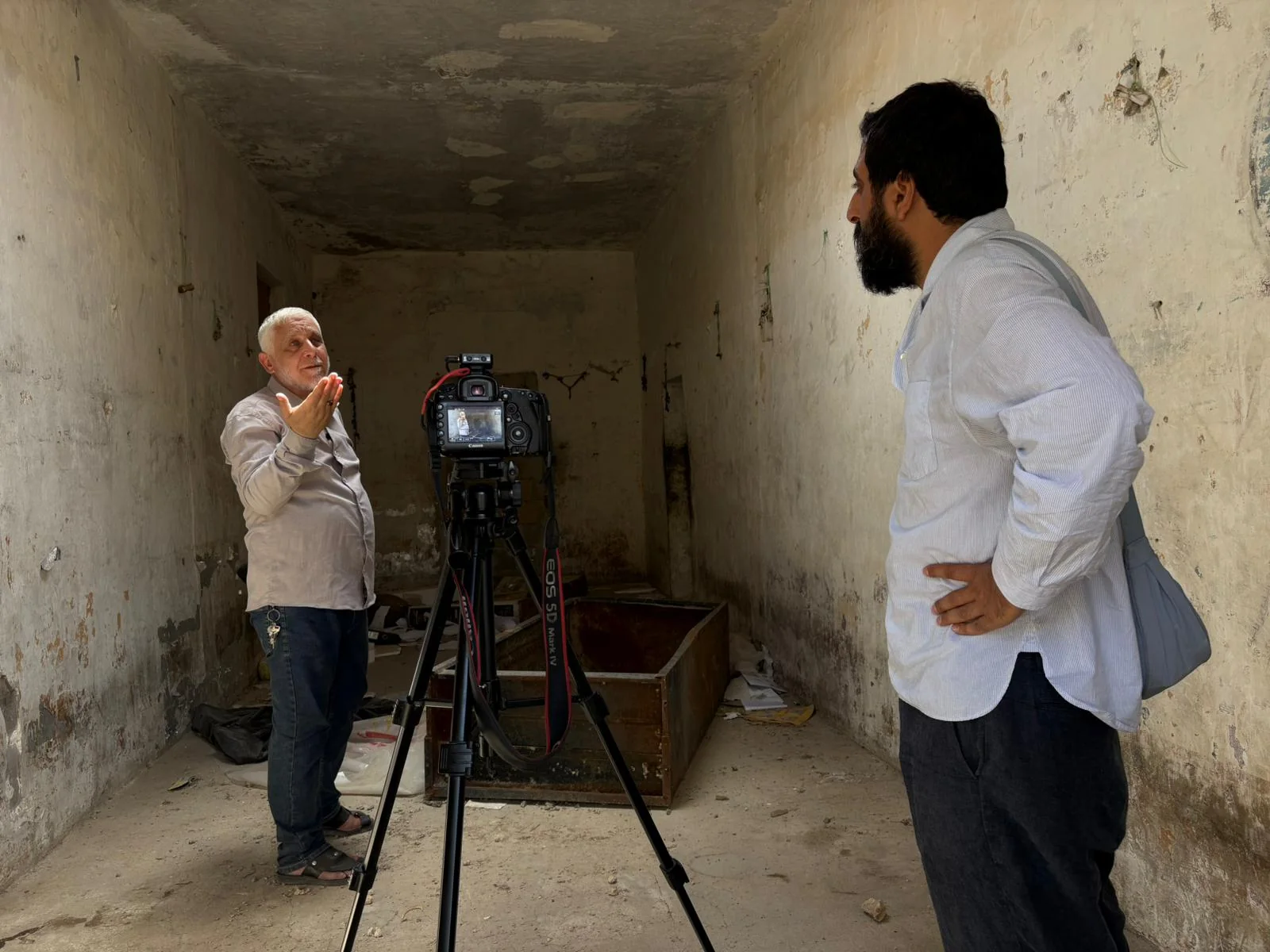
Filmed interviews were recorded inside former prisons and detention facilities so that witnesses could connect memory to cells, corridors, courtyards and other specific spaces. The location becomes part of the testimony rather than a backdrop.
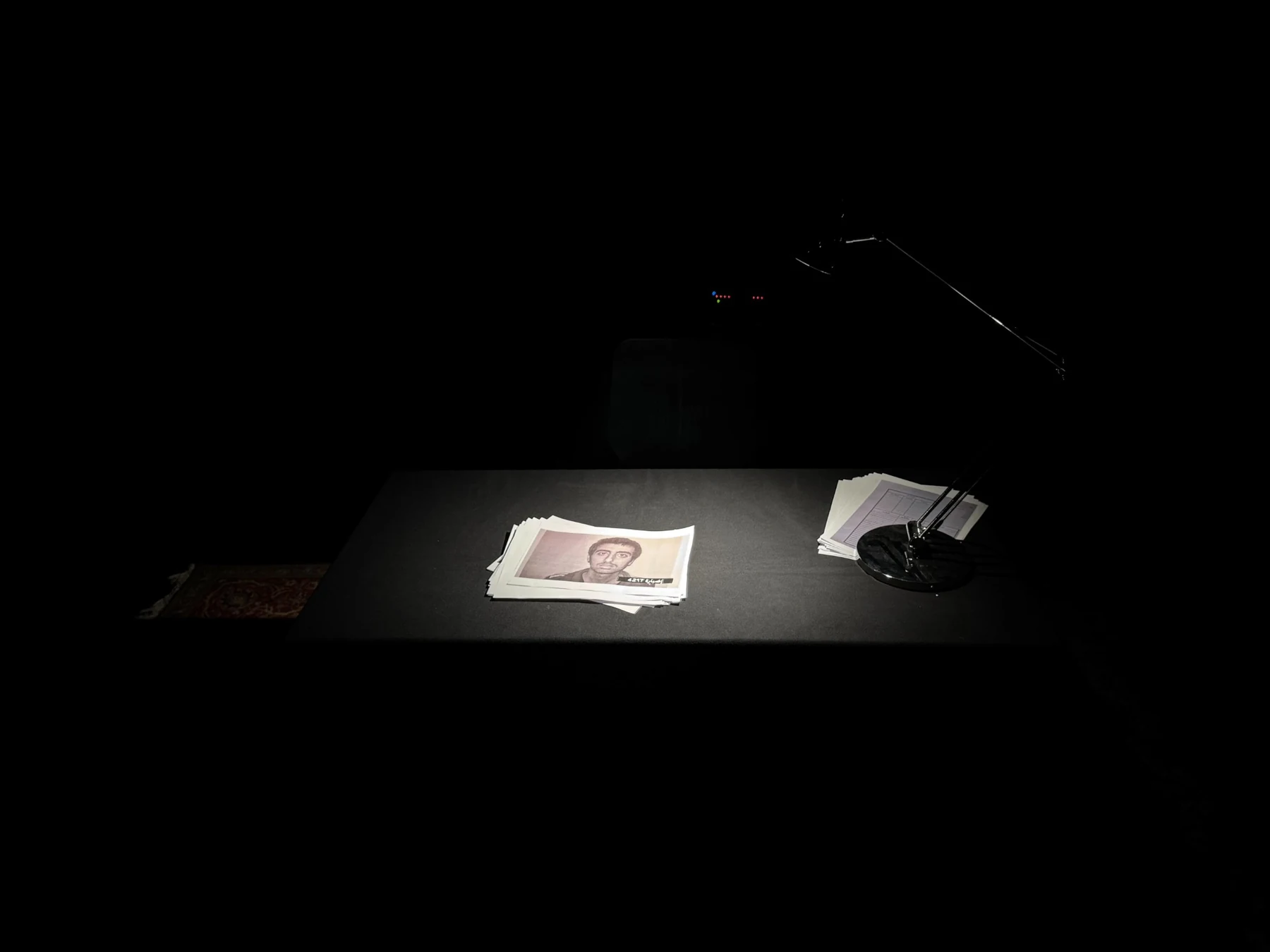
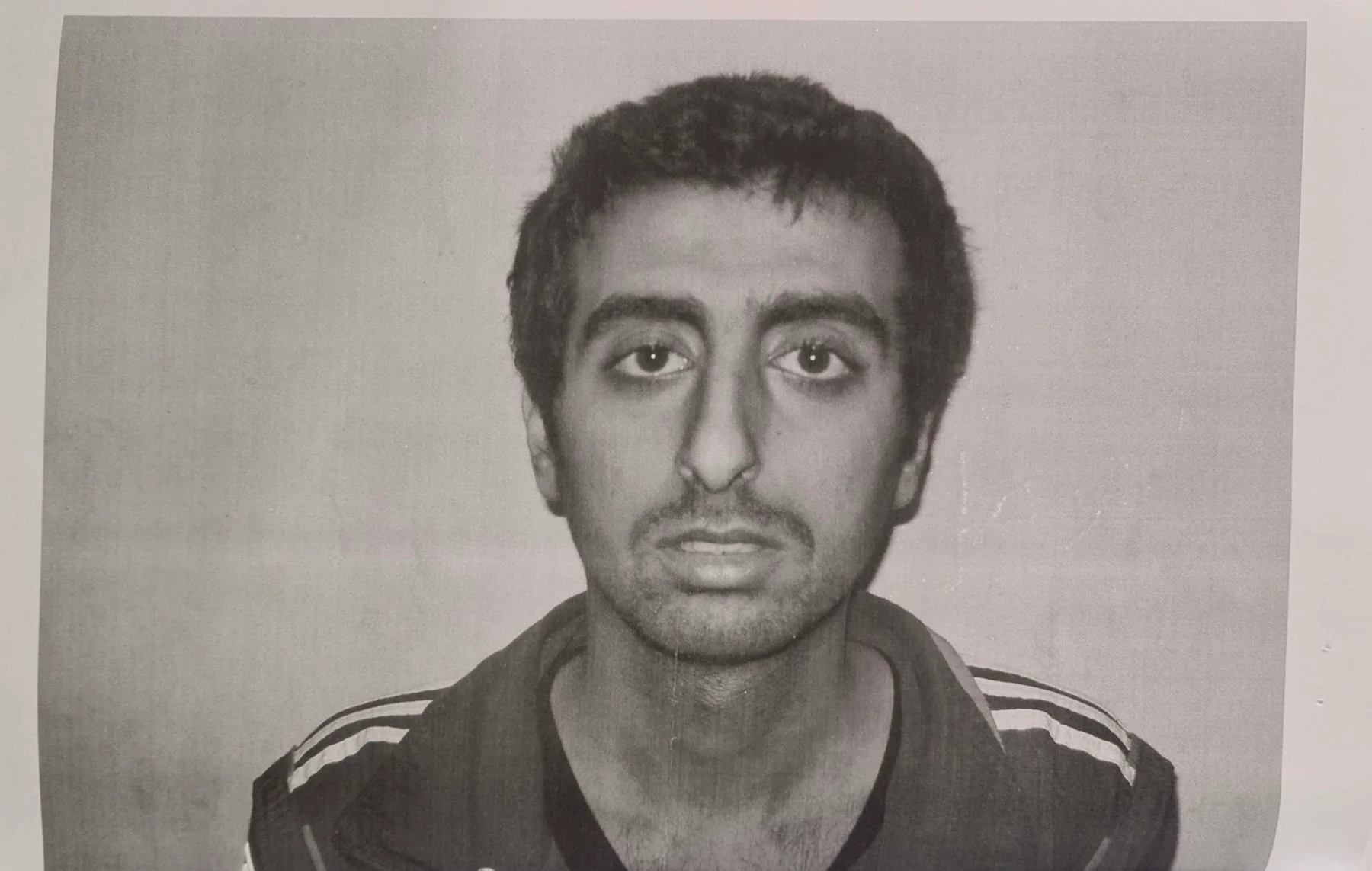
A public presentation built around documents from Matar’s personal security file. The file was read on stage while archival material and the detention photograph were projected as part of a discussion on memory and accountability.
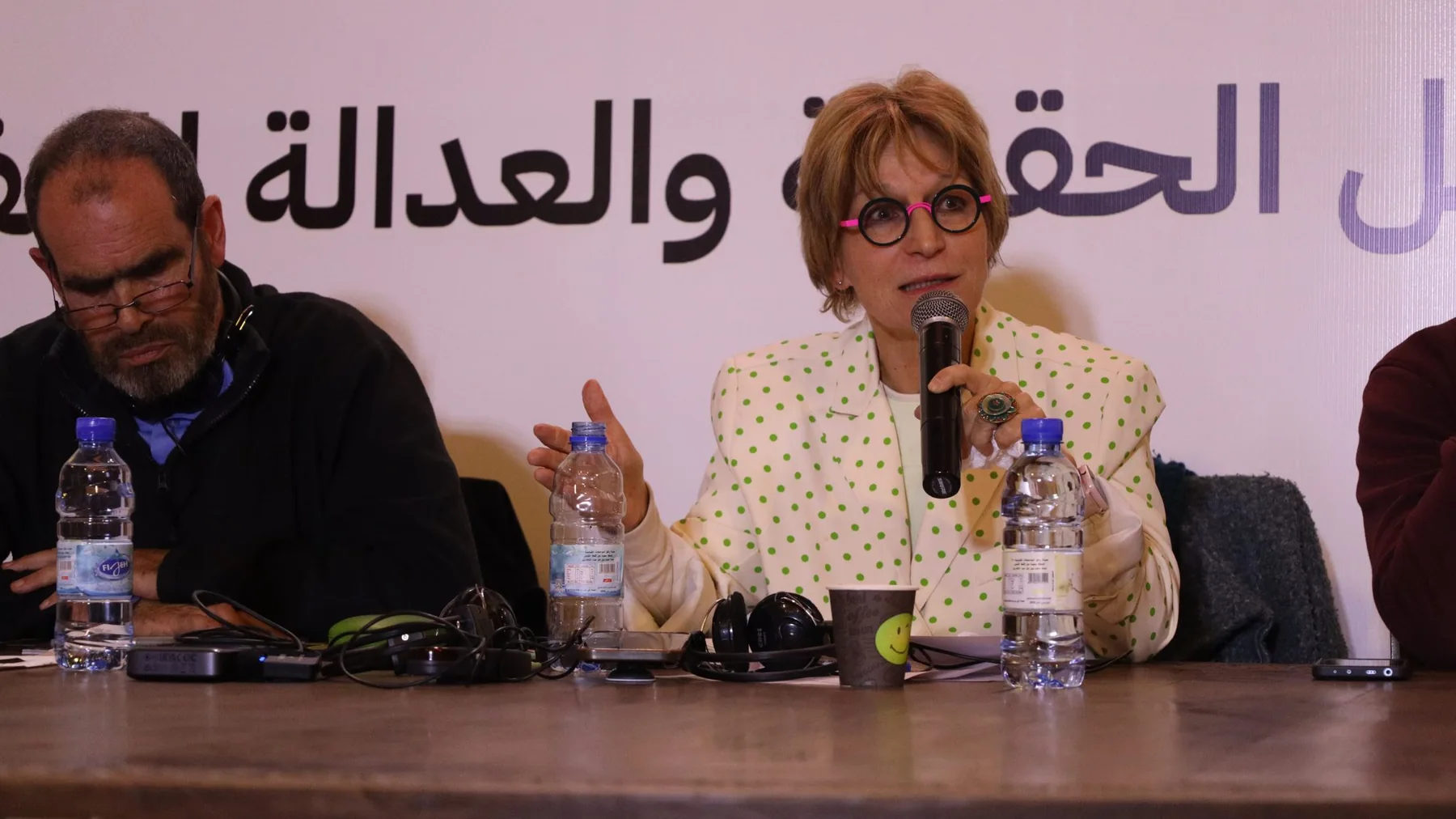
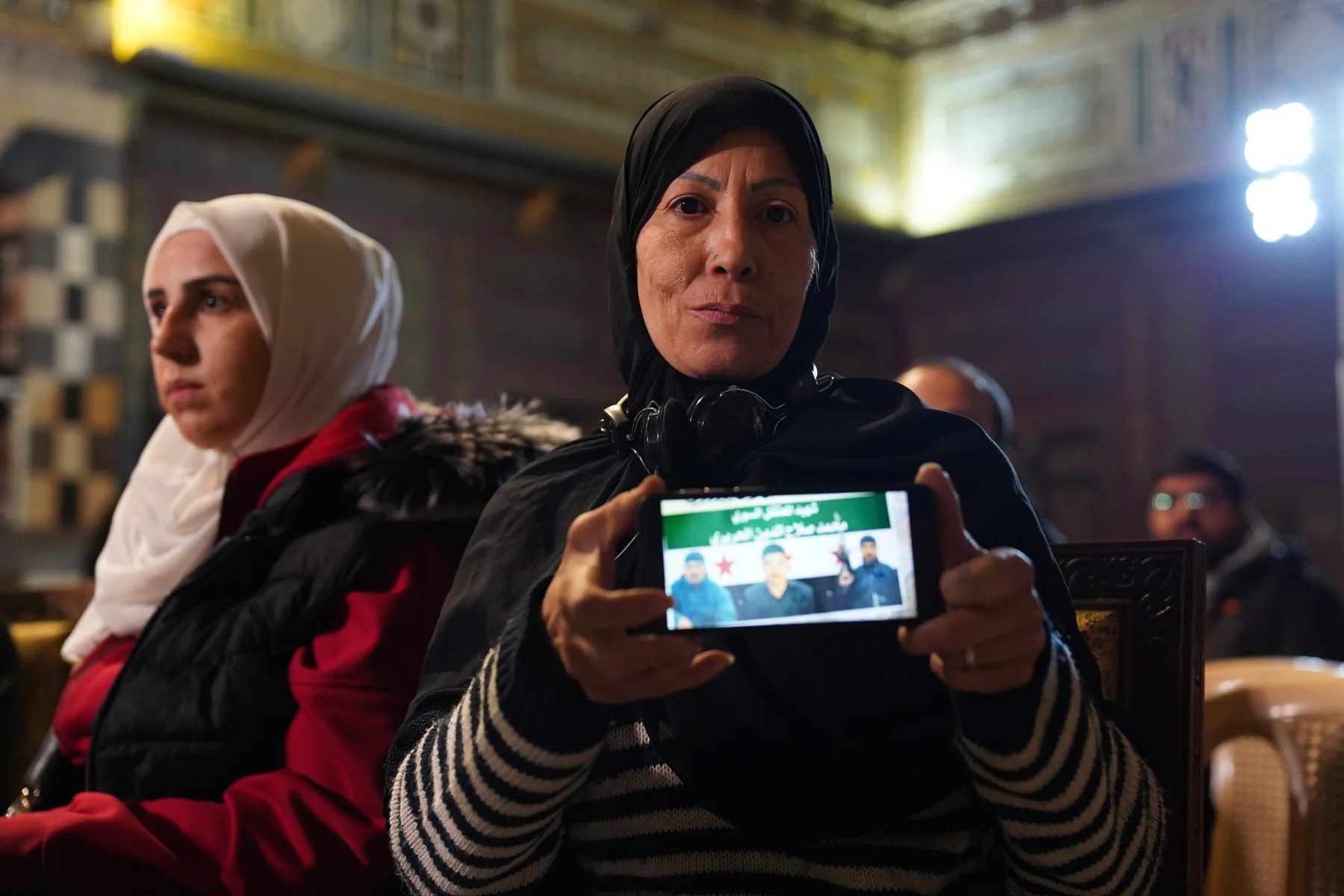
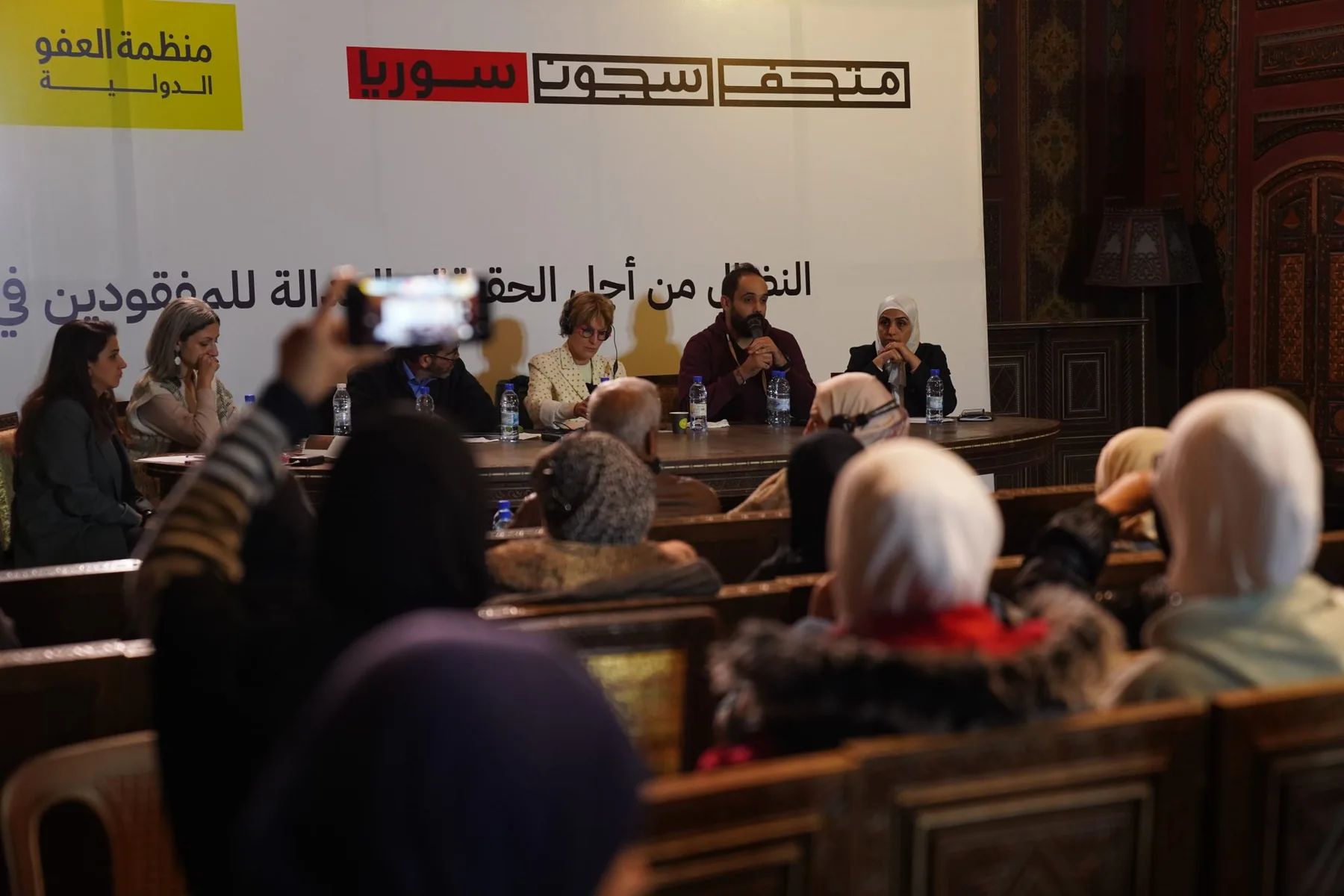
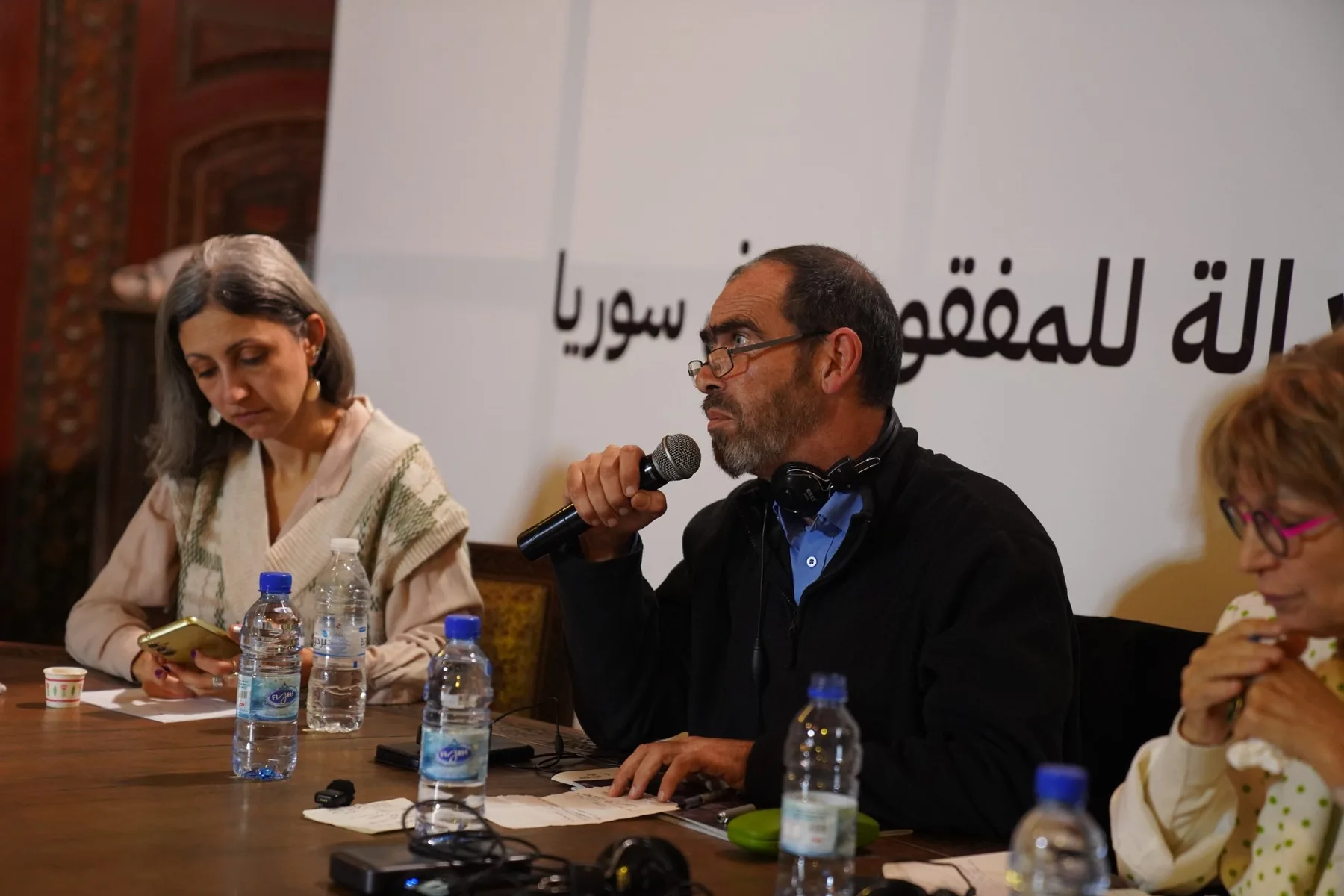
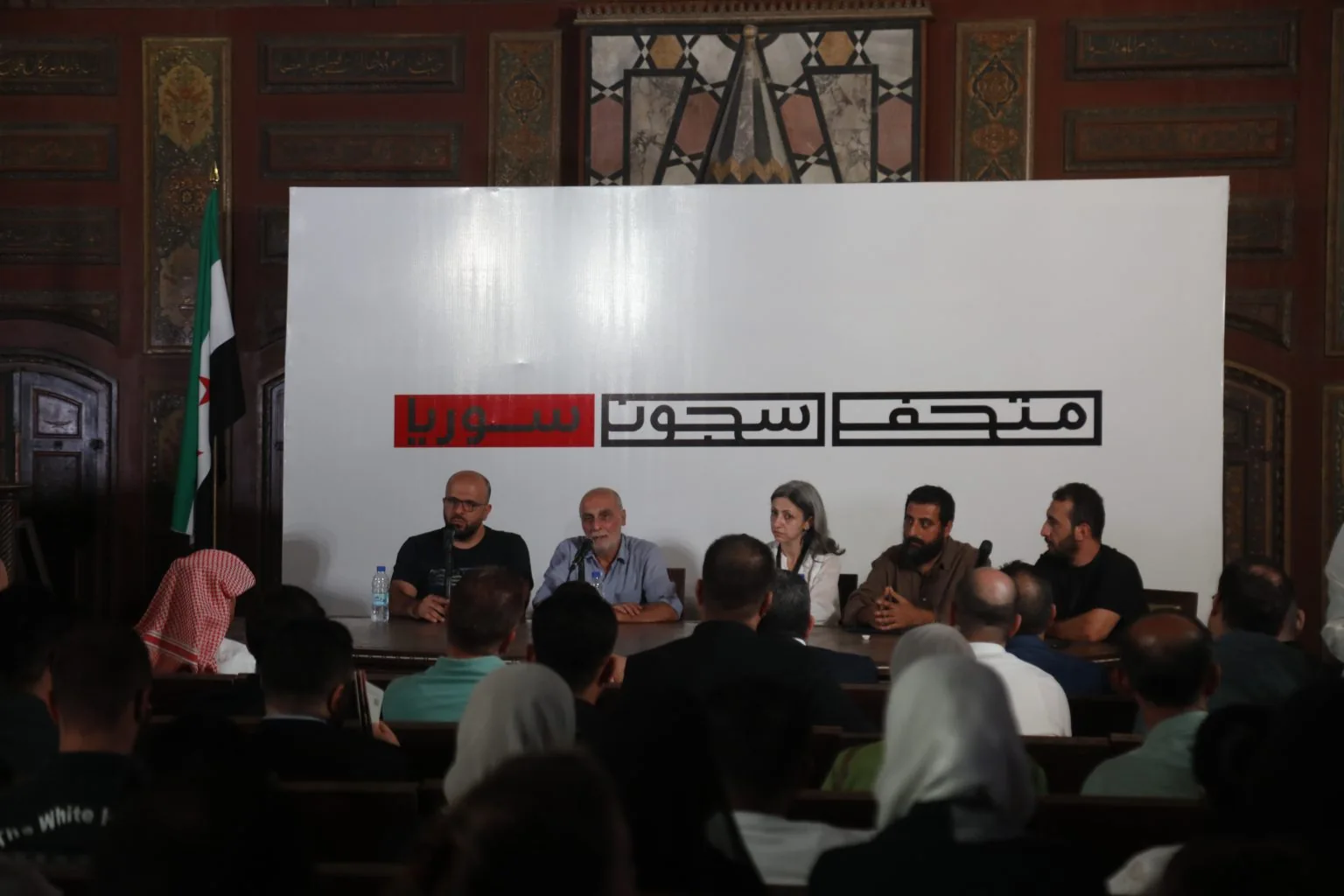
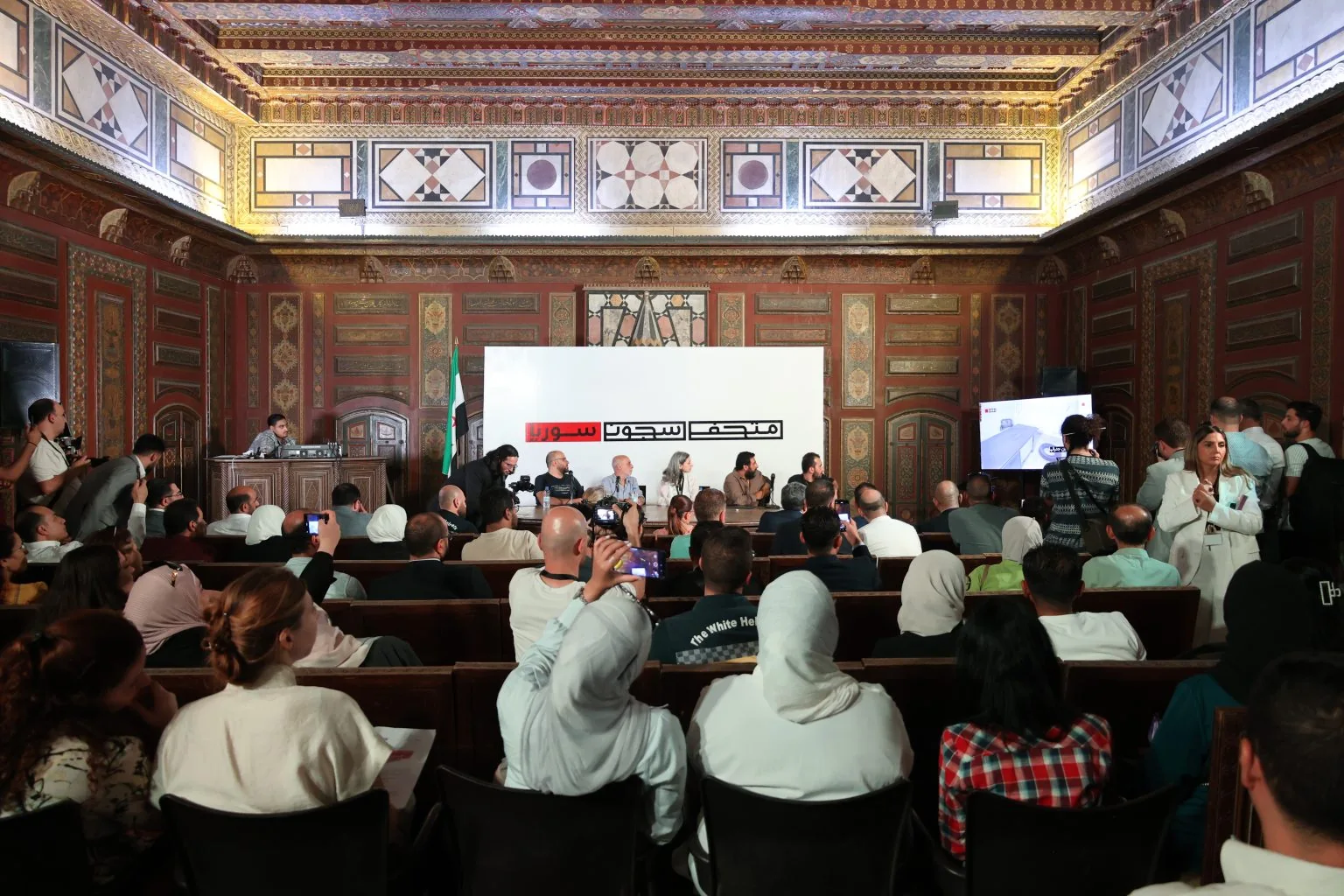
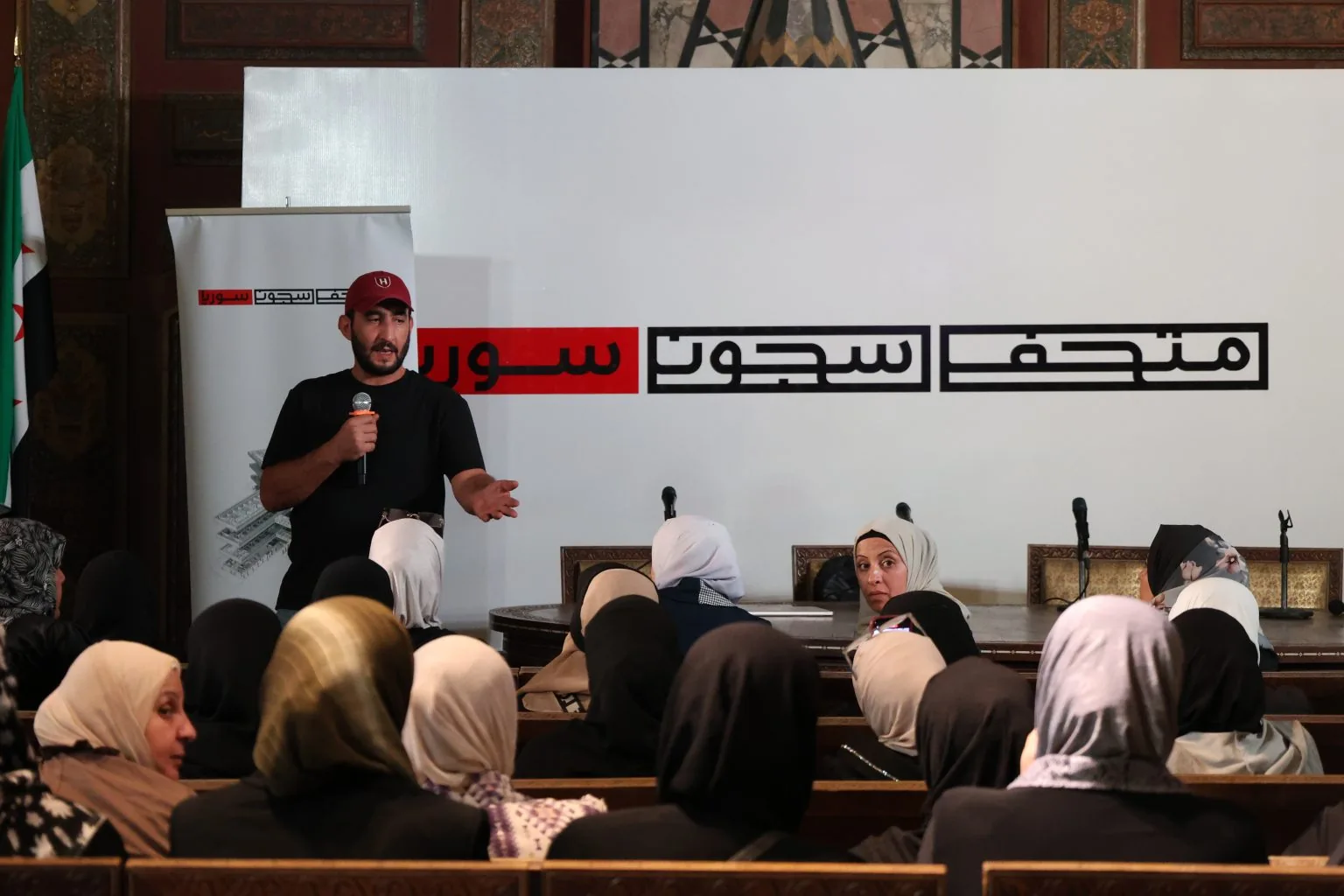
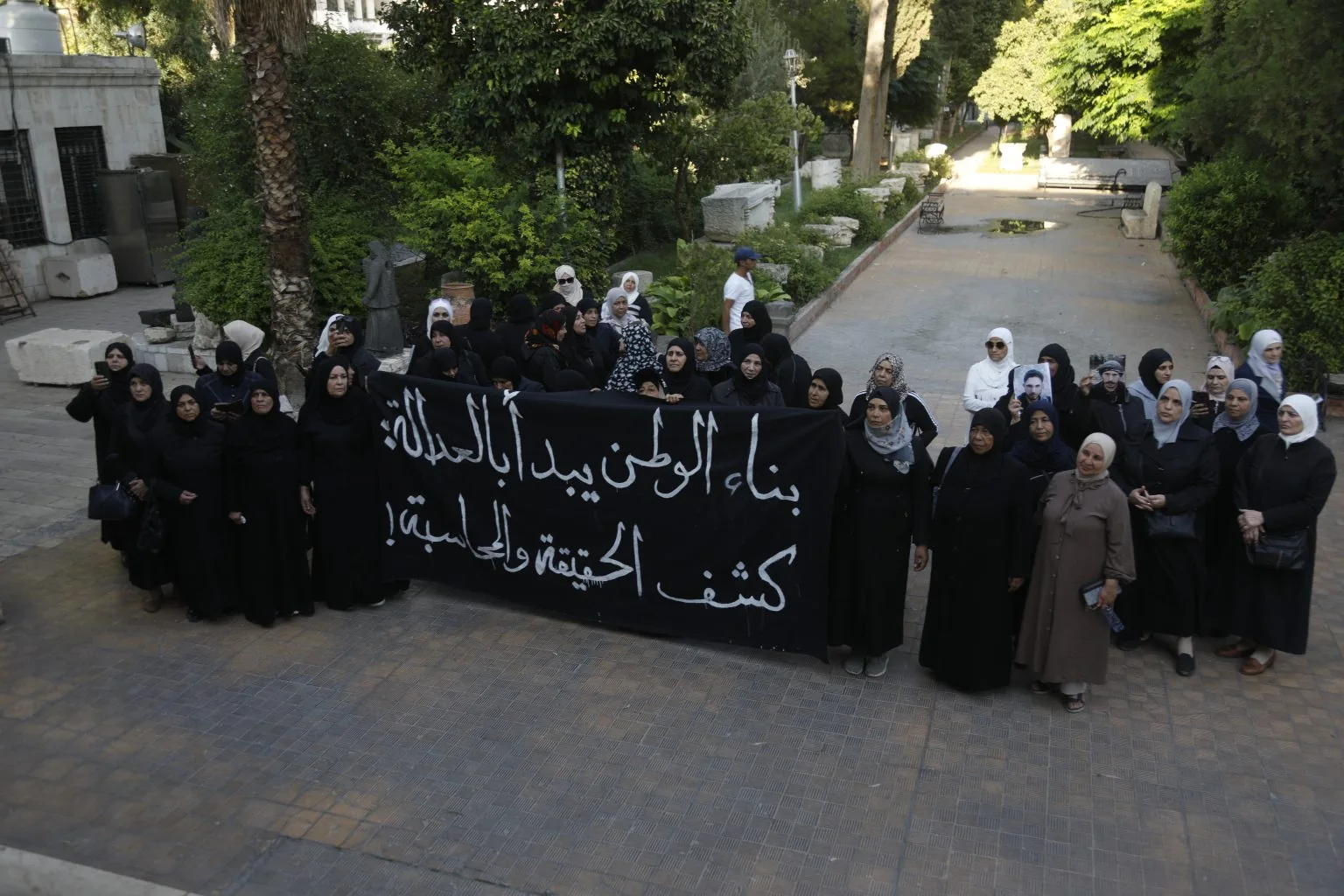
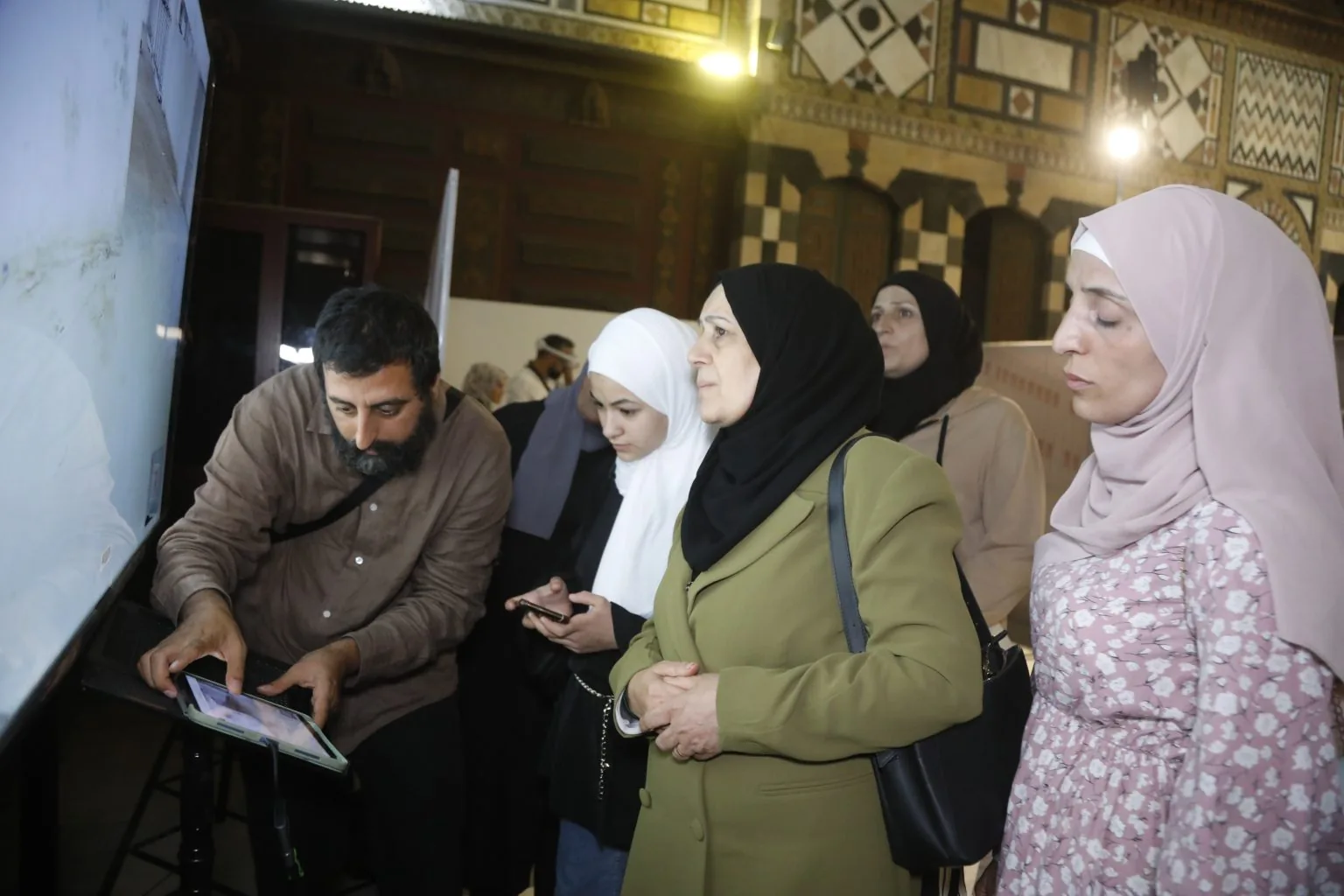
The Syria Prisons Museum organized a joint event with Amnesty International, “The Struggle for Truth and Justice,” at the National Museum in Damascus, coinciding with the launch of a special investigation into Branch 215 of the Military Intelligence Division in Kafr Sousa. Secretary General Agnes Callamard spoke on uncovering the fate of the missing and families' right to clear answers; the museum's methodology and the new investigation were presented, and the floor was opened to victims' families before a tour of the Branch 215 exhibition. A major museum investigation, it combines 3D tours of the branch's two buildings, filmed testimonies of eight survivors and analysis of thousands of internal documents, reconstructing the branch’s institutional structure and documenting more than 1,500 deaths there between 2011 and 2020.
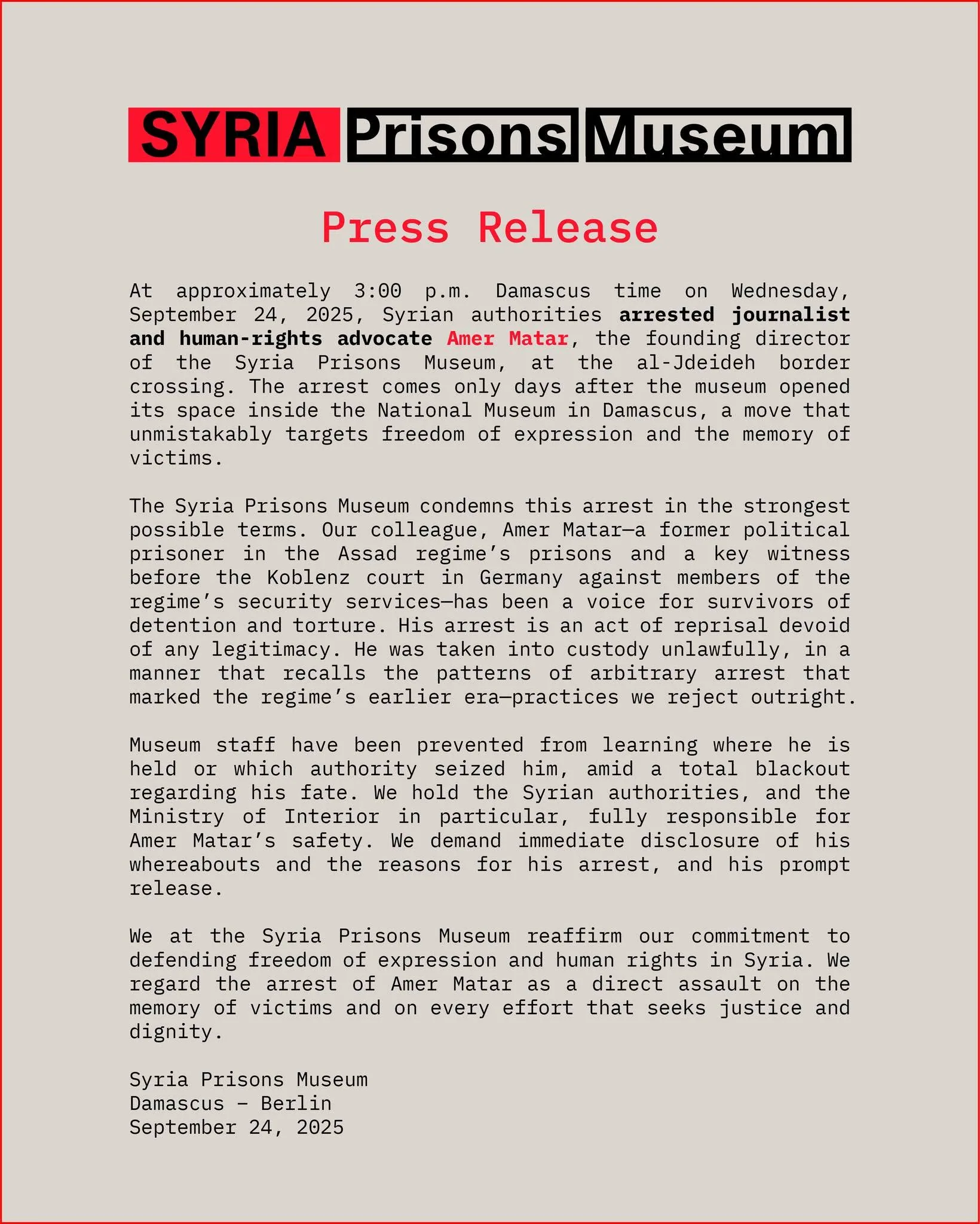
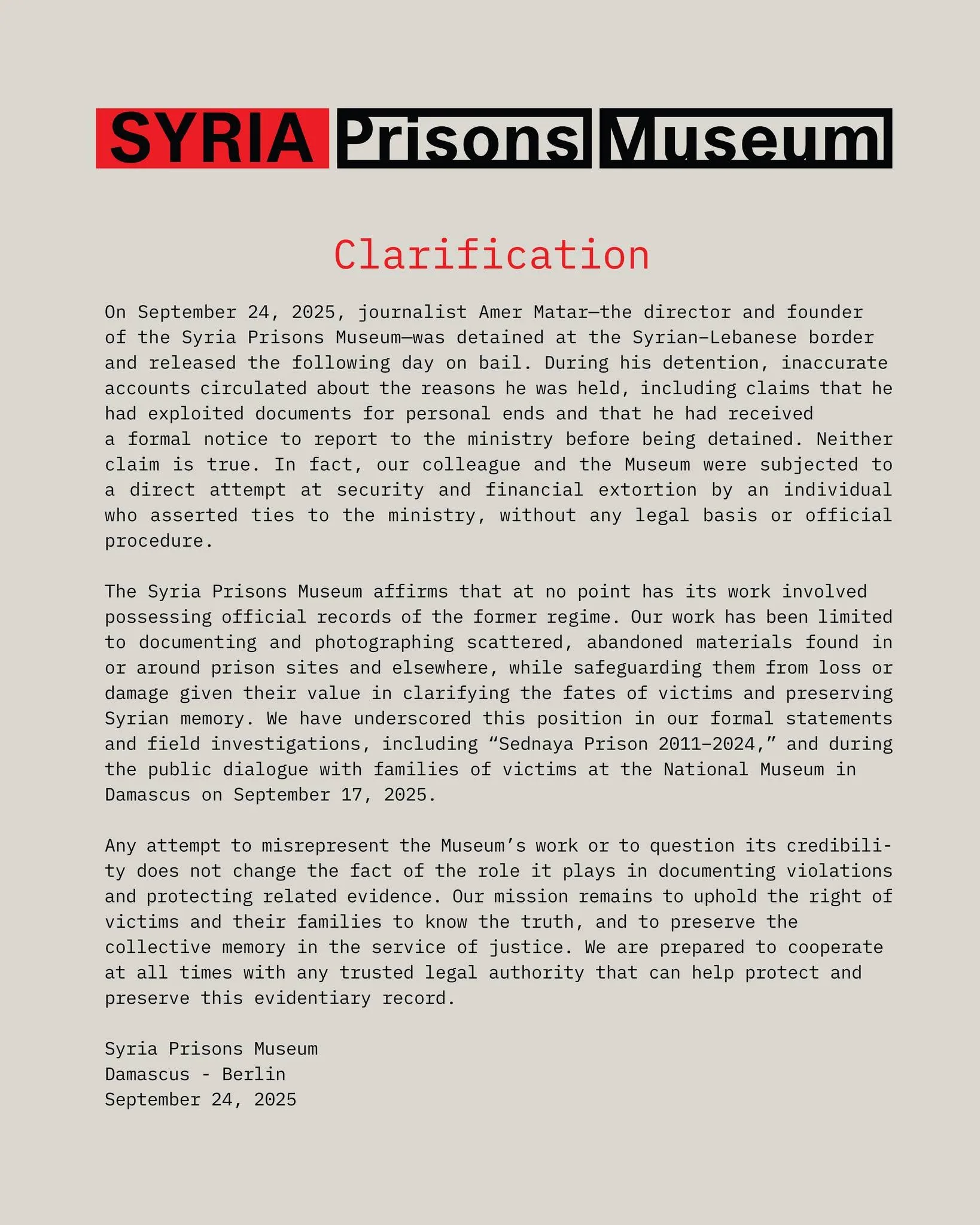
Nine days after the launch of the Syria Prisons Museum, Amer Matar was arrested at the Syrian–Lebanese border on 24 September 2025 and released on bail the next day. Matar describes the accusation related to the museum’s documentation work as fabricated. The museum’s statements rejected the allegations, explained its work documenting materials at prison sites, and reported an attempted security and financial extortion.
The Syria Prisons Museum launched publicly at the National Museum in Damascus, beginning with the Sednaya Military Prison file and expanding the project’s documentation of the prison and security-branch system through place, documents and testimony.
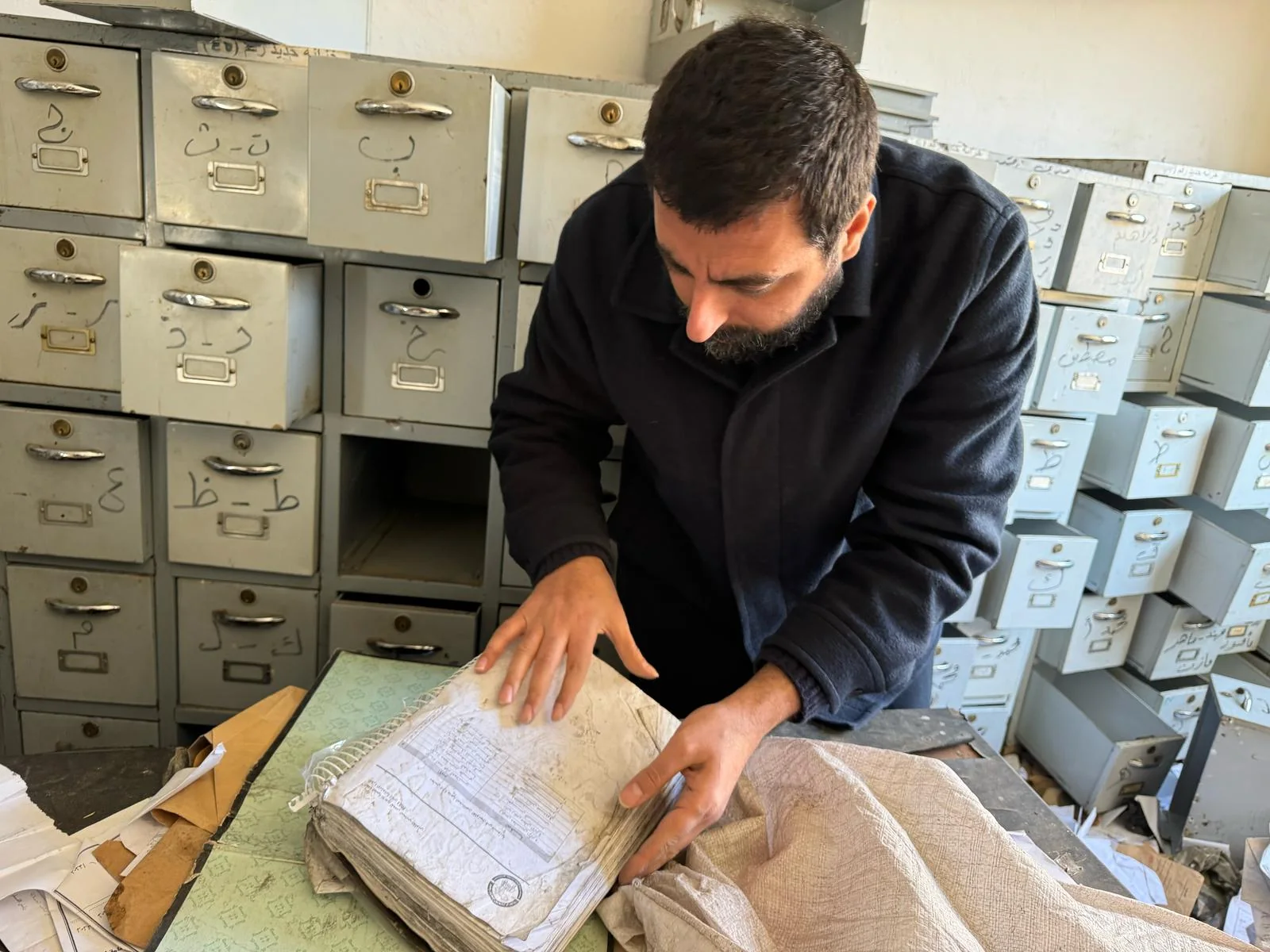
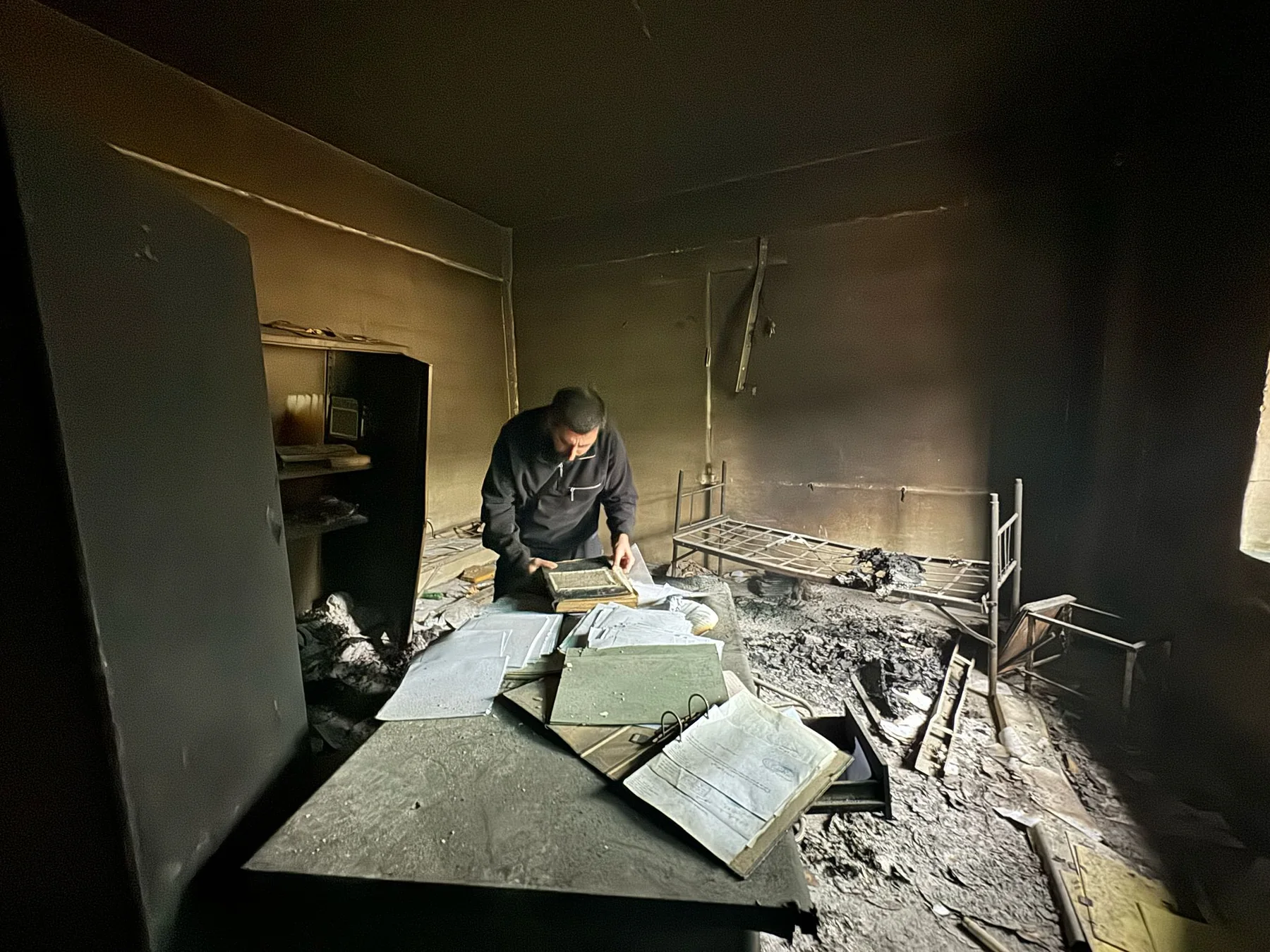
Inside former detention and security facilities, the team identified, photographed and digitised records in situ before further loss, without removing documents from those sites. The files are treated as evidence of how the detention system moved people and information between institutions.
Publicly launched the Prisons Museum as a specialised project and developed its institutional structure while preparing for legal registration in Germany.
Fieldwork & sitesReturn · Field documentation · Syria
After the fall of the Assad regime, Amer Matar returned to Syria and, with the Prisons Museum team, led wide-ranging documentation of prisons and security branches, including sites, documents, testimonies and spatial evidence.
The ISIS Prisons Museum was publicly launched at the National Theatre in London after years of field documentation, witness interviews, document digitisation and cataloguing, and digital reconstruction. The launch was preceded by internal testing of the platform, investigations, maps, 3D models and the links between testimony, documents and detention sites.
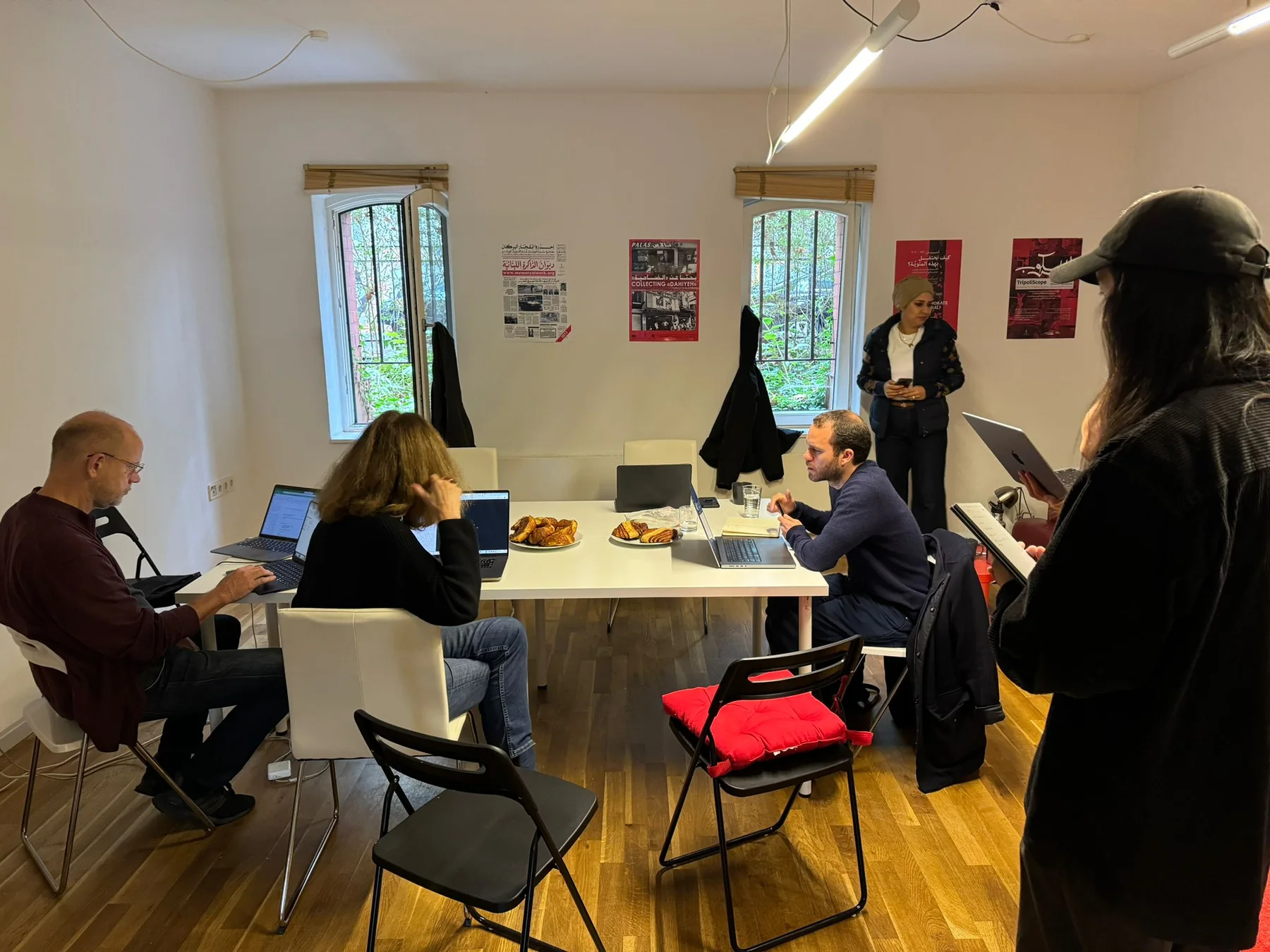
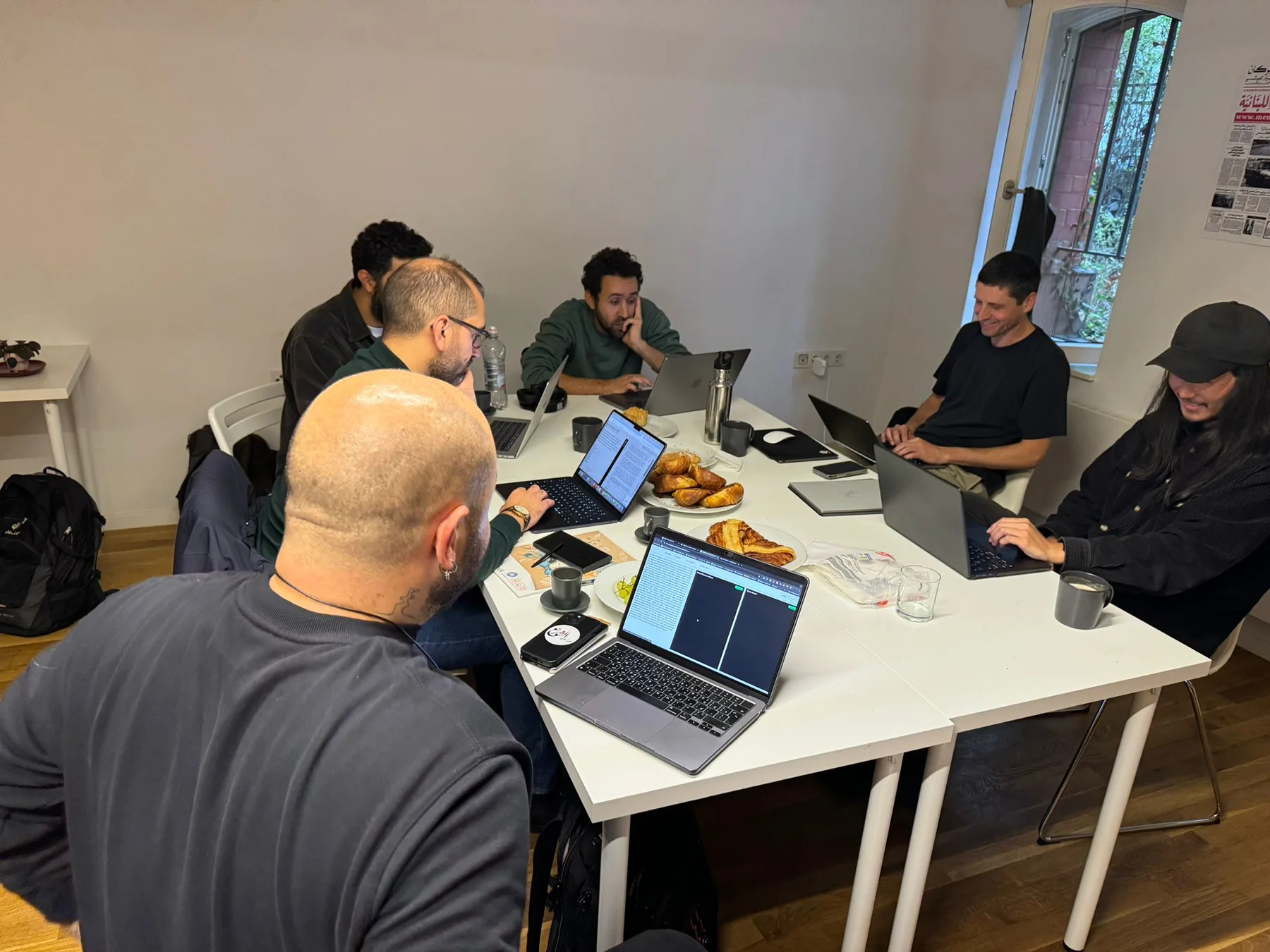
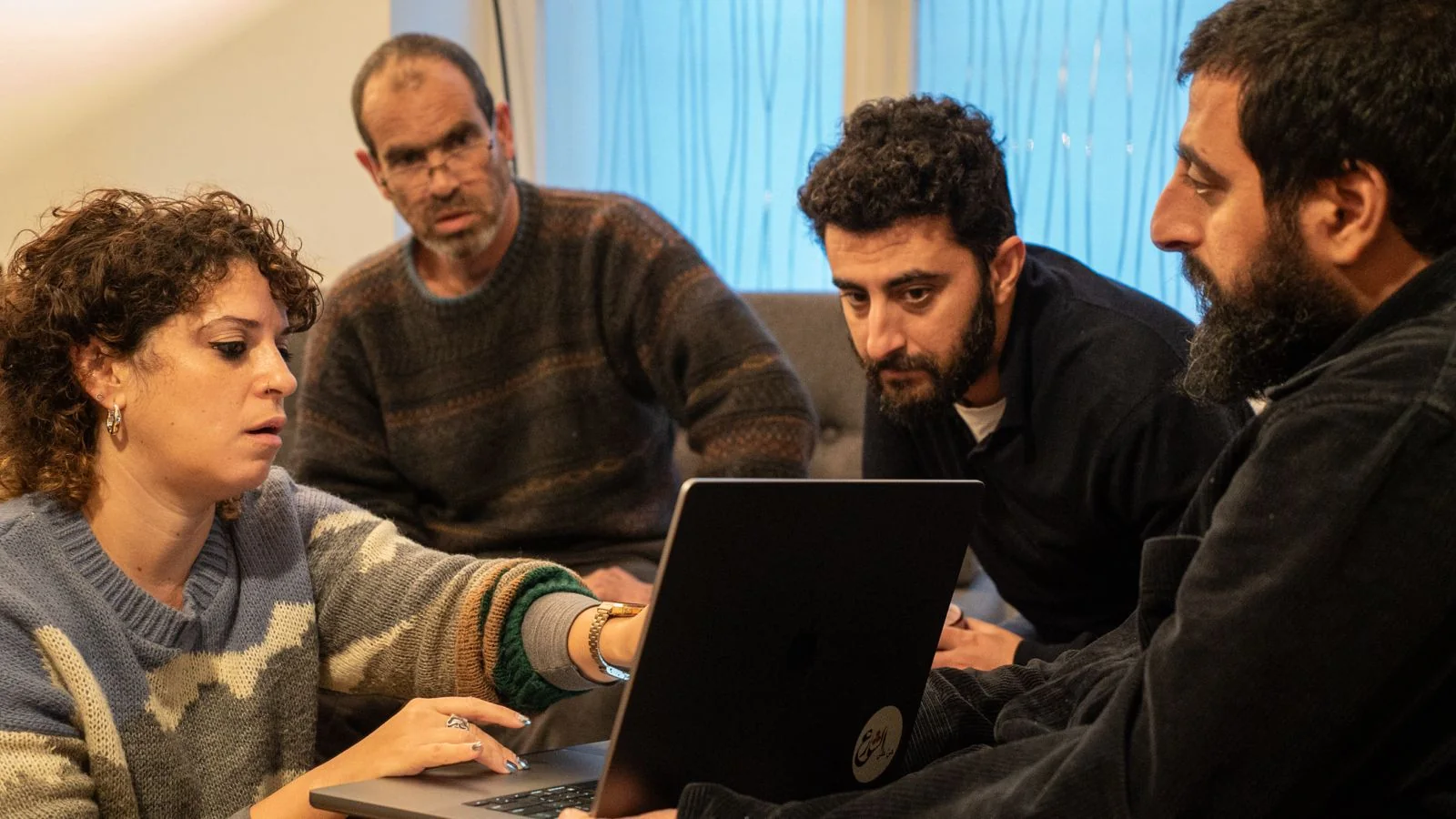
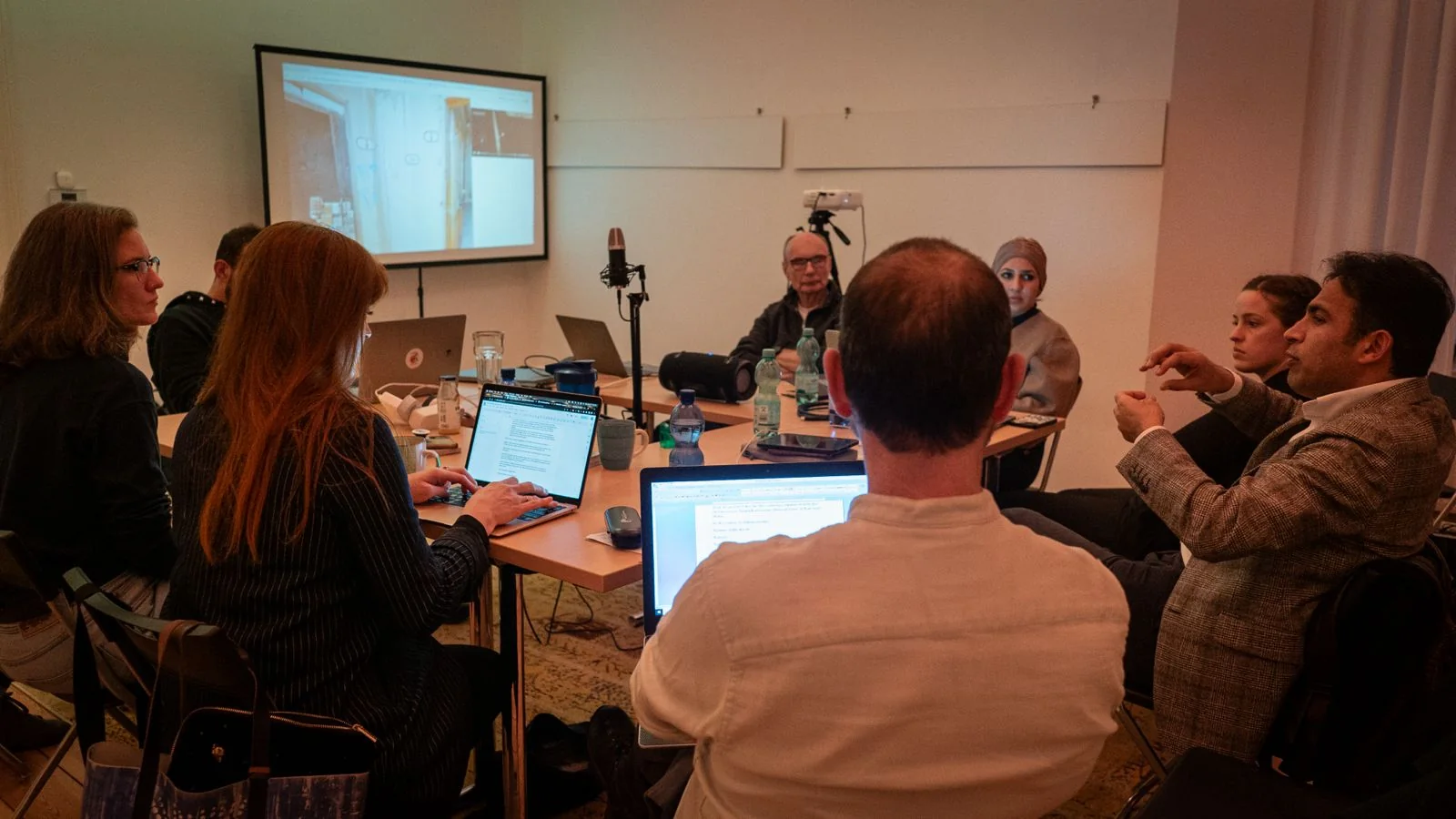
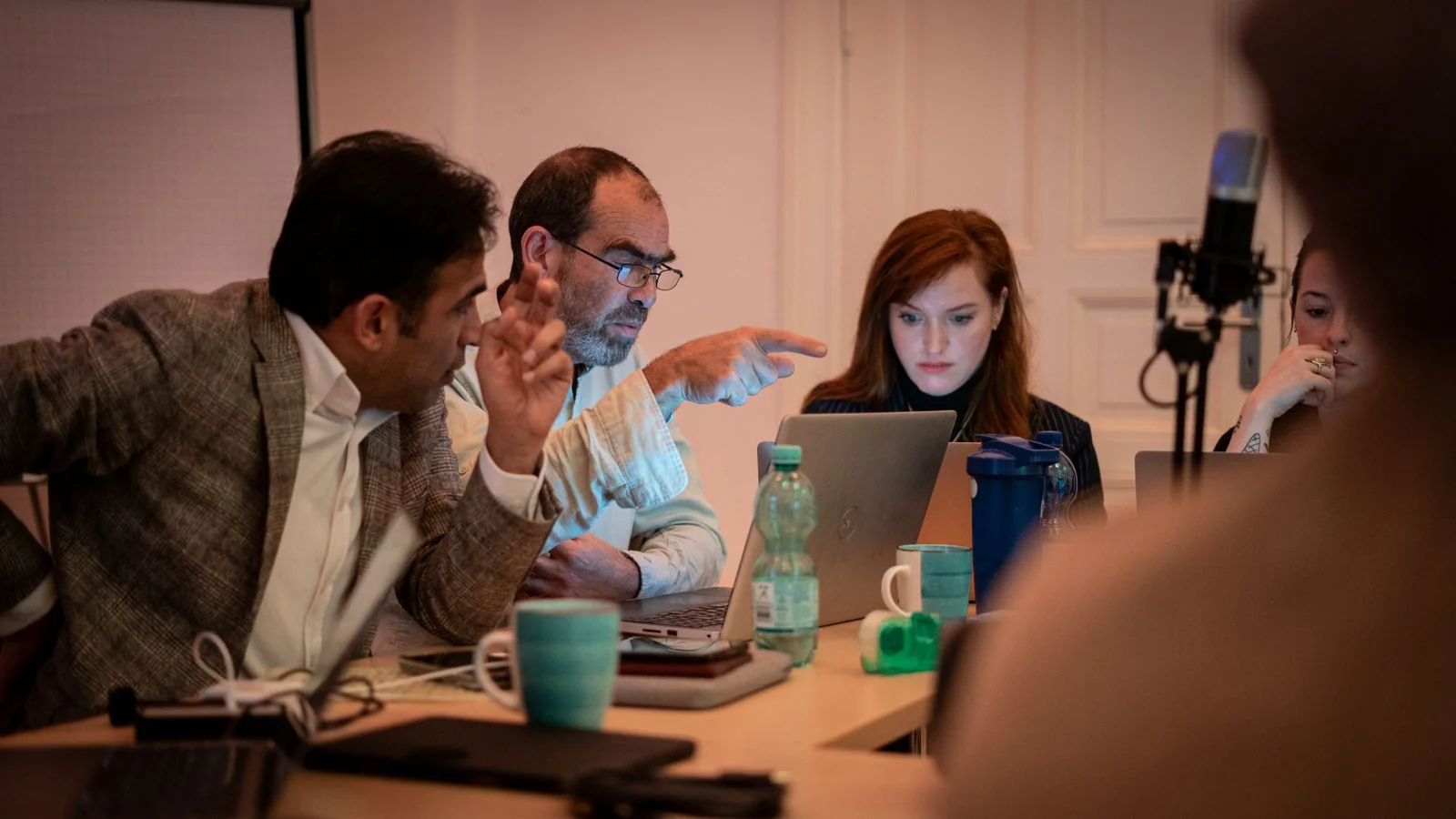
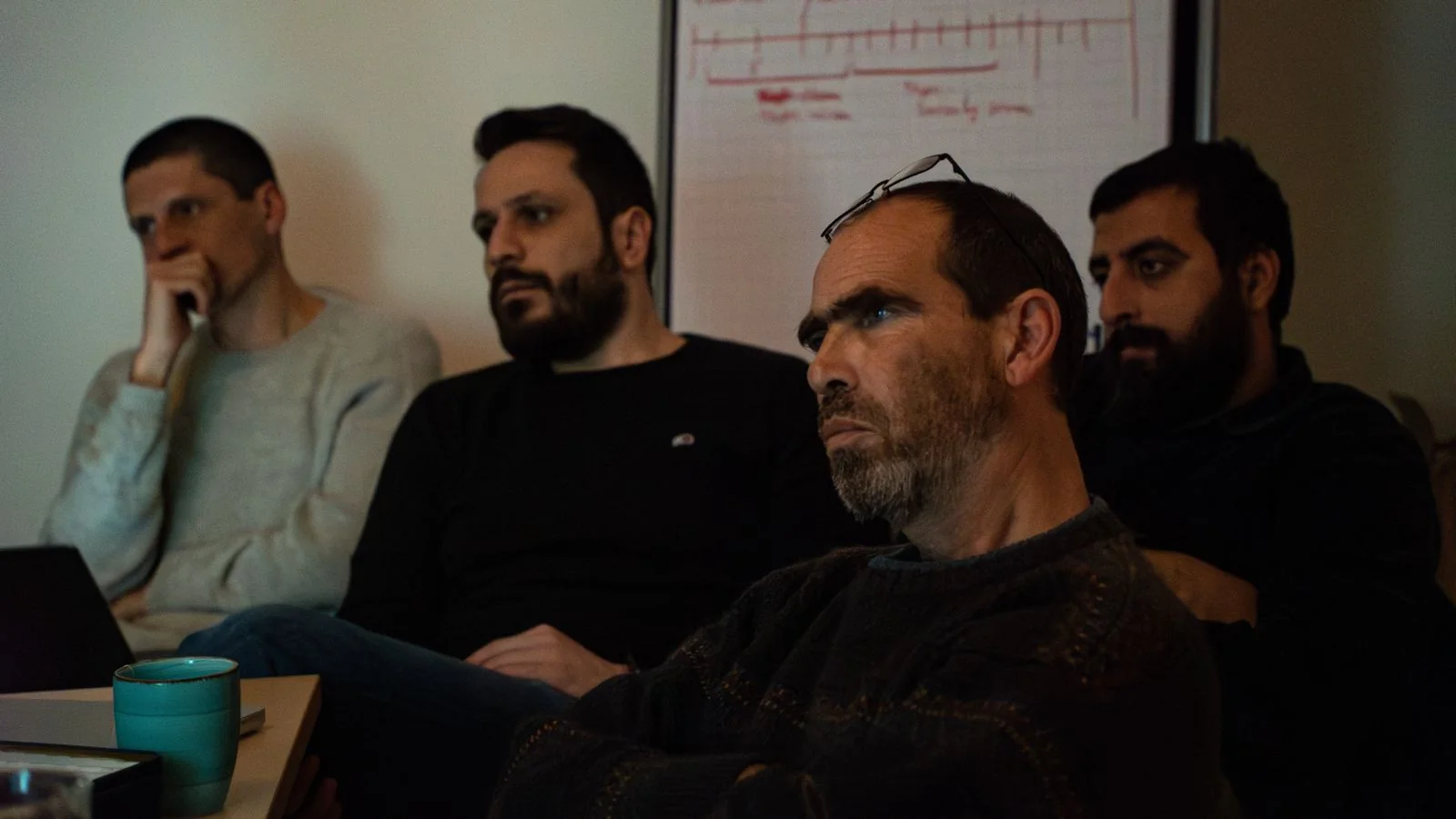
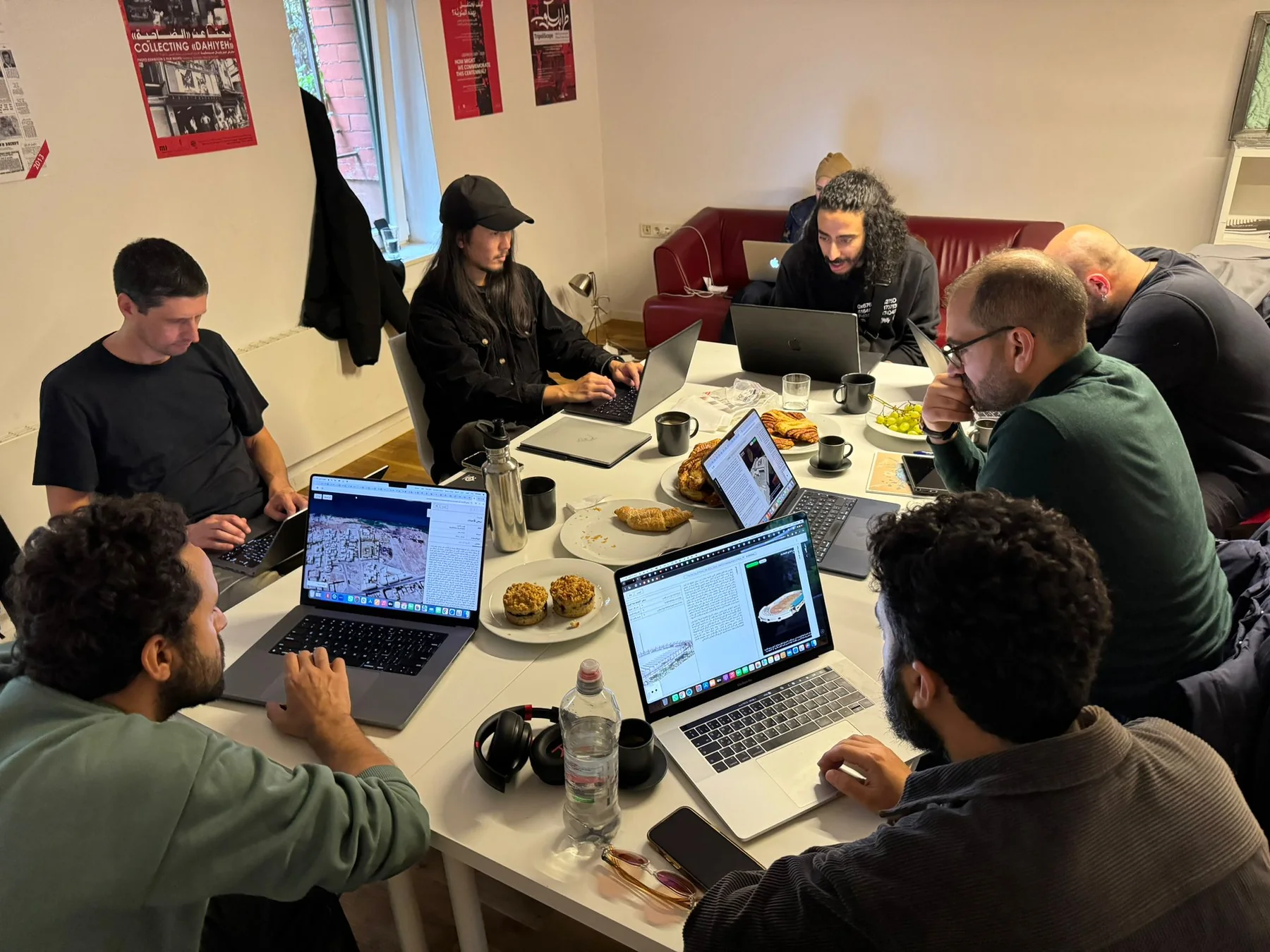
An internal Prisons Museum workshop in Berlin focused on unifying the methodology linking document, testimony and place across investigations, and on reviewing documentation and digital-reconstruction tools ahead of the public launches.
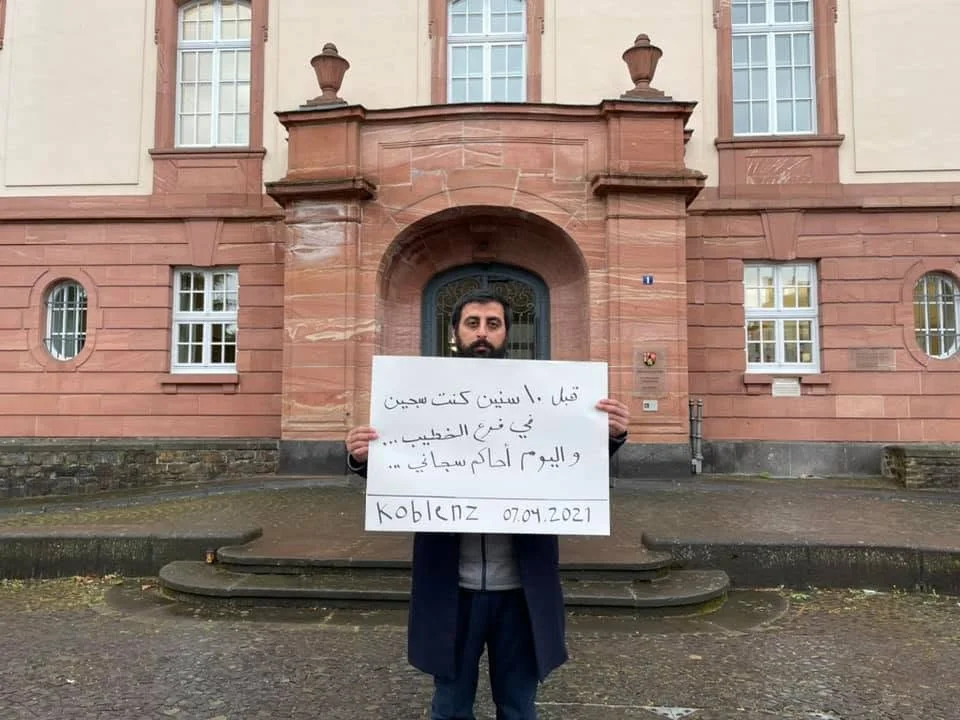
The Higher Regional Court in Koblenz convicted former Syrian intelligence officer Anwar Raslan of crimes against humanity. The verdict followed a trial in which Matar had testified about detention and torture.
Amer Matar testified before the Higher Regional Court in Koblenz in the trial of former Syrian intelligence officer Anwar Raslan, one of the most significant universal-jurisdiction proceedings concerning crimes committed by Syrian security services.
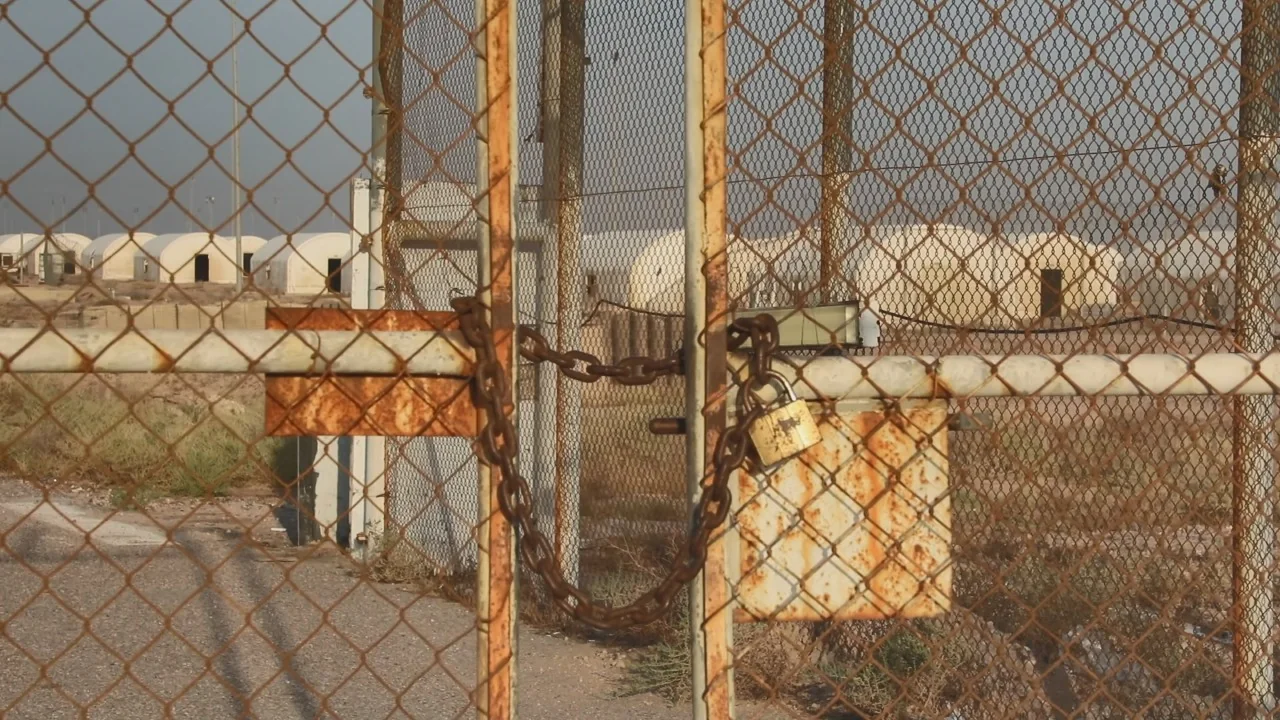
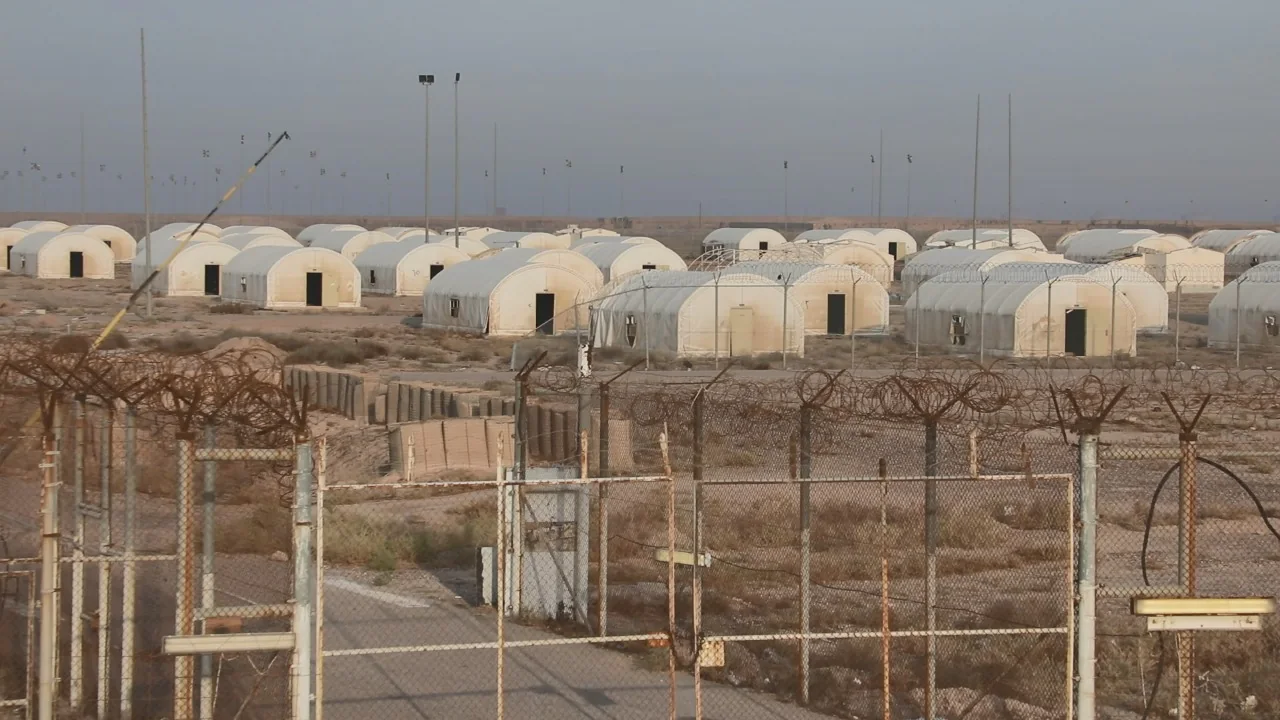
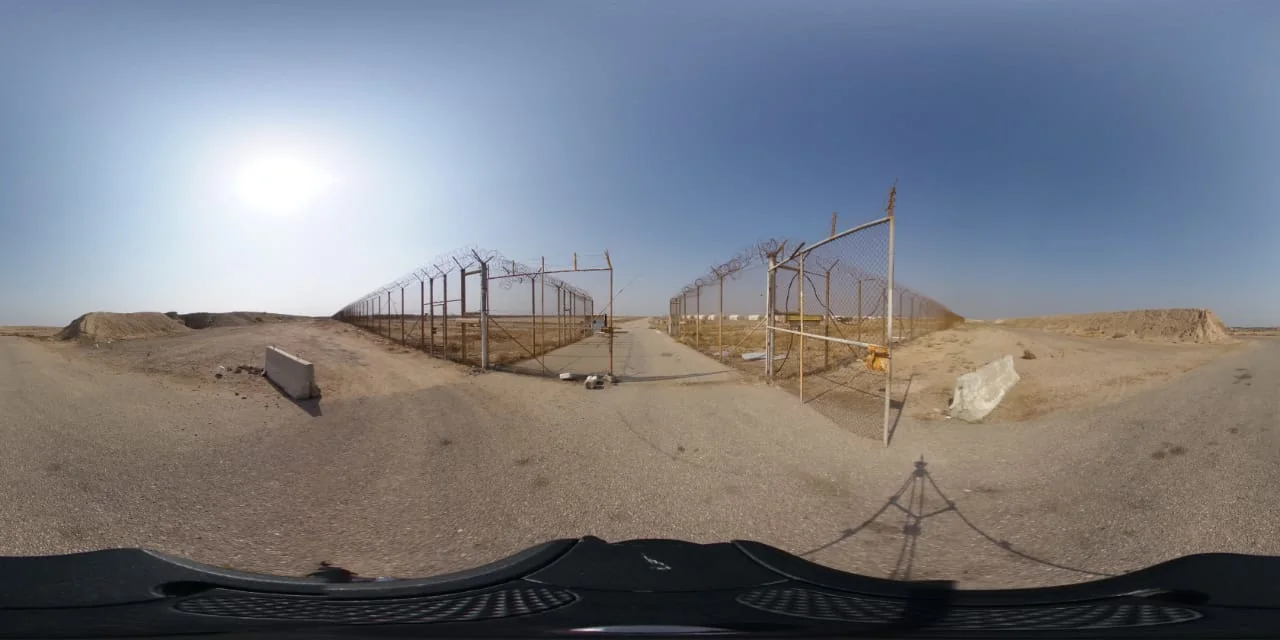
Field documentation recorded the remains of Camp Bucca: fences, gates and the spatial structures of confinement. The work expanded the museum’s geographic frame beyond Syria and connected prison architecture to a wider regional history.
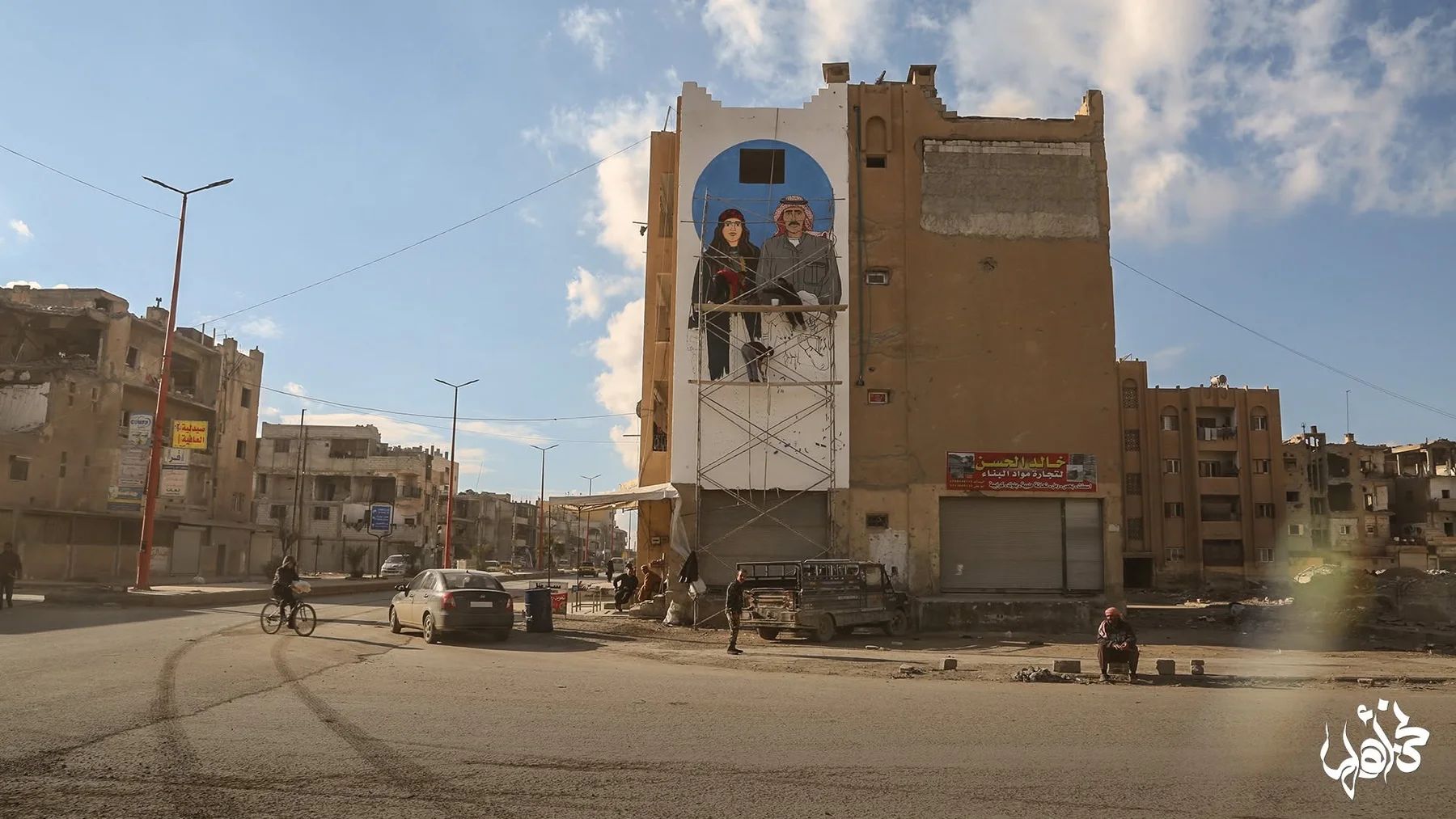
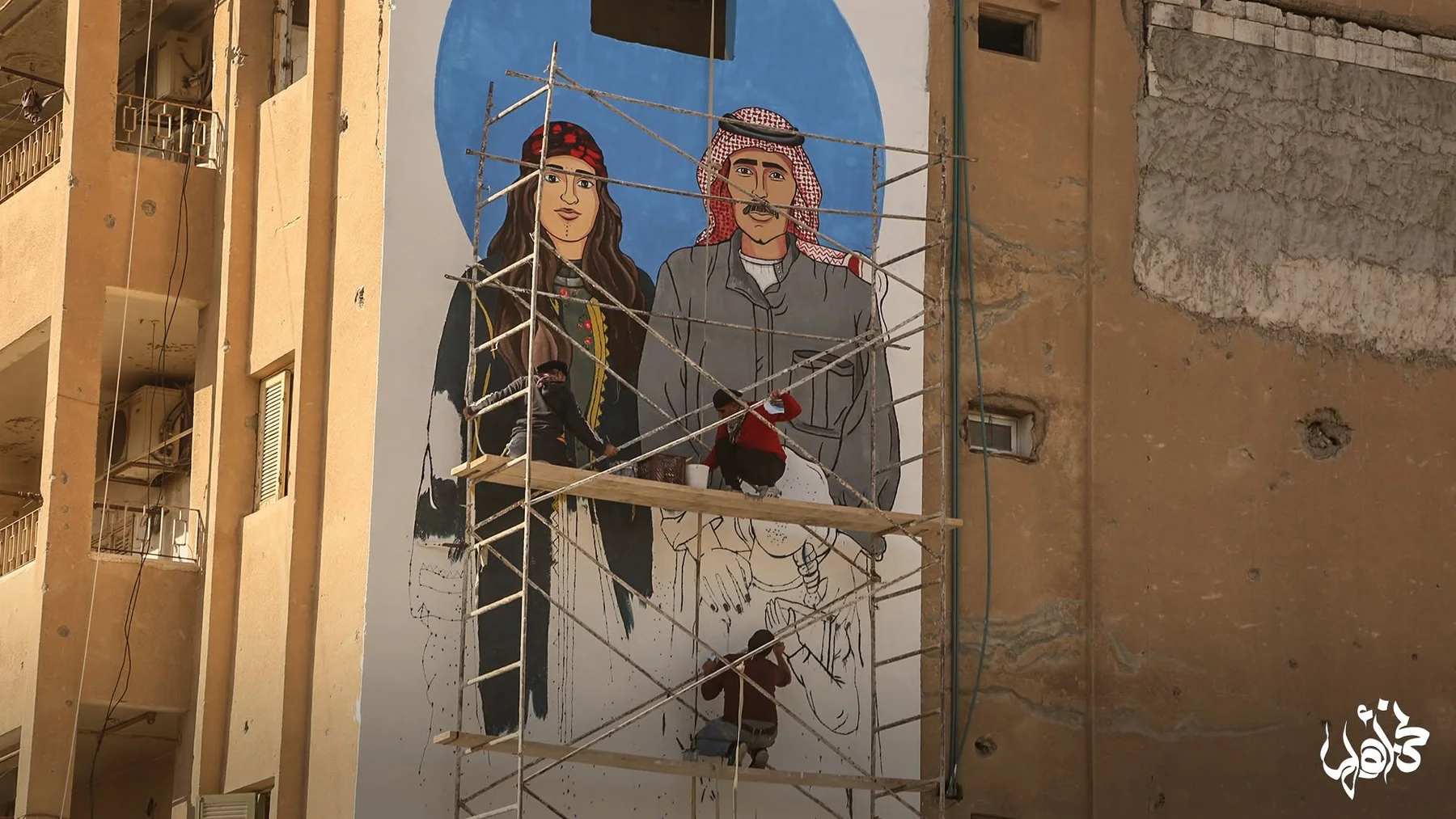
As part of the public-space work connected to the Raqqa Between Two Bridges programme, photographs show murals in the streets of Raqqa — the image returning to building facades in a city still visibly marked by destruction.
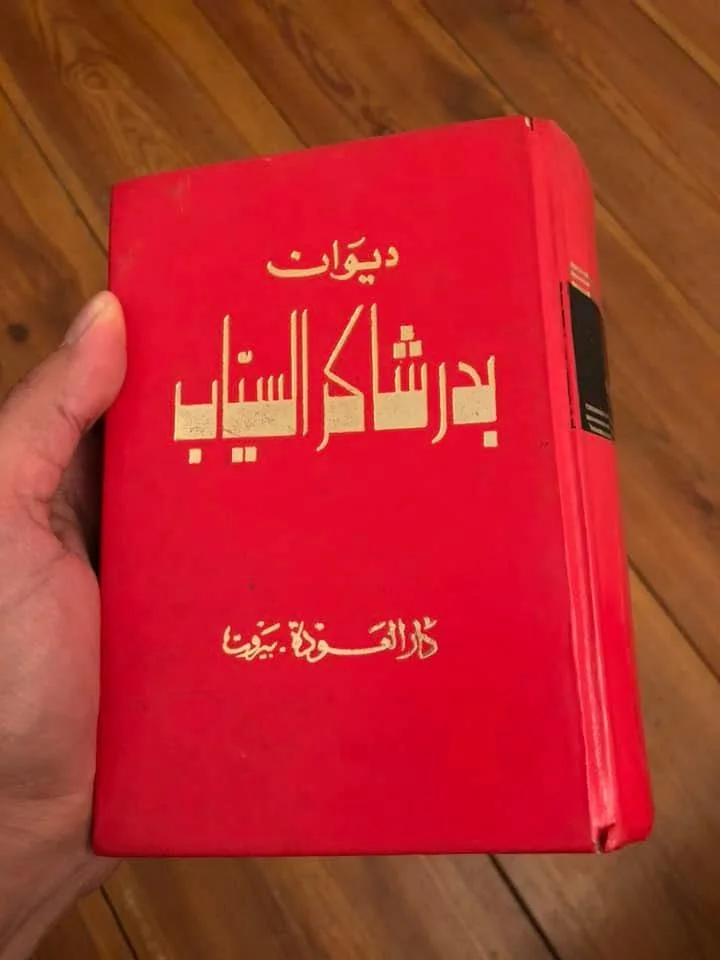
A volume of Badr Shakir al-Sayyab’s poetry taken from Raqqa to Germany became the only book from Matar’s library to survive after ISIS took control of the city.
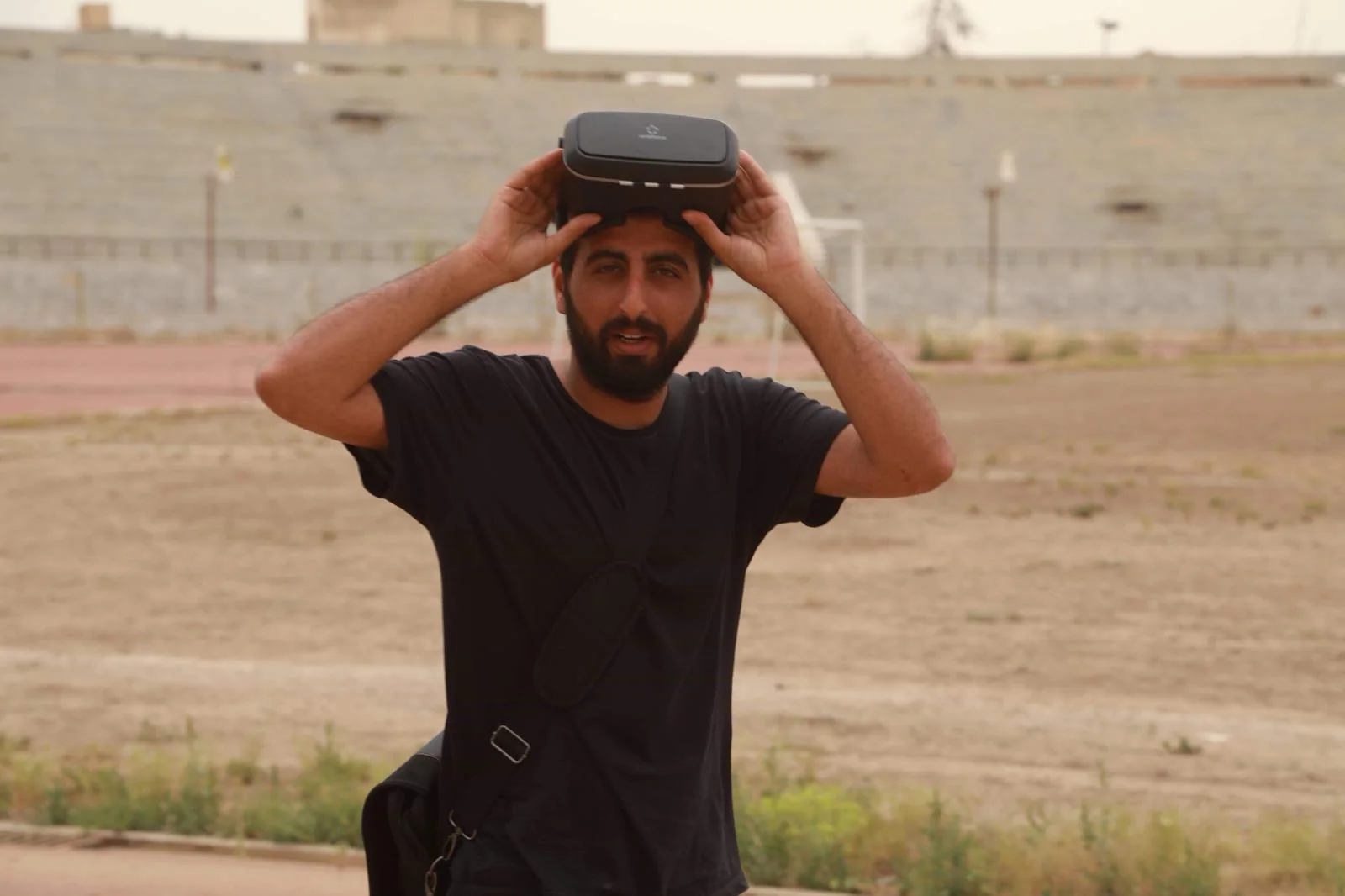
The Municipal Stadium prison, used by ISIS for detention in Raqqa, was documented through photography and spatial recording as part of the early fieldwork that developed into the Prisons Museum. Matar had played football in this stadium as a child, before ISIS turned it into a prison.
Beginning in 2017, “Raqqa Between Two Bridges” supported civil society in Raqqa and Deir ez-Zor, working with 24 organisations and producing 407 short videos.
Work searching for missing people expanded into systematic documentation of ISIS prisons, mass-grave sites, testimony and documents across Syria and Iraq, forming the basis of the later museum methodology.
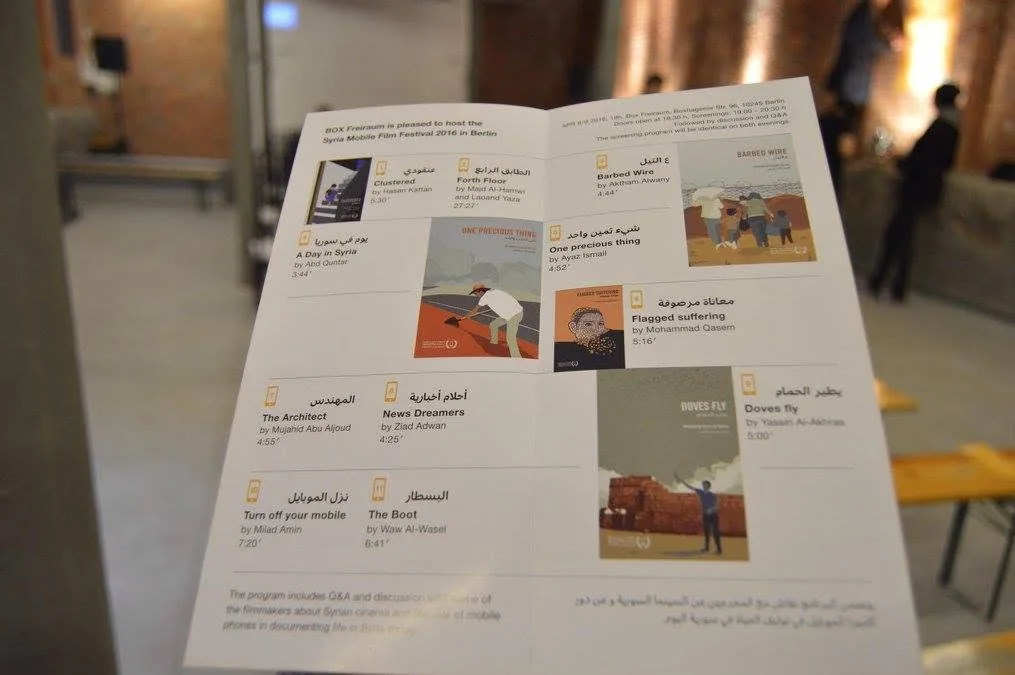
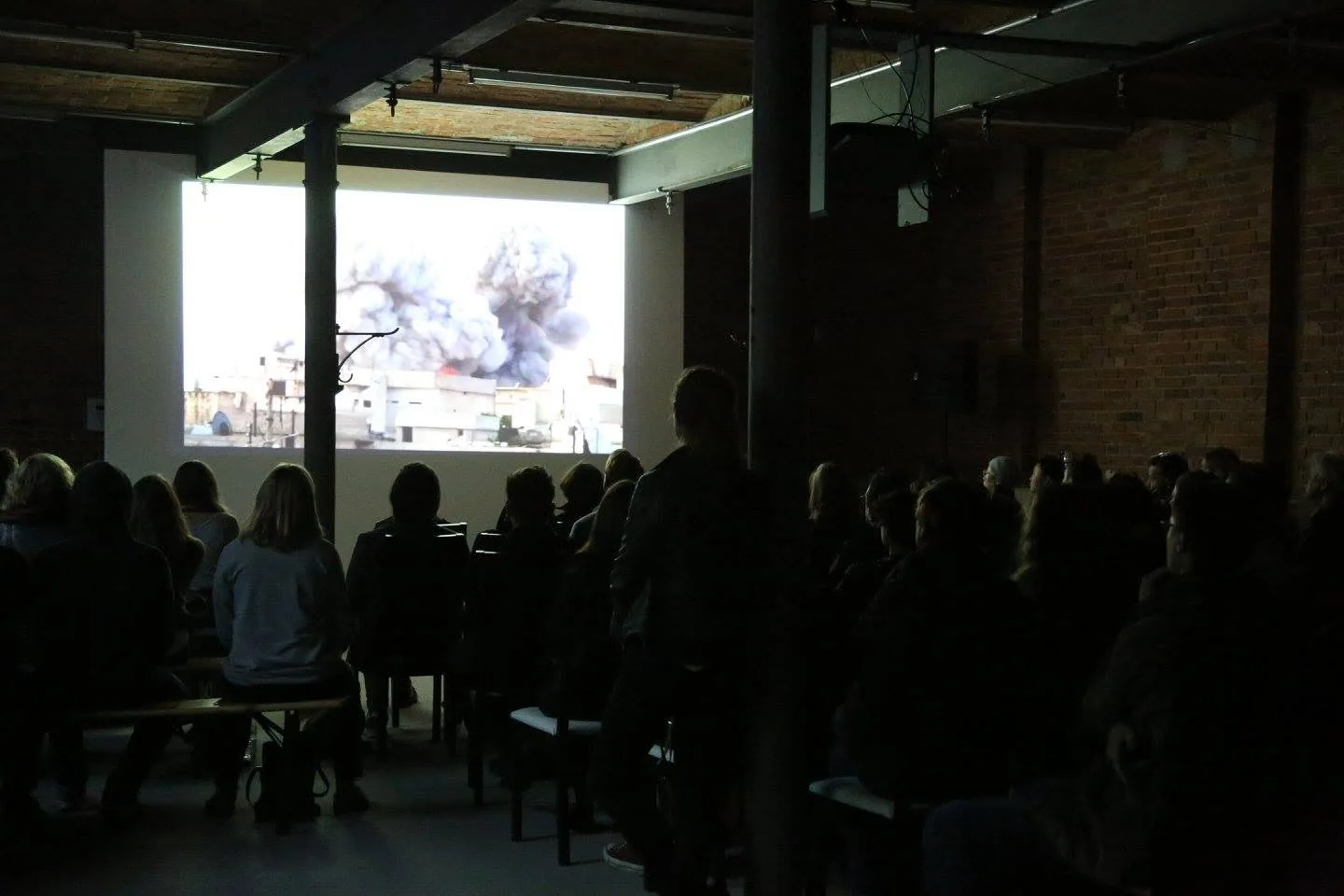
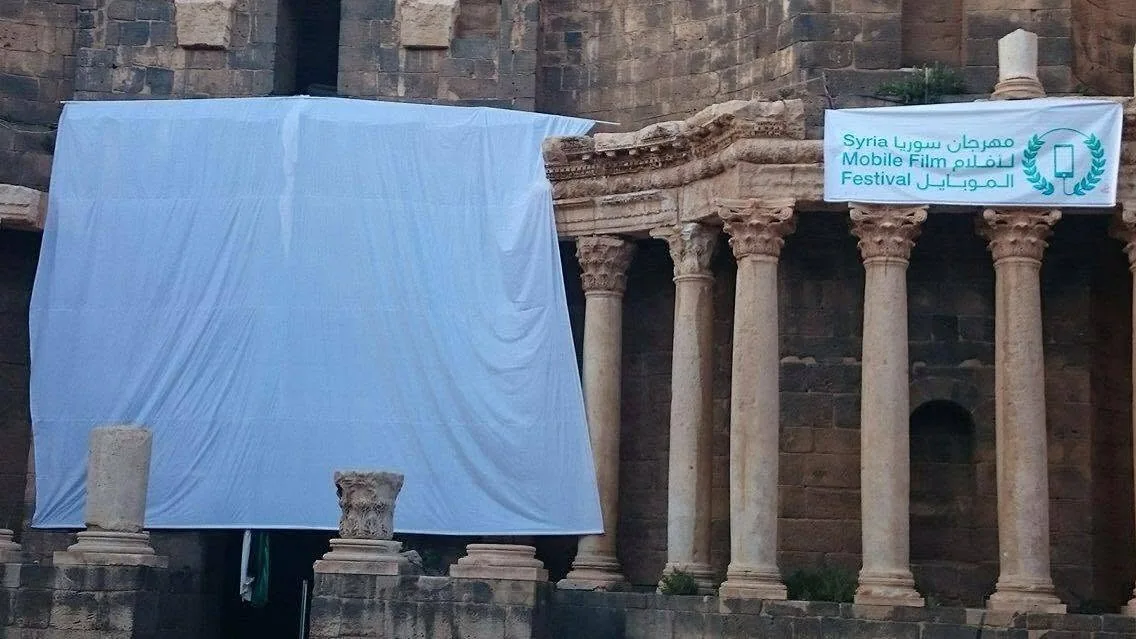
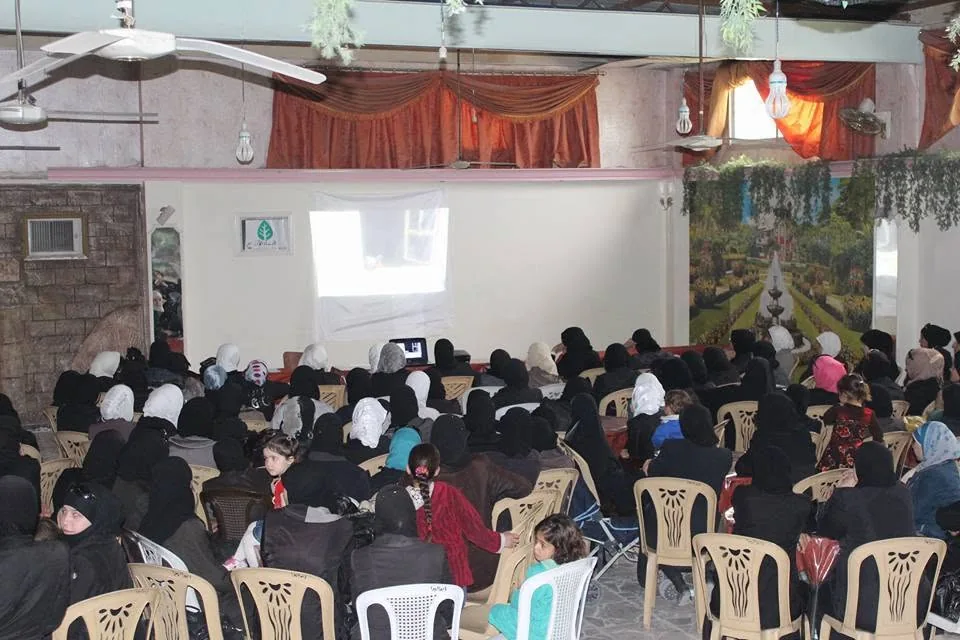
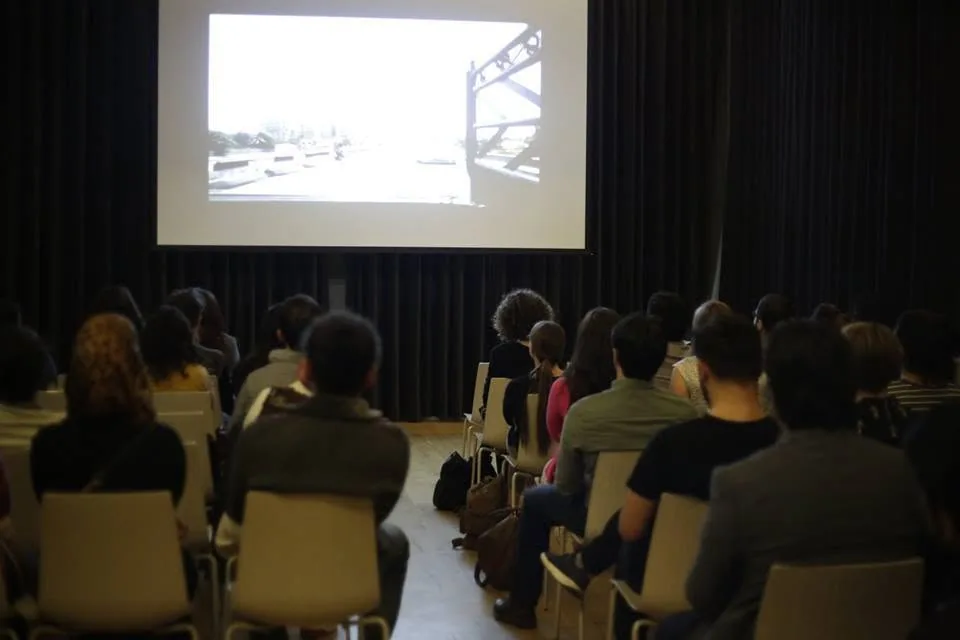
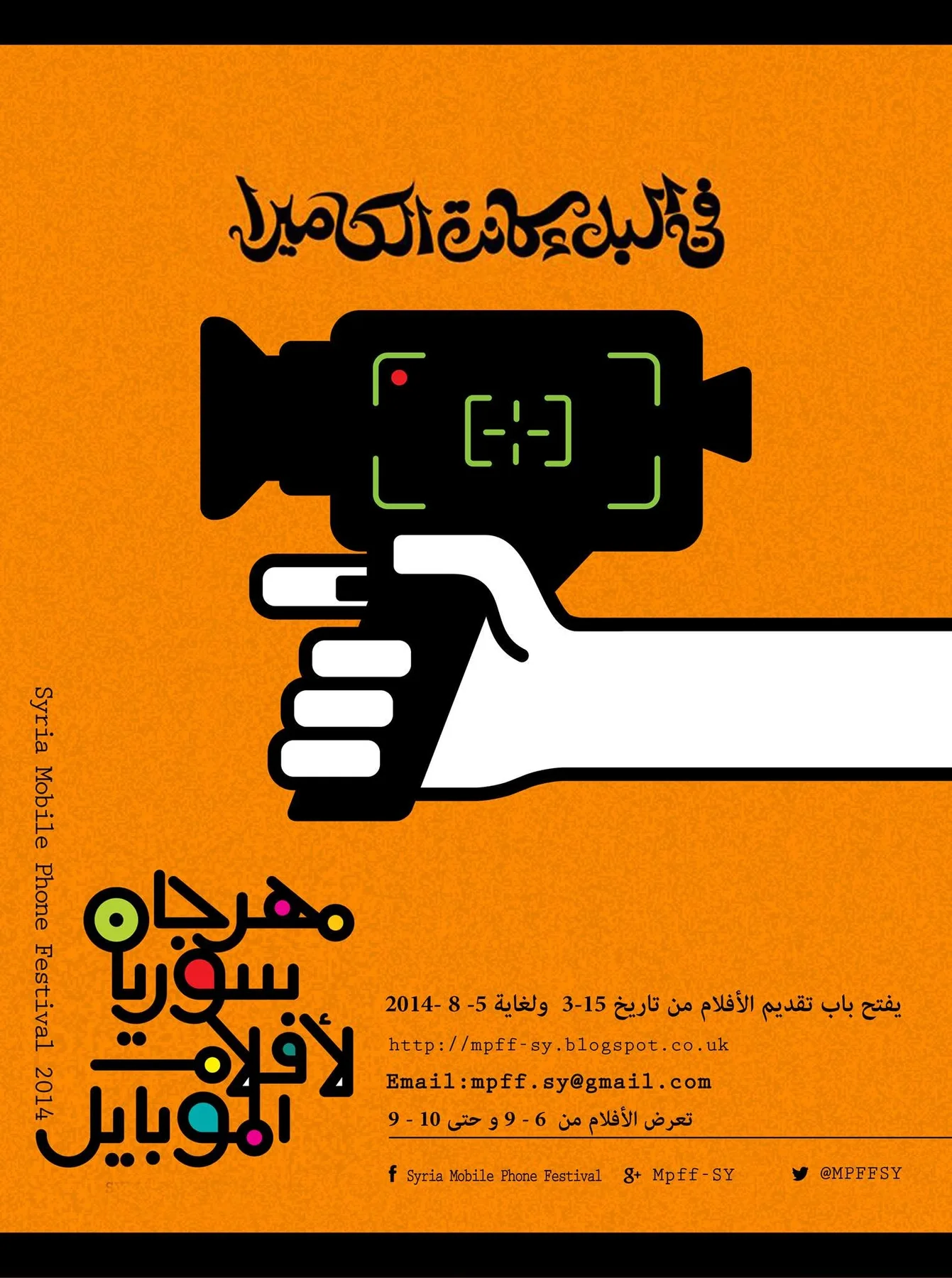
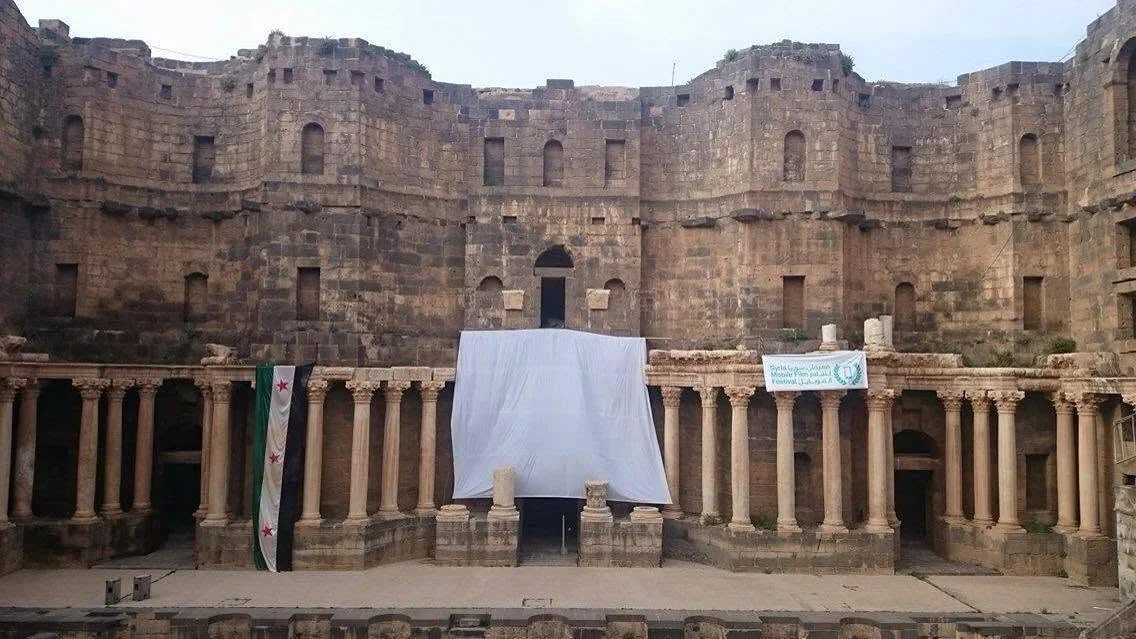
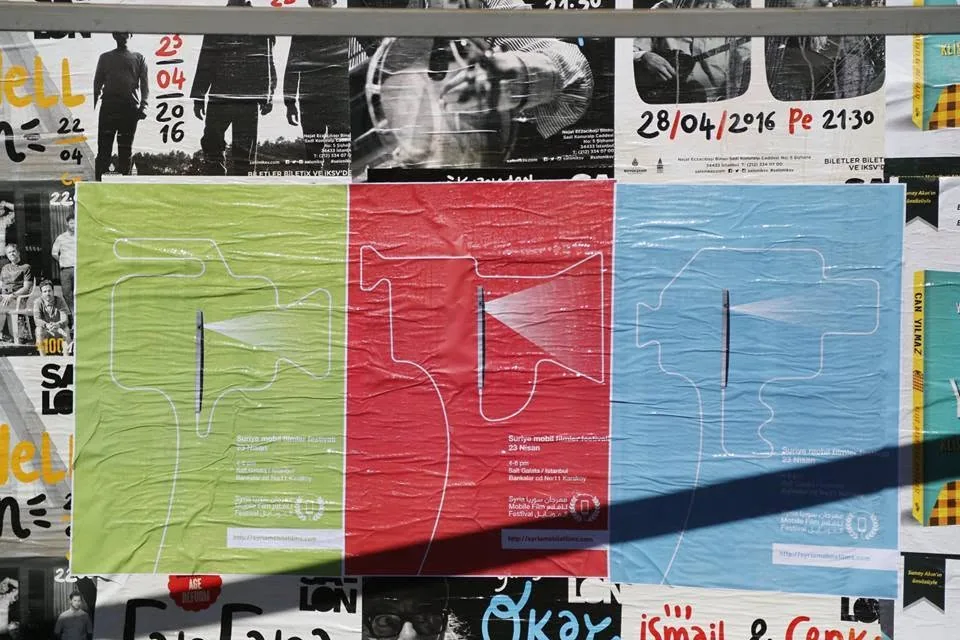
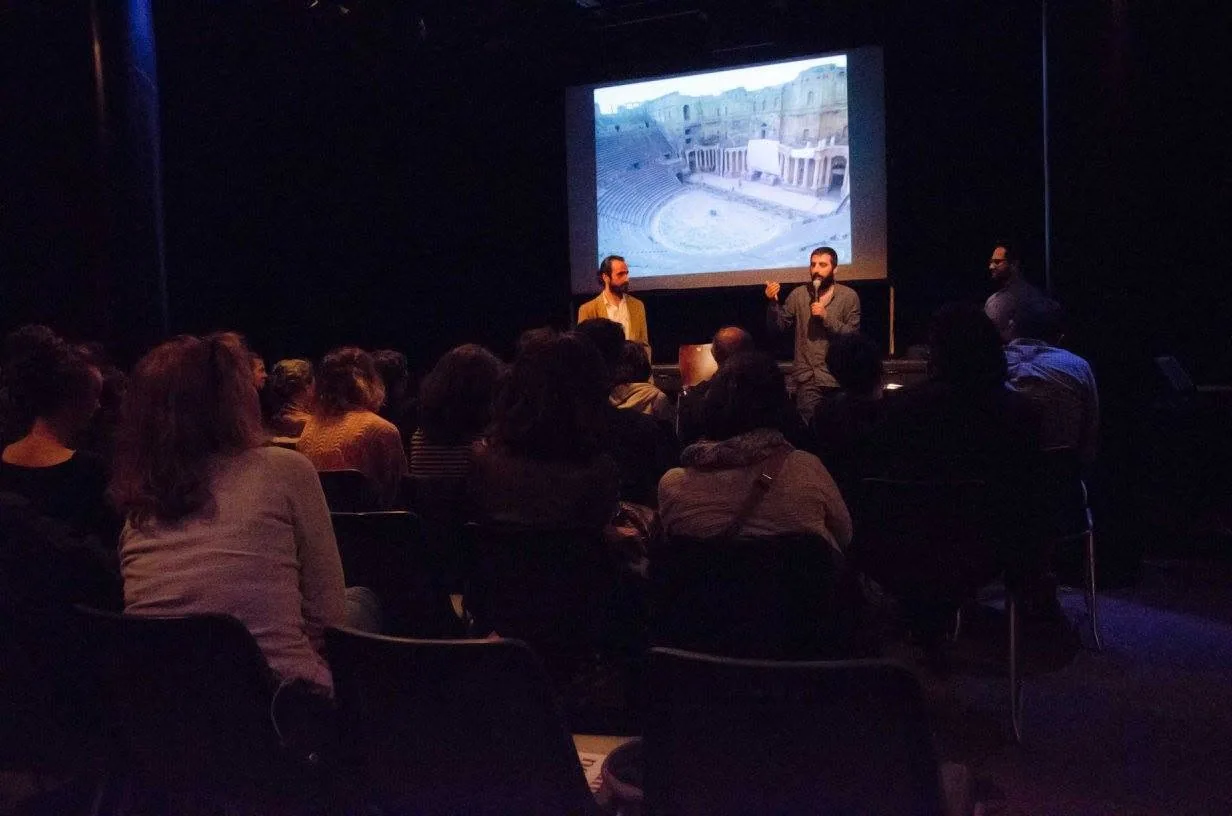
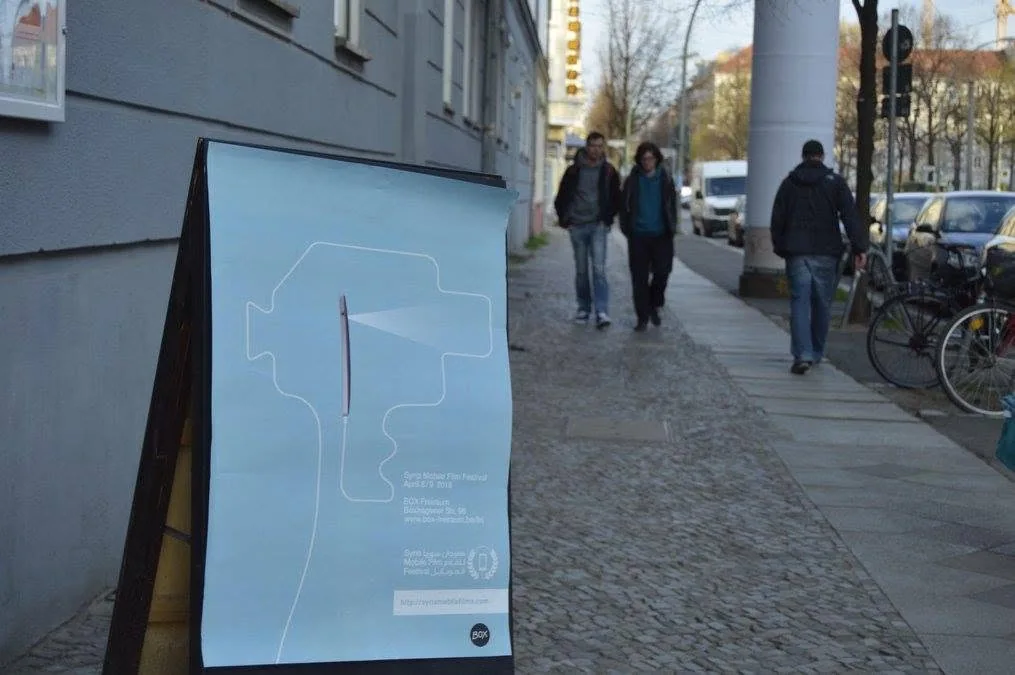
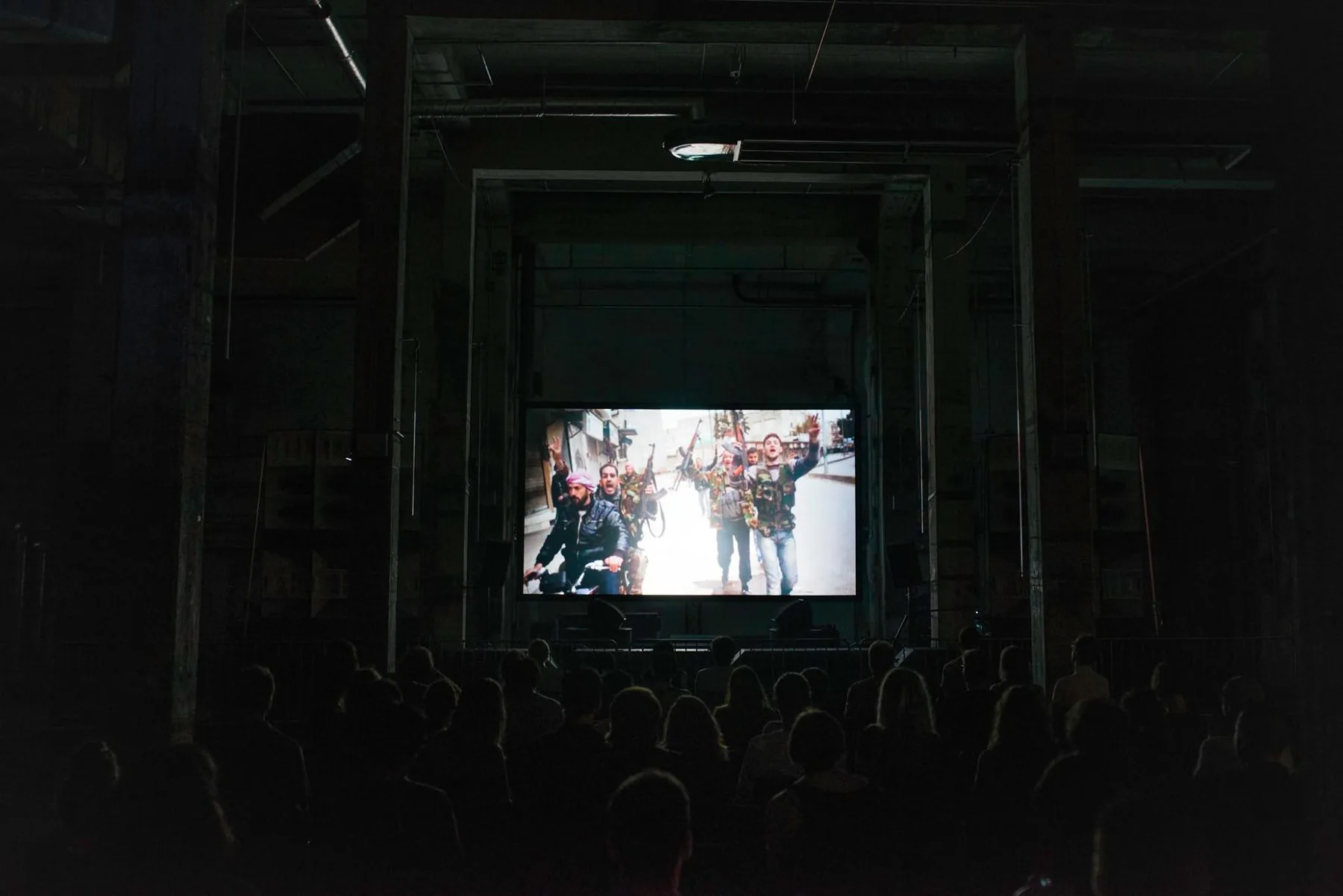
The photographs document screenings from the second edition of the Syria Mobile Film Festival in besieged Eastern Ghouta, Berlin, Istanbul and Zurich, continuing the project’s circulation of films made with mobile-phone cameras between Syria and international screening spaces.
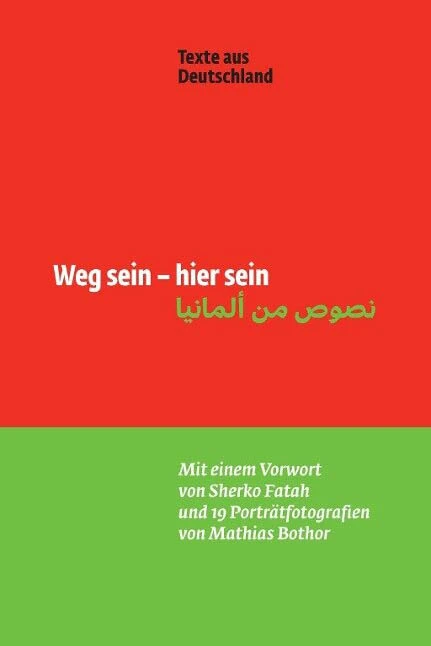
In the anthology Weg sein – hier sein: Texte aus Deutschland, gathering texts by 19 exiled writers — 17 of them from Syria — who found refuge in Germany, Amer Matar’s text “U-Bahn Rakka–Berlin,” translated from Arabic by Leila Chammaa, was published in October 2016 (256 pp.), with a foreword by novelist Sherko Fatah and 19 portraits by photographer Mathias Bothor. Through a child’s eyes in Raqqa, the text follows the catching of flies into small boxes while warplanes cross the city’s sky.
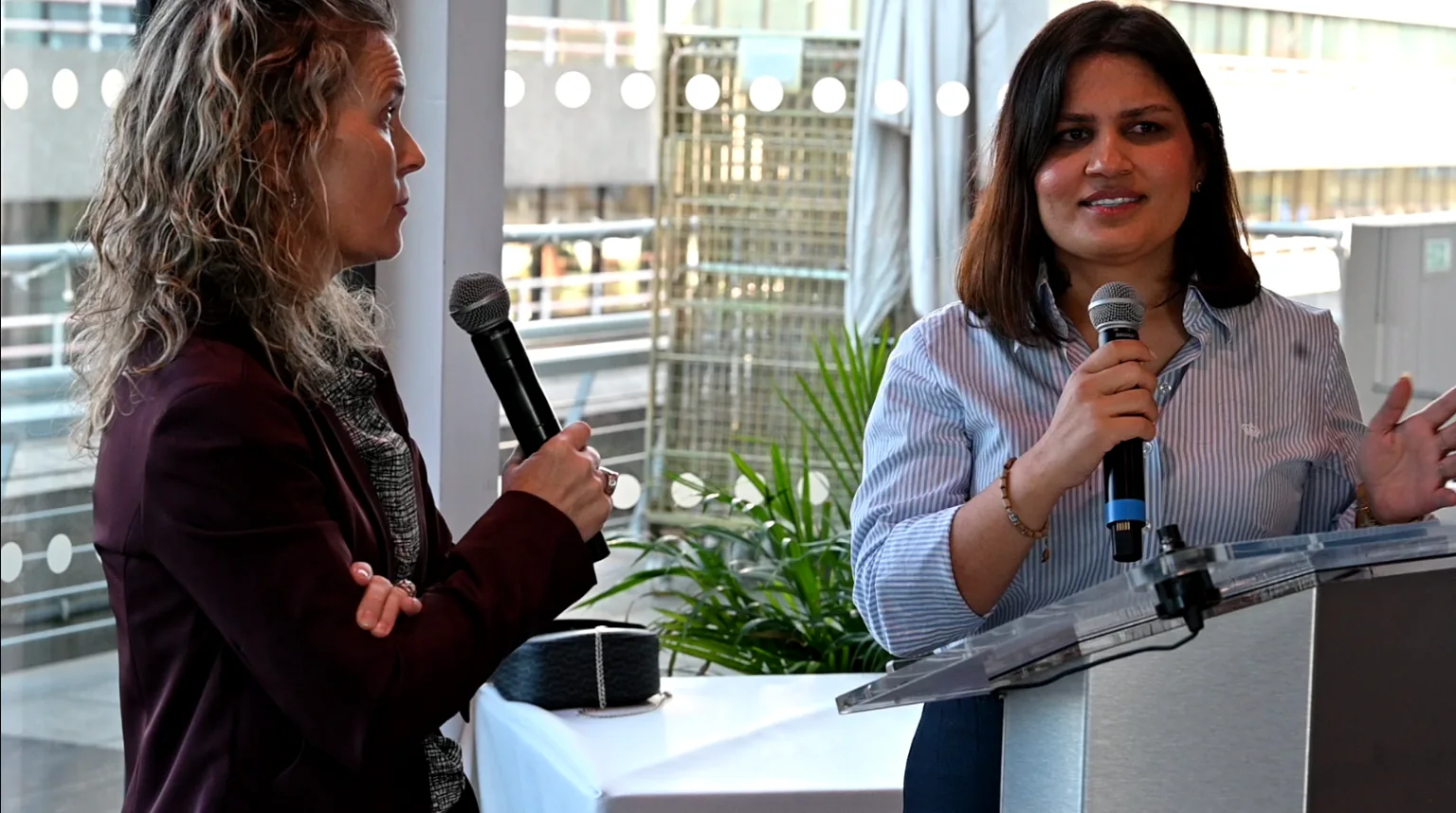
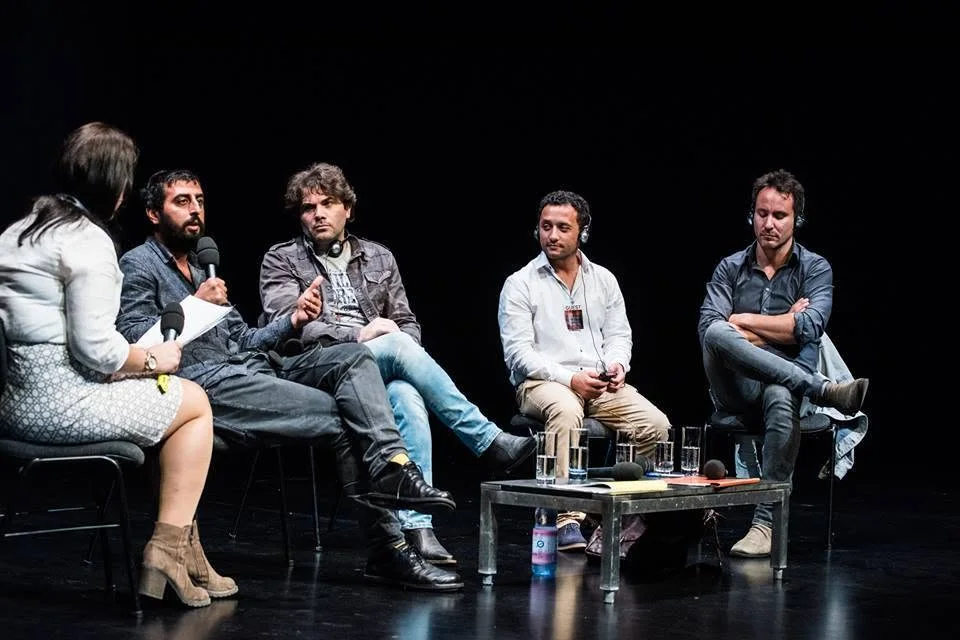
A public conversation in Berlin around film, conflict and migration, part of the period in which documentary practice, cultural work and public discussion increasingly overlapped.
Amer Matar took part in a two-day programme on 14–15 May. On the first evening he read “Mein Herz ist ein Garten” and unpublished texts, alongside photographs by Jaber al-Azmeh — a record of continued writing and public work in exile.
Reading · Writing in exile · Freiraum in der Box, Berlin
2014
02
Year overview
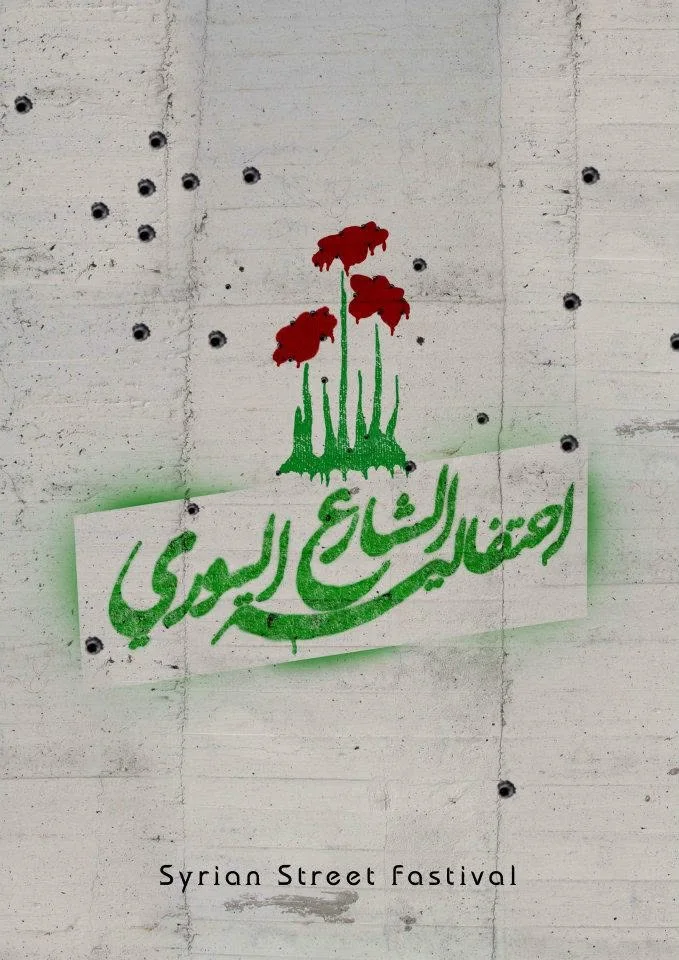
Third Syrian Street Festival, framing art against both military authoritarianism and religious extremism.
AlShare documentary filmmaking workshop for ten Syrian journalists, alongside production of additional short films about Syria screened at festivals and on television.
Contributed to “Innenansichten aus Syrien,” edited by Larissa Bender and published by Edition Faust, an anthology featuring 36 Syrian writers and artists, including Amer Matar and Mohammad Nour Matar.
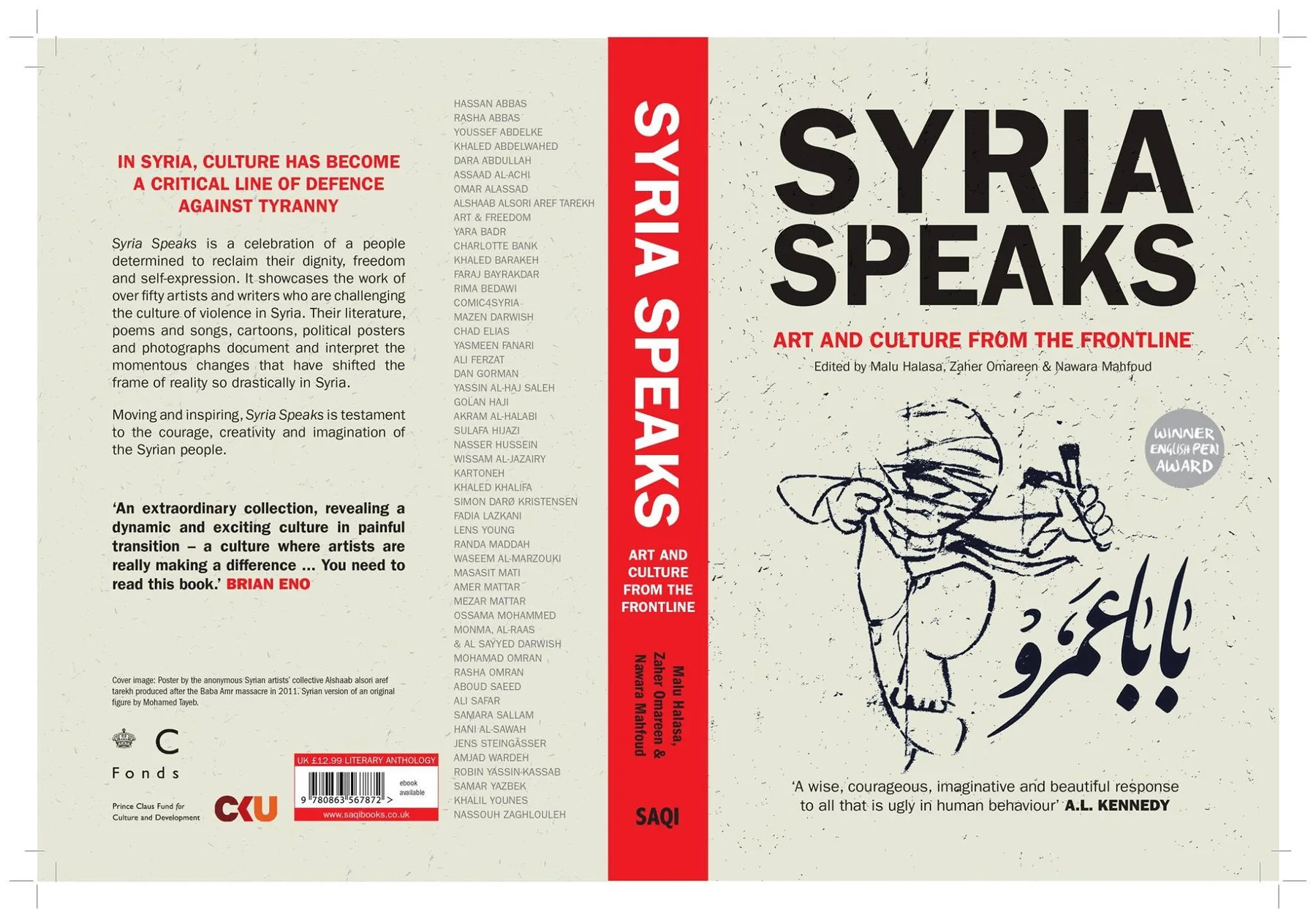
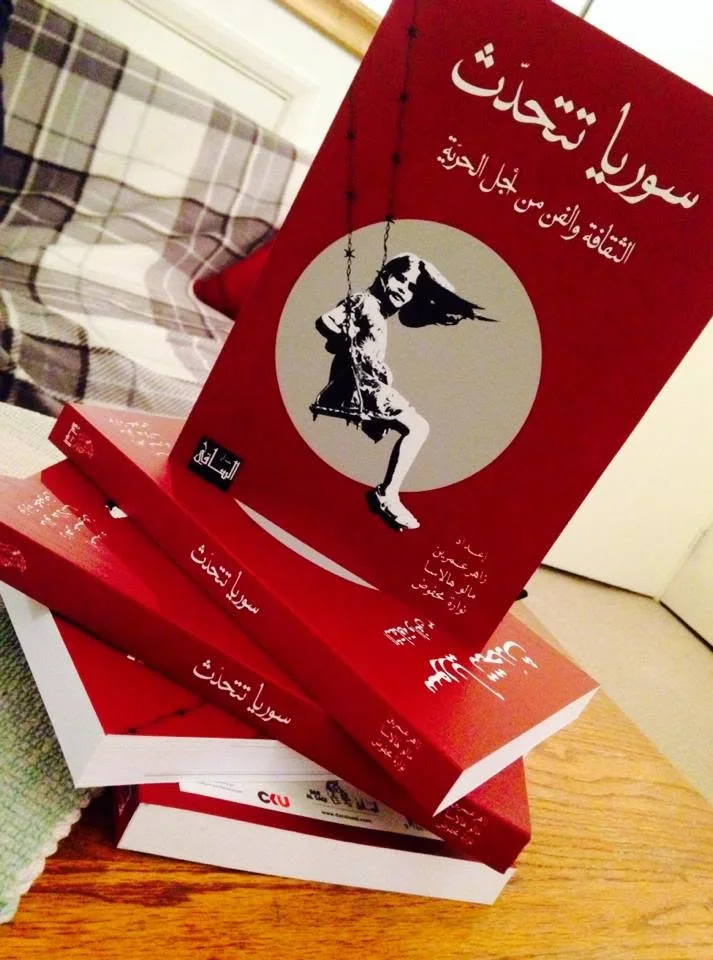
Matar contributed to the 2014 book Syria Speaks, a collection bringing together Syrian writers and artists responding to the country’s cultural and political transformations.
Prepared through 2013 around the mobile phone as both a documentary and creative tool, the first edition honoured those who documented the uprising with phone cameras: screenings in five cities inside Syria and in Paris, London, Washington and Gaziantep, three workshops for 24 trainees, and funding for six film projects.
Produced nine short documentaries with AlShare Media and 15 films for France 24’s “Network Voices” programme.
AlShare organised journalism workshops for 40 citizen journalists.
“Red, Yellow, Green”: a short series about daily life in a Syrian neighbourhood and its transformation since the uprising, co-produced with The Day After.
Second Syrian Street Festival, with events in Aleppo, Raqqa, Tal Abyad, Jarabulus, Manbij and al-Bab, “Candles of Freedom” on the Euphrates, and events in Istanbul and Malmö.
Second edition of “Our Colorful Streets.”
Contributed to “Fremde Heimat — Texte aus dem Exil,” published by PEN Germany, and to “Syria Speaks” with the chapter “Art & Freedom.”
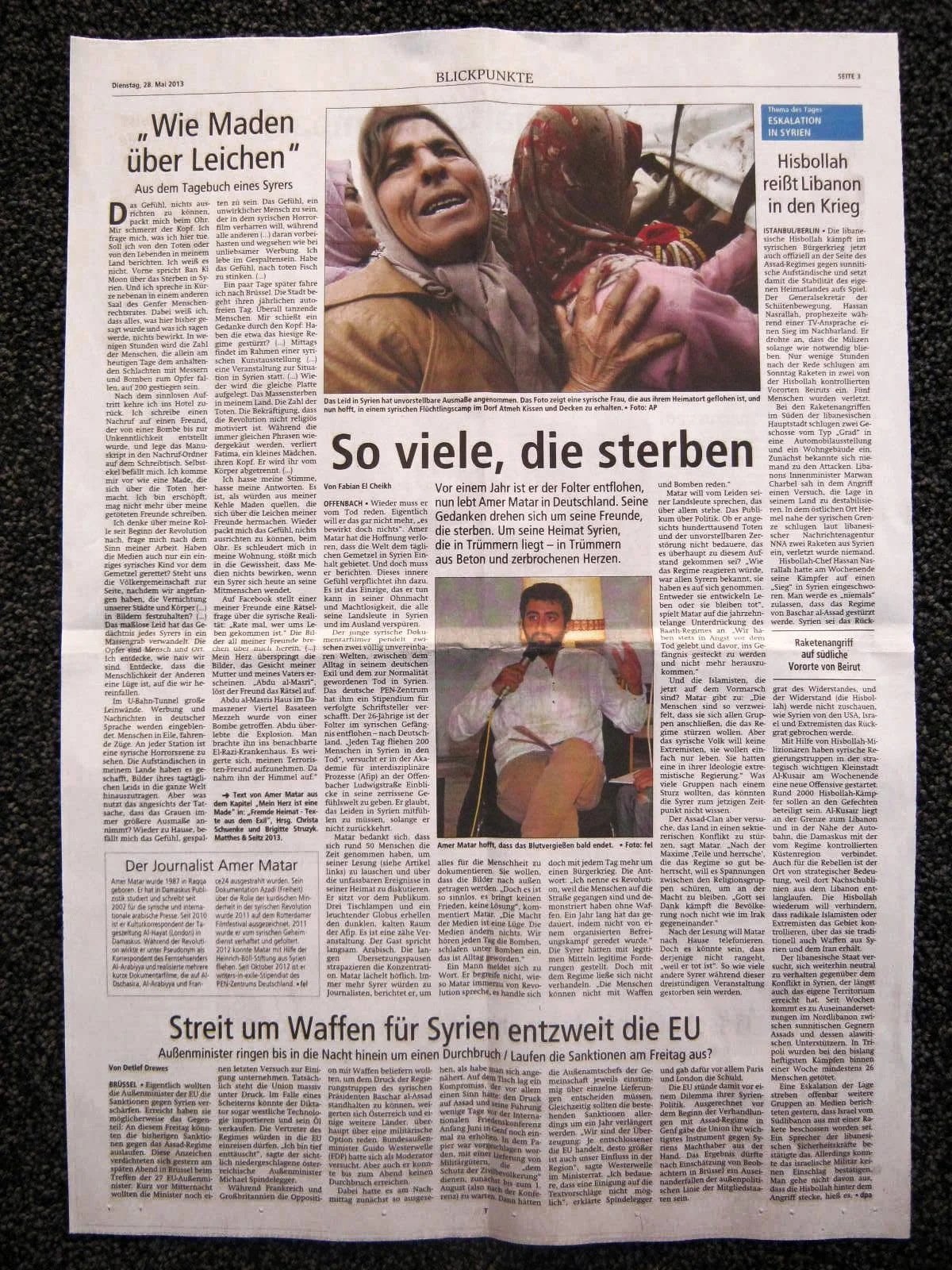
A German newspaper page containing a text by Amer Matar about Syria alongside a profile of his work, from the Writers in Exile period in Germany when writing, public conversations and work on Syria continued from exile.
ISIS kidnapped Mohammed Nour Matar, Amer Matar’s younger brother and a photographer working alongside him, in Raqqa. His fate has remained unknown ever since. The search for him, as well as for other missing colleagues and detainees, later became one of the paths that led to the documentation of ISIS prisons and mass graves and ultimately to the creation of the Prisons Museum.
Received a Heinrich Böll Foundation fellowship and began a PEN Writers in Exile fellowship, which continued until 2015.
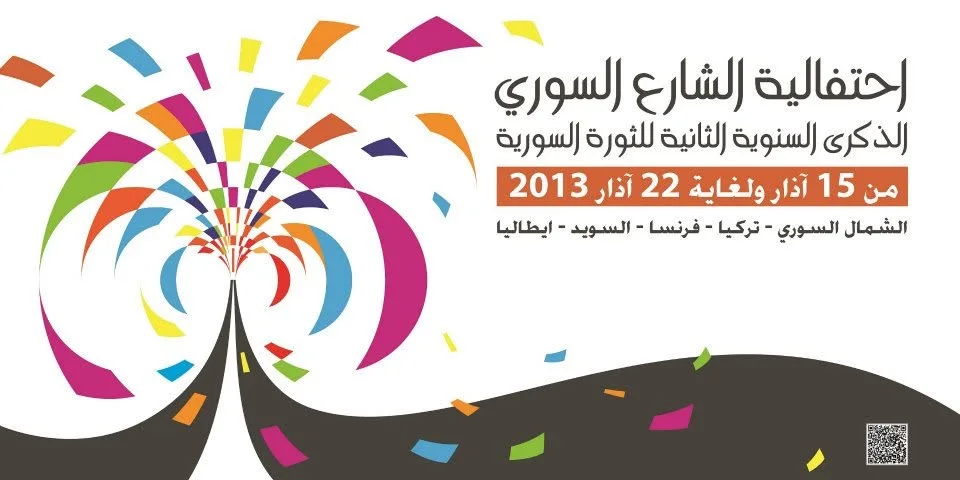
First Syrian Street Festival (15–22 March 2012): film screenings, “Artists from Syria Now,” field writing about the street and prisons, revolutionary songs, and the travelling “Drawings of the Children of Freedom” exhibition.
First edition of “Our Colorful Streets”: graffiti and arts activities against sectarian discourse, with musical events in liberated areas of northern Syria including Mare’, Andan and Kobani.
Contributed an article and a letter written from prison to his father to “Syrien — Der schwierige Weg in die Freiheit,” edited by Larissa Bender and published by Dietz in Bonn.
The move to Germany opened a new phase of cultural and journalistic work, including Writers in Exile and the Syrian Street Festival, which later travelled to several cities.
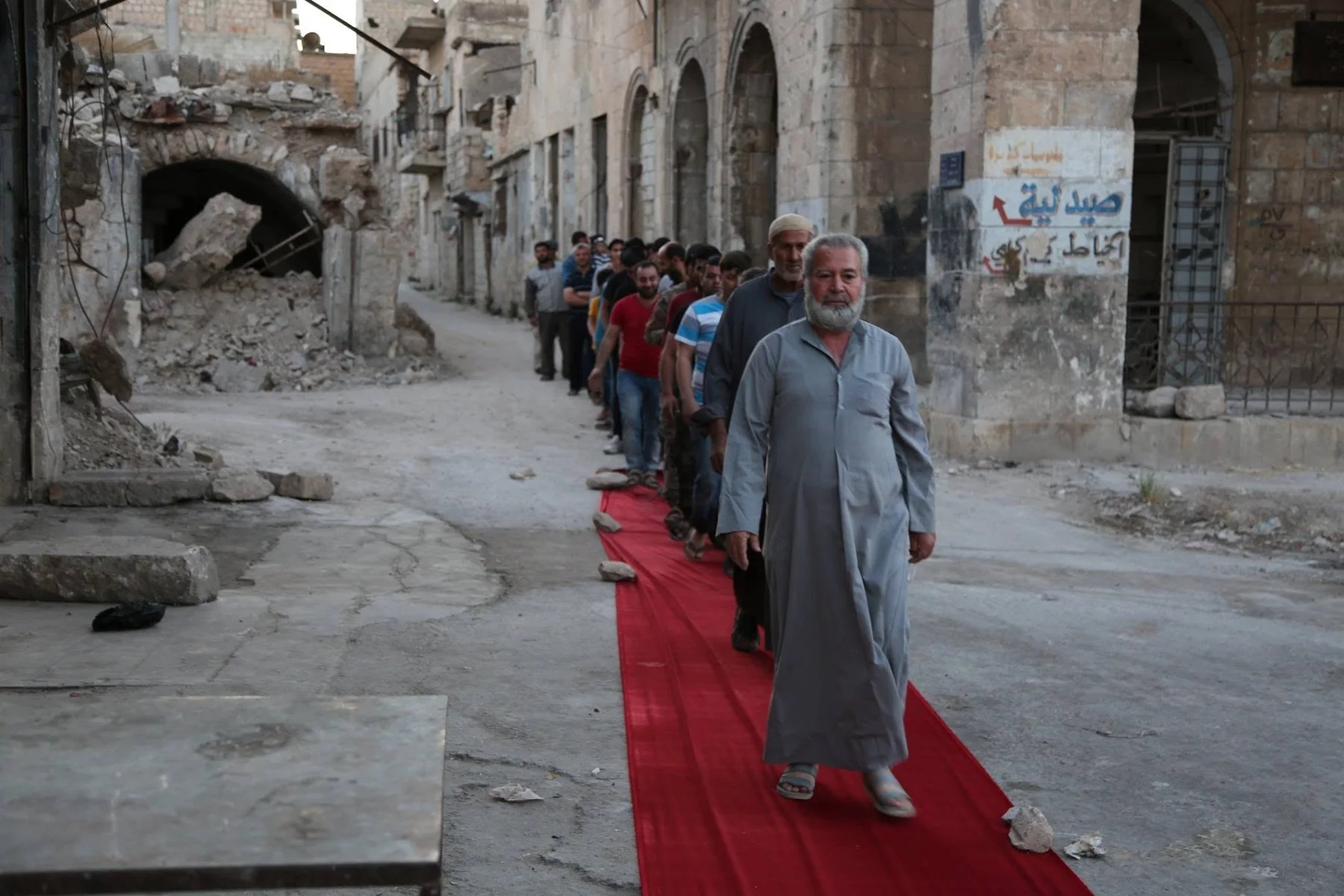
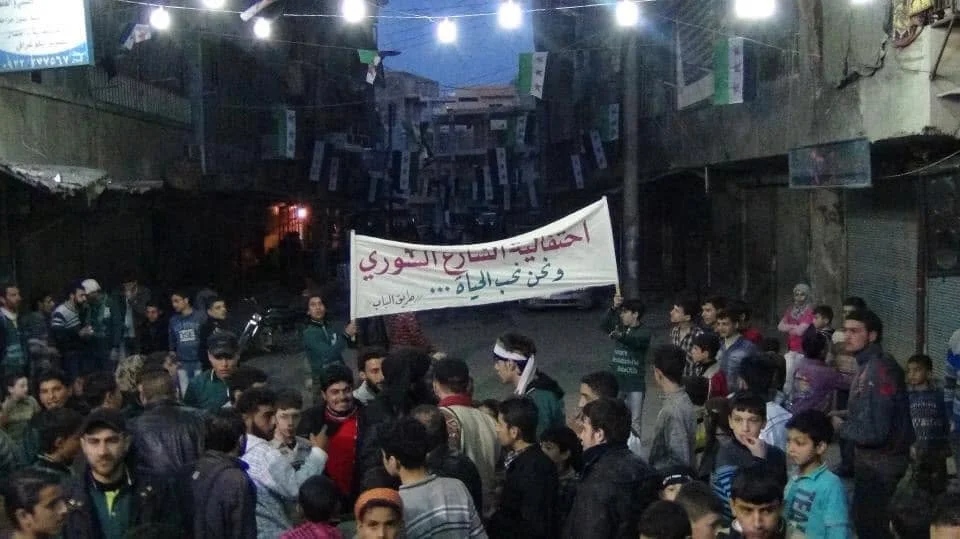
Street gatherings, posters, stencils and public interventions across the festival’s 2012–2014 editions, with activities later extending across cities in Syria and abroad.
Public space · Cultural work · Syria / international
3 images
2011
05
Year overview
Covered the Syrian uprising, documenting protests and repression.
Worked with Al Arabiya on “Dialogues from the Syrian Street,” conducting 60 interviews with Syrian opposition figures.
Produced television reports for Al Arabiya, France 24 and Reuters through 2012.
Late March–early April 2011: first detention at Branch 251 (al-Khatib); surviving records and contemporary accounts differ on the exact date and on how the case was described.
Night of 3–4 September 2011 – 4 January 2012: second detention; the arrest order in the dossier is dated 4 September. Detention included Branch 215 and Adra Prison, and Matar reports torture in custody.
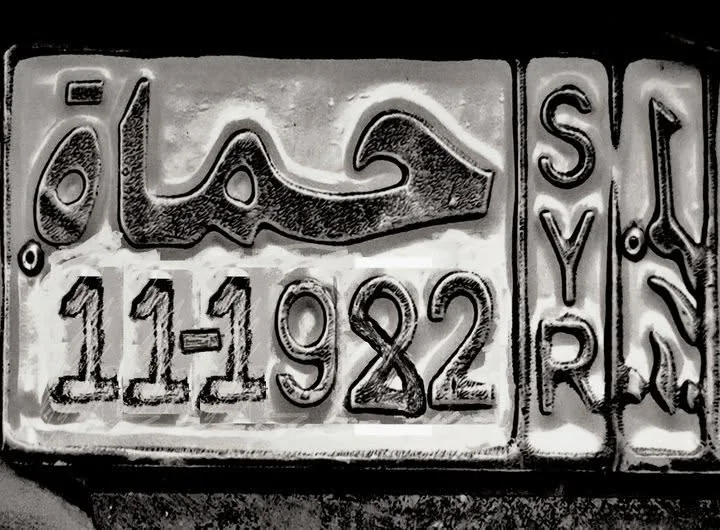
A 24-minute documentary placing the Hama massacres of 1982 and 2011, both committed by the Syrian regime, in relation to one another. It was broadcast on the Franco-German channel Arte; the photograph shows a Hama licence plate bearing the number 11-1982.
Co-directed with Talal Derki and filmed in Qamishli and Kurdish areas of northern Syria, the film received the Silver Medal at the Rotterdam Arab Film Festival and was broadcast on France 24.
A group of primary documents shows how Amer Matar’s security file was assembled before the arrest, during detention and after release: intercepted calls, the detention photograph, inter-branch reporting, and a later entry showing that the file continued to be processed.
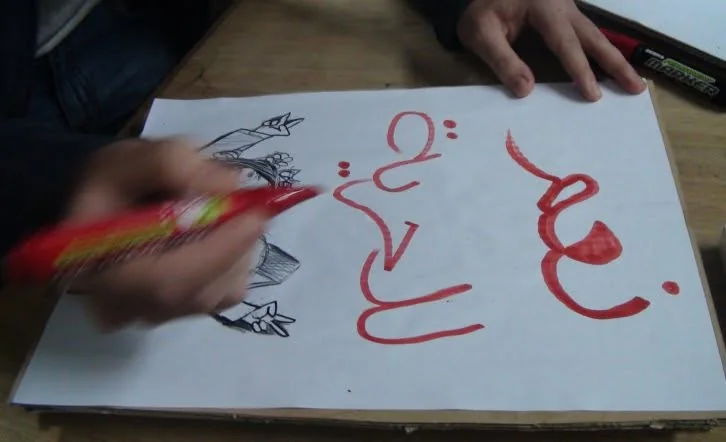
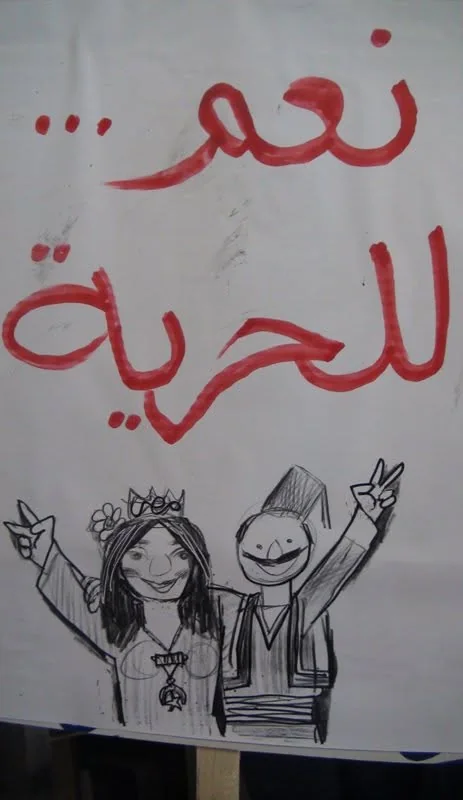
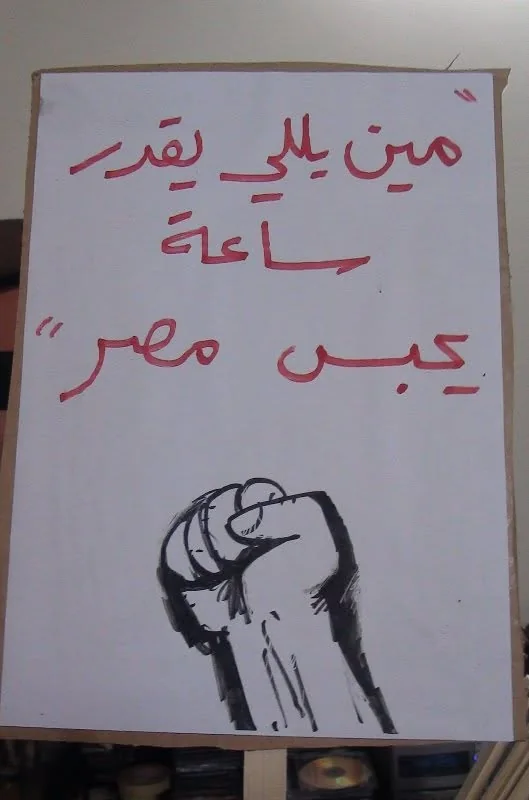
Matar was among those who helped organize a solidarity gathering in Damascus. When participants were prevented from gathering directly in front of the Egyptian embassy, they met nearby and lit candles. The banners were designed and drawn by Syrian artist Youssef Abdelke.
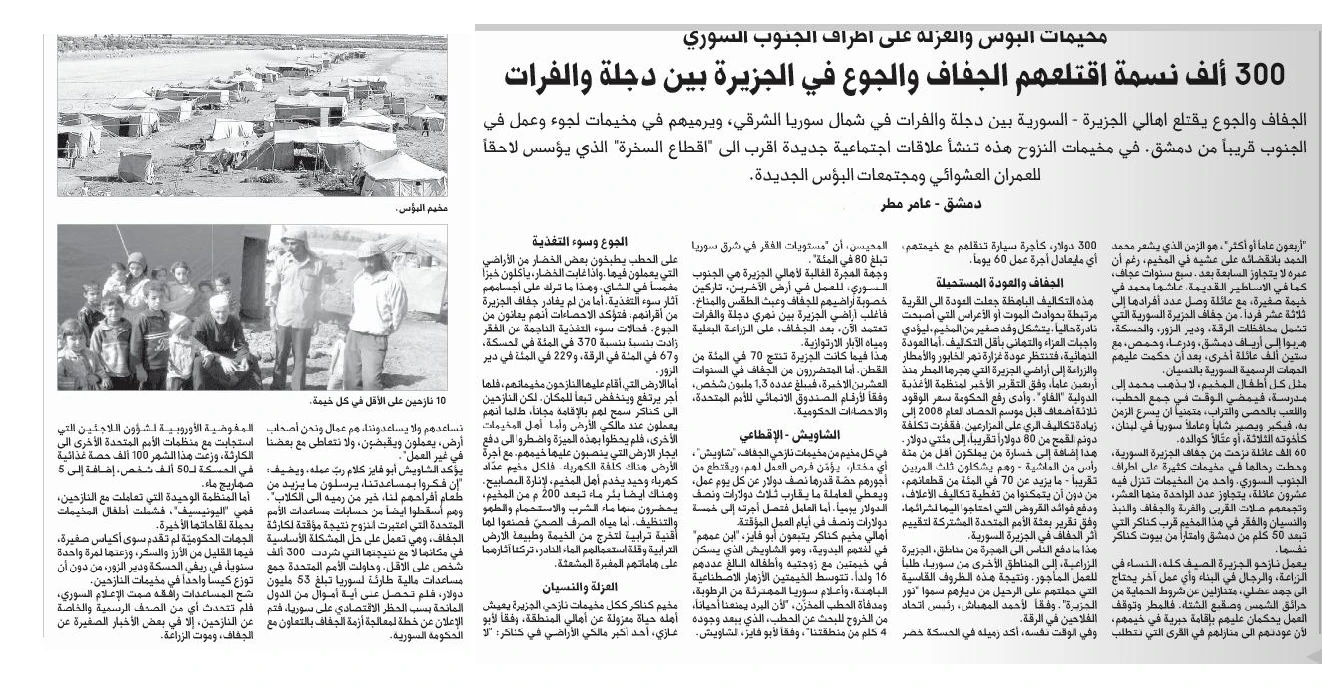
A field investigation in An-Nahar documented families displaced by drought from Syria’s Jazira region and their living conditions in informal camps and settlements near Damascus and in southern Syria.
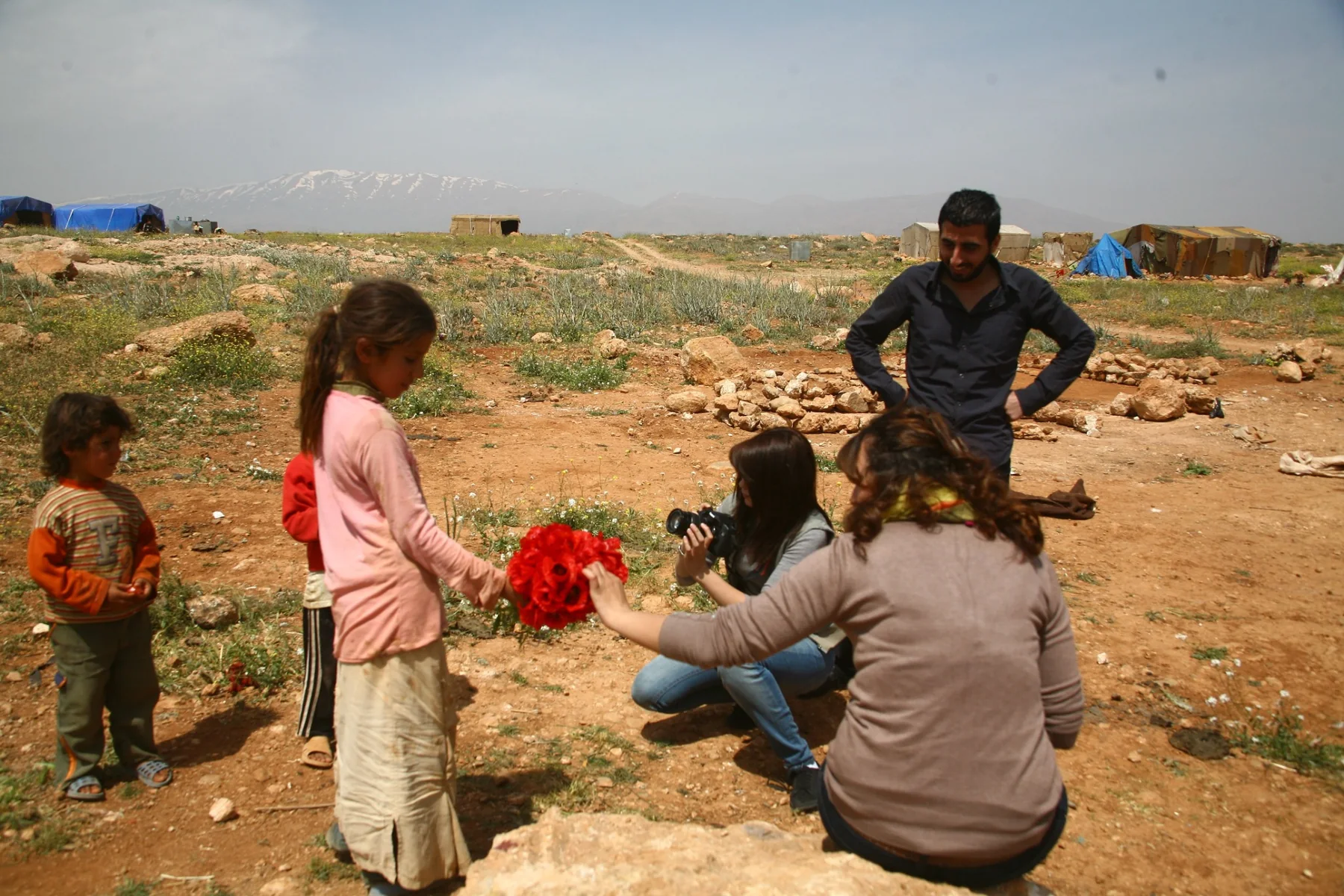
Field-based media work documented the consequences of drought and internal displacement in northeastern Syria. The same work later appeared inside intelligence reports in Matar’s security file.
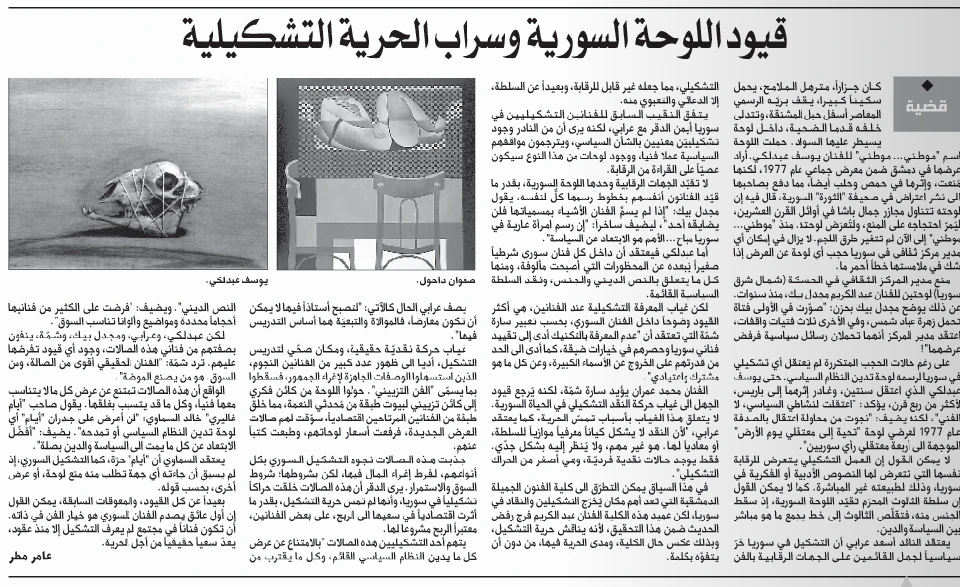
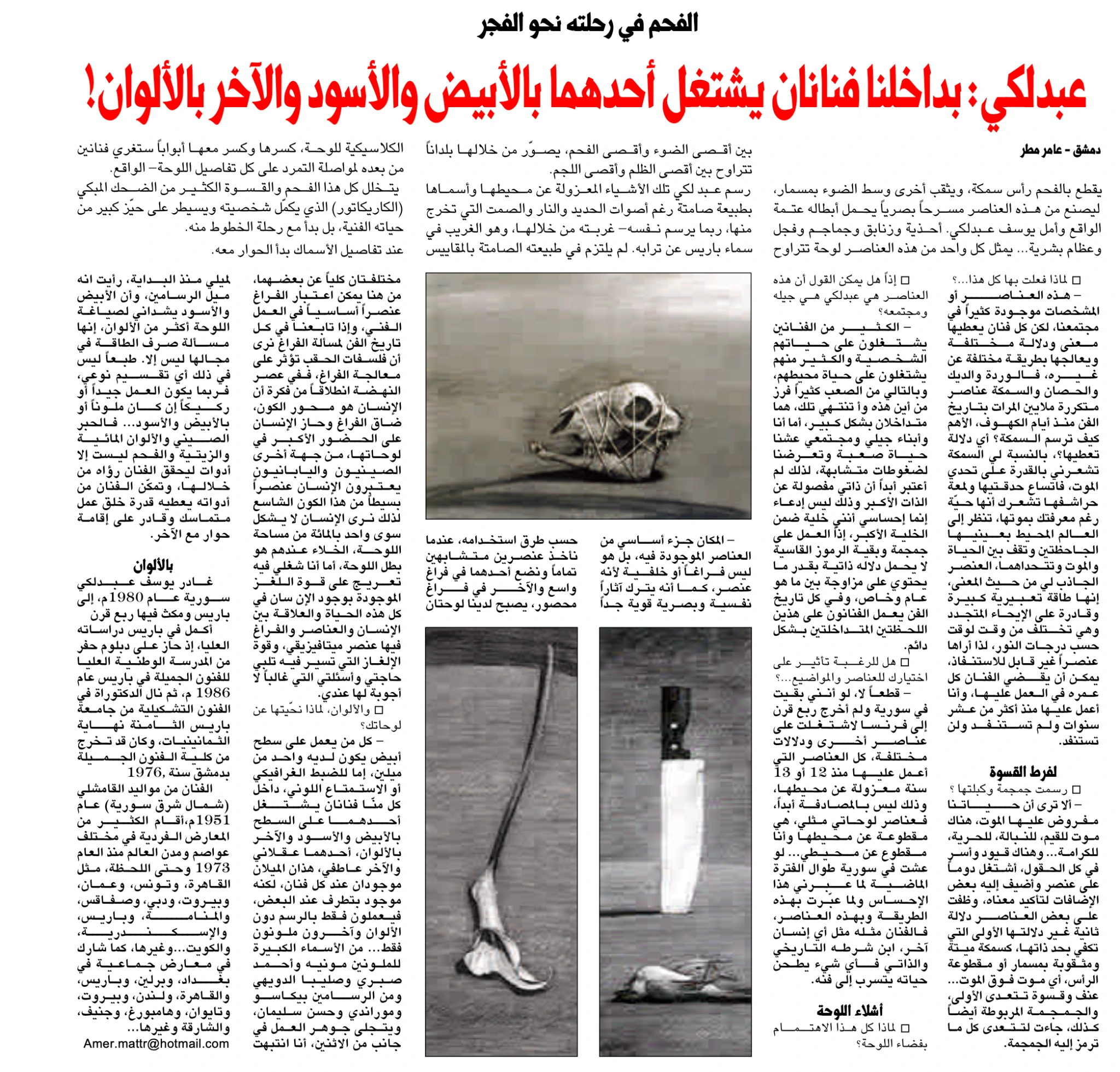
An interview in Al-Jazirah (Saudi daily) explored Abdelke’s artistic practice, charcoal and colour, and the relationship between the human figure, reality and visual work.
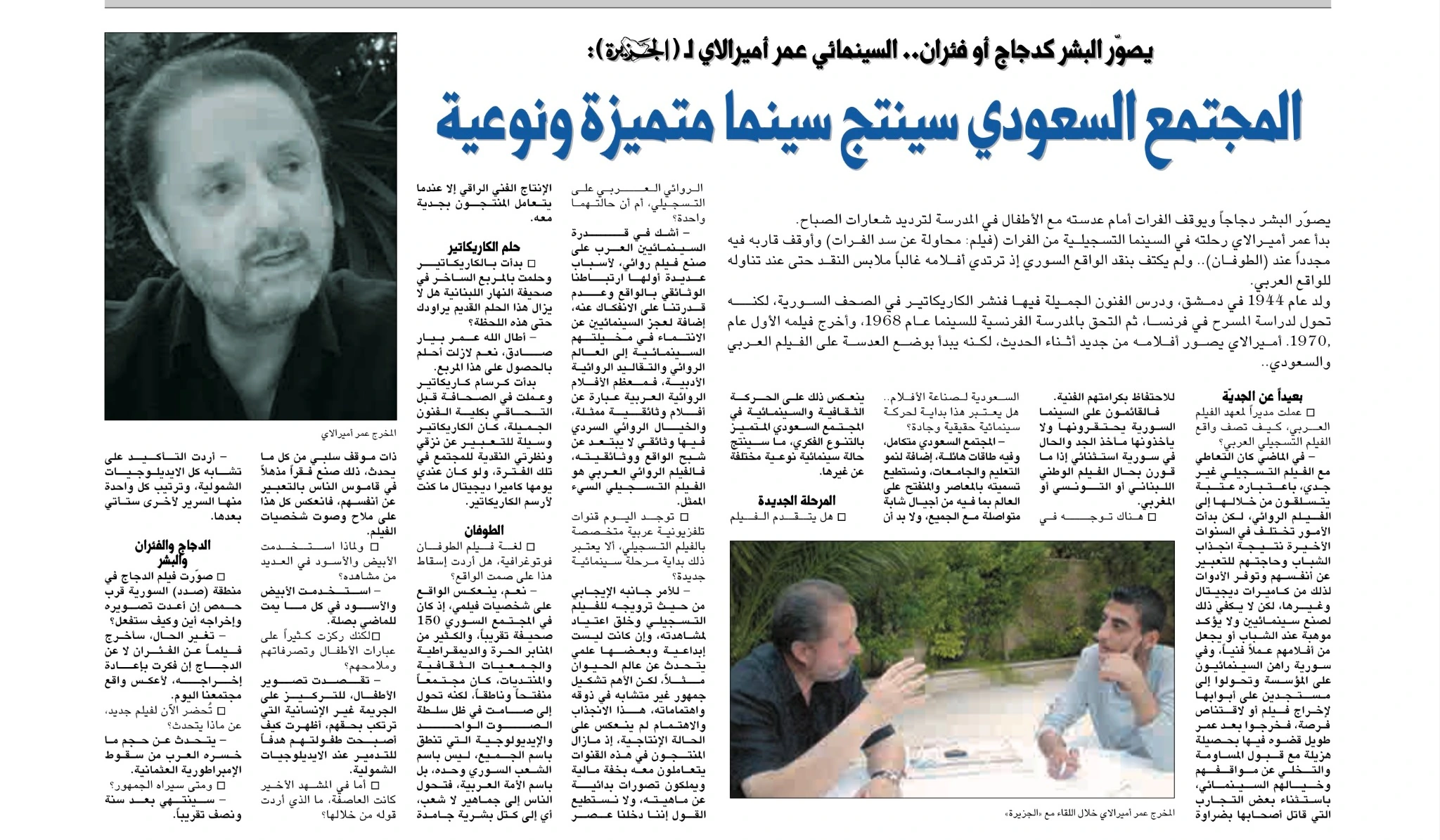
An interview published in Al-Jazirah (Saudi daily) discussed Omar Amiralay’s documentary practice, cinema and Arab social and political realities — one of Matar’s early published works on film and culture.