ISIS Prisons Museum
2017 — Ongoing · Public launch: 11 October 2024This was the first body of work in which the method took shape: beginning with the search for missing people and expanding into an investigation of how detention functioned as part of an entire system of rule.
A virtual museum investigating ISIS detention sites in Syria and Iraq. Field documentation, testimony and internal records are connected through investigations and digital tours.
- Role
- Founder & Director
- Period
- 2017 —
The project is developed collaboratively. Consult each original work for full team credits.
Selected work records
Materials and outputs
The Hisba Diwan: Theory, Structure, Procedures
The institution, its personnel and the route from public surveillance to detention and punishment.
The Hisba Diwan: Relations with Society
How moral policing became an administrative system of control.
The Shaitat Massacre
Documentation of the massacre, the sequence of events, the return and the mass graves.
Rumaila Prison
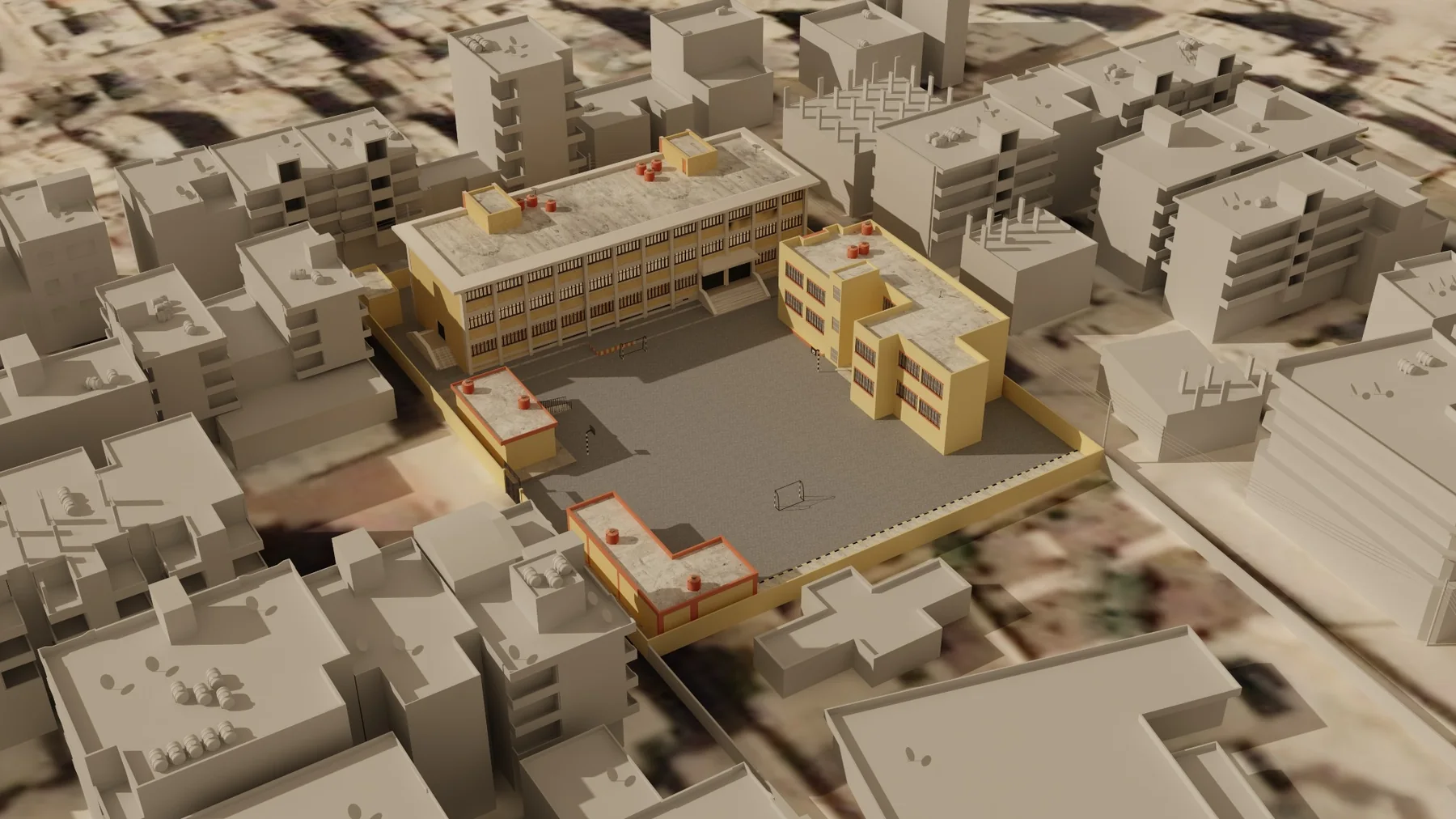
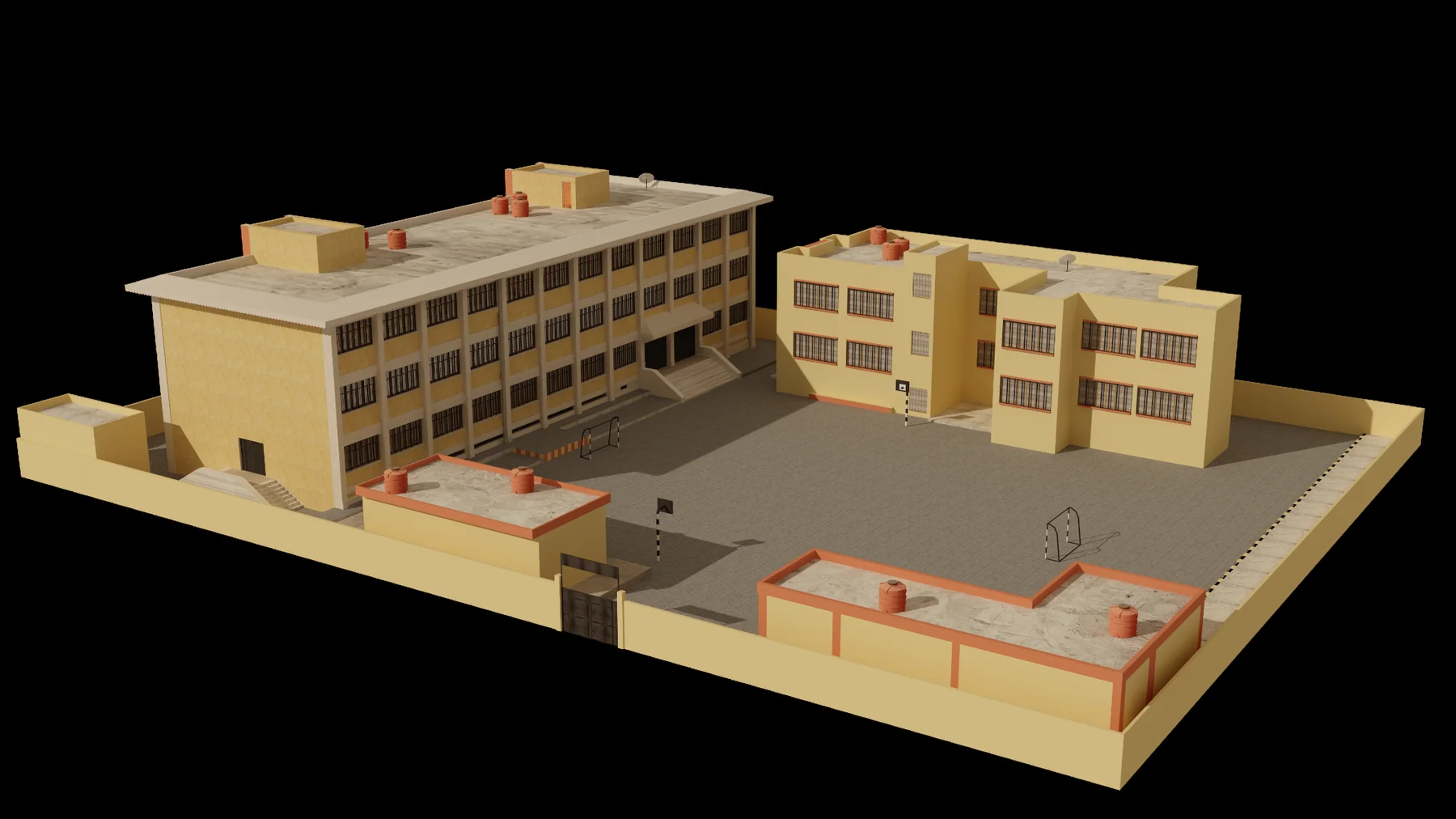
A house seized and converted into a prison, reconstructed through place, testimony and records.

Question and approach
The work began in 2017 while we were searching for colleagues abducted by ISIS in 2013. Many detention sites had no official prison architecture: they were houses, public buildings and other ordinary structures whose previous use could disappear quickly from view. Former detainees and local memory were therefore essential to locating sites and understanding how rooms, routes and functions had changed.
The research archive brings together digital documentation of more than 70,000 ISIS records, hundreds of filmed survivor interviews, documented objects, drone documentation of mass-grave sites, more than 1,000 photographs of writing on prison walls and extensive 3D documentation. No single layer is treated as sufficient on its own.
The digital museum is a way of keeping those relationships visible. A visitor can move through a reconstructed site while reading the records, testimony and chronology connected to it. The aim is not to recreate the experience of imprisonment, but to preserve a spatial and evidentiary record that can continue to be questioned.
Role in the work
Matar initiated this work and leads its investigative and editorial direction. Field documentation, interviews, archival processing, research and digital reconstruction are carried out collectively by specialised teams and in dialogue with survivors and local knowledge.
Visual archive
Detention sites and reconstructions

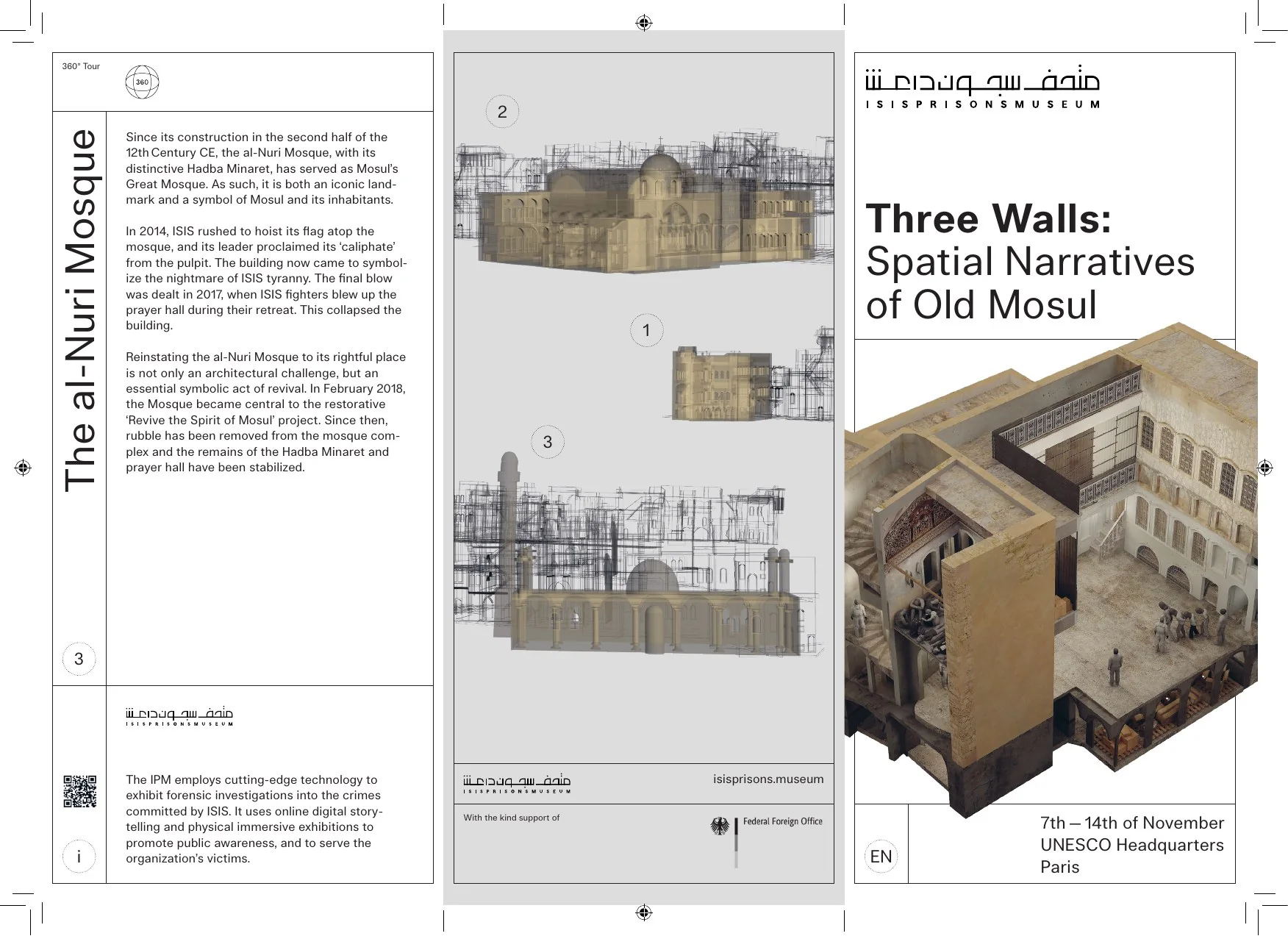
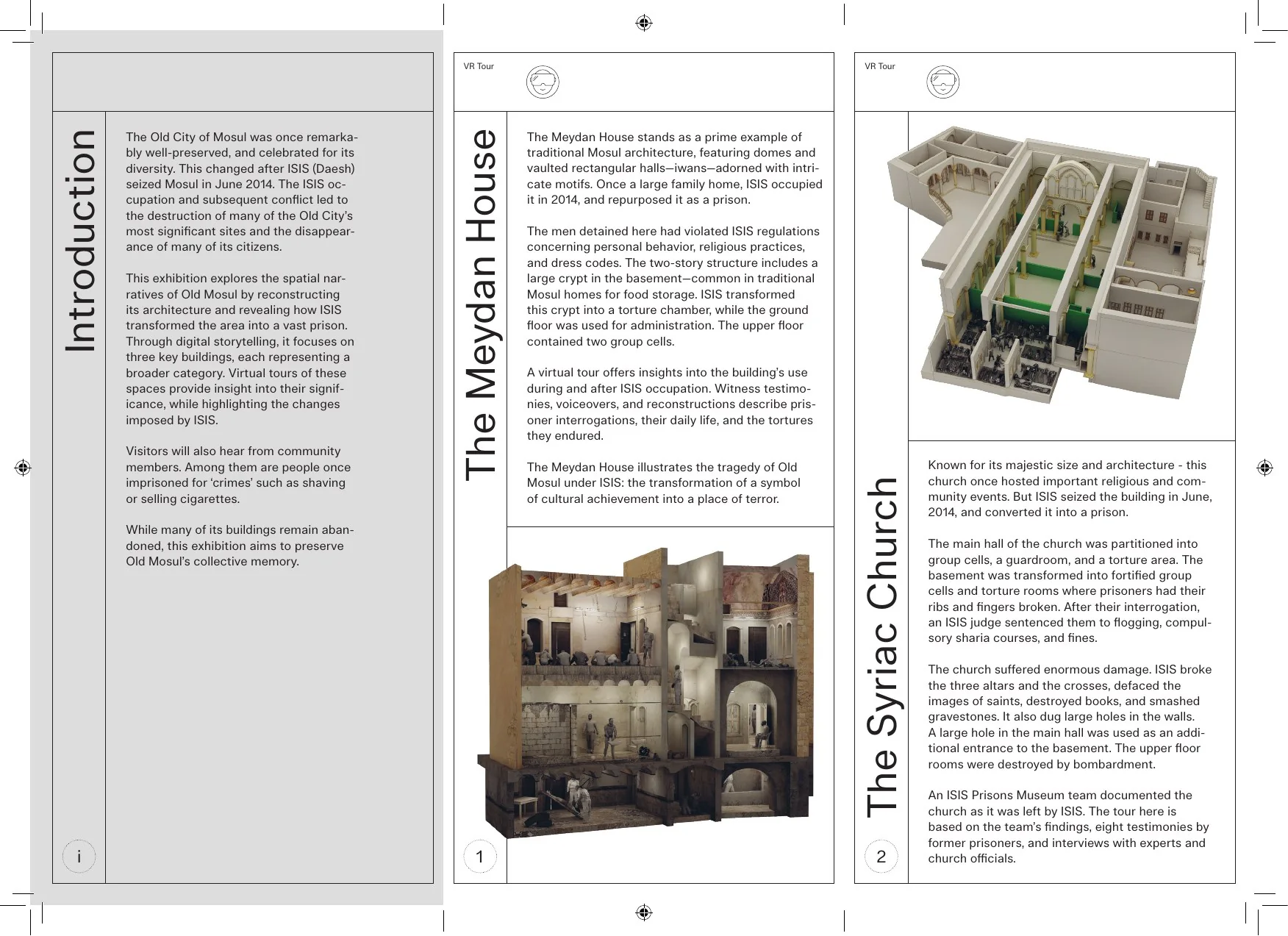
Three Walls — UNESCO Paris
How the detention system is read
Recent related material
The Shaitat Massacre — Deir ez-Zor
A reconstruction of the 2014 massacre, victim data, detention sites and mass-grave locations.
ISIS Prisons Museum
Rumaila Prison — Raqqa
An investigation into a confiscated private home transformed into a prison for men and women.
ISIS Prisons Museum
The Hisba Diwan: Theory, Structure, Procedures
prisons.museum
Three Walls: Spatial Narratives of Old Mosul
Opening 6 November; exhibition 6–15 November 2024.
UNESCO Headquarters · Paris